
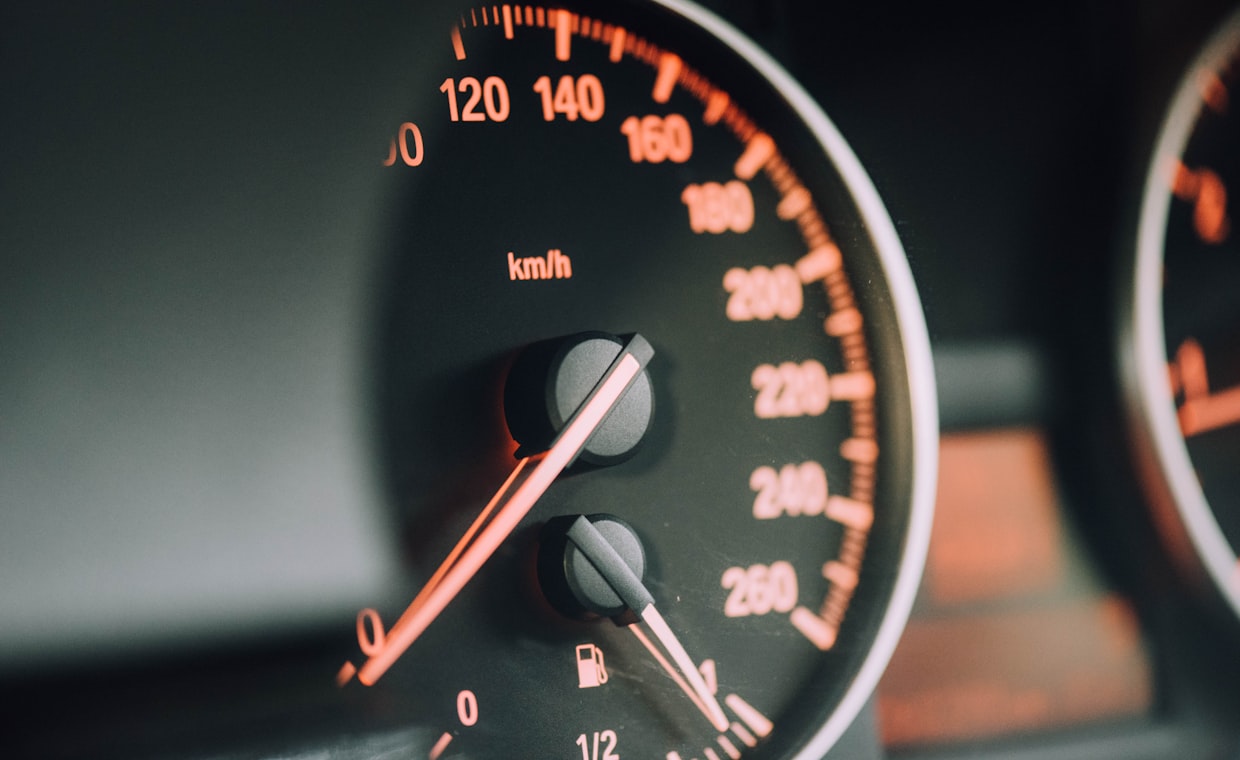
You are halfway to work, coffee in the cup holder, when a little amber engine symbol glows on the dash. Your stomach drops. Is the car about to strand you on the shoulder, or is this something you can safely ignore until the weekend?
Here is the honest answer from someone who has read thousands of these codes: the check engine light is one of the least urgent warnings on your dash roughly 80 percent of the time, and one of the most serious the other 20. The trick is knowing which situation you are in before you panic, and before you shrug it off.
So take a breath. We are going to work through this the same way I would if you rolled into my bay. No jargon, no upsell, just a calm order of operations that tells you whether to keep driving, baby it home, or pull over right now.
What that little symbol actually means
The check engine light (officially the malfunction indicator lamp) is your car saying one of its sensors saw a reading outside the expected range. It is tied to the emissions and engine management system, not to your oil level or your brakes.
That distinction matters. A glowing engine icon is not the same as a red oil-pressure or temperature warning. If you want a full picture of which lights mean "stop now" versus "schedule service," our guide to dashboard warning lights explained sorts them by color and urgency.
The engine light covers a huge range of triggers, from a loose gas cap to a failing catalytic converter. That is exactly why the light alone tells you almost nothing. You need one more piece of information, and getting it is easier than most people think.
is it steady or flashing?
Before anything else, look at how the light behaves. This single detail changes your whole plan.
A steady light means the computer logged a fault, but nothing is actively burning up. You have time. Finish your drive, get home, and deal with it in the next day or two.
A flashing or blinking light is a different animal. It usually means the engine is misfiring badly and dumping raw fuel into the exhaust, which can cook your catalytic converter in minutes. That is a several-hundred-dollar part, sometimes more than a thousand.
three quick checks in the driveway
If the light is steady, there are a few things you can rule out yourself in about five minutes, no tools required.
First, the gas cap. A loose, cracked, or missing cap is one of the most common triggers because it breaks the seal on the fuel system. Tighten it until it clicks a few times, then keep driving. The light may reset itself after a day or two.
Second, listen and feel. Is the engine idling rough, hesitating, or making a new sound? A calm car with a steady light is a very different situation from one that is shaking. If you are hearing something fresh, our rundown of car noises you shouldnt ignore helps you tell a harmless rattle from a real problem.
Third, check your gauges. Temperature climbing toward hot? Oil light flickering? If another warning joins the engine light, treat the whole thing as more urgent and stop driving.
read the code yourself
This is the step that turns guesswork into a plan. An OBD-II scanner plugs into a port under your dash (usually near your left knee) and pulls the exact trouble code the computer stored.
Basic scanners run around $20 to $40, and plenty of phone apps pair with a small Bluetooth dongle for similar money. Many auto parts stores will also read the code for free in their parking lot if you ask.
The code looks like "P0420" or "P0301." Write it down exactly. You can search that code to learn what system it points to, but stay careful: a code tells you where the fault was detected, not always the exact part that failed.
decide your next move
Once you know whether the light is steady or flashing, whether the car feels normal, and ideally what code is stored, you can make a calm decision. Here is how I sort it in my head.
| Situation | What it usually means | What to do |
|---|---|---|
| Steady light, drives normal, gas cap loose | Minor emissions trigger | Tighten cap, drive, recheck in 2 days |
| Steady light, drives normal, no obvious cause | Sensor or minor fault | Scan the code, book service within a week |
| Steady light, rough idle or weak power | Misfire, sensor, or fuel issue | Scan soon, drive gently, service within days |
| Flashing light | Active, damaging misfire | Slow down, stop safely, tow if it continues |
| Engine light plus a red warning | Overheating or oil pressure | Pull over now, do not keep driving |
Common causes and what they tend to cost
People always ask me for a price before I have even seen the car, and I get it. So here is a realistic range for the usual suspects. Treat these as ballpark figures, not quotes, since labor rates and parts vary by region and vehicle.
| Common cause | Typical repair range | Urgency |
|---|---|---|
| Loose or bad gas cap | $0 - $30 | Low |
| Oxygen (O2) sensor | $150 - $400 | Medium |
| Spark plugs or ignition coil | $150 - $500 | Medium to high |
| Mass airflow sensor | $200 - $450 | Medium |
| Catalytic converter | $900 - $2,500 | High |
If you are staring at that catalytic converter number on an older car, that is exactly the moment to slow down and think bigger picture. A repair that costs more than the car is worth changes the math entirely, and our walkthrough on the repair or replace car decision helps you run the numbers without emotion.
When to stop driving right away
Most of the time a steady engine light is a "handle it this week" problem. But a few signs mean you should get off the road and call for help instead of pushing on.
- The light is flashing and the car is shaking or losing power.
- The temperature gauge is climbing toward the red zone.
- You smell something burning, sweet like coolant, or like rotten eggs.
- A red oil or charging light comes on alongside the engine light.
- The car is stalling, surging, or refusing to accelerate.
Amber means "check soon." Red means "stop now." If your engine light turns red, or a red light joins it, treat it as an emergency and get safely off the road.
Can I keep driving with the check engine light on?
If it is steady and the car feels normal, usually yes, for a short while, but get it scanned within a week. If it is flashing, no. Slow down and stop as soon as it is safe, because a bad misfire can wreck expensive parts fast.
Will the light turn off by itself?
Sometimes. If the trigger was something minor like a loose gas cap, the light can clear on its own after several drive cycles once the fault stops repeating. If it is still on after a few days, it needs a proper look.
Is it worth buying my own code reader?
For most drivers, yes. A basic scanner pays for itself the first time it saves you a diagnostic fee, and it turns a scary mystery light into a specific code you can research or hand straight to a mechanic.
A check engine light is a prompt, not a verdict. Nine times out of ten you have time to breathe, run the quick checks, read the code, and make a calm choice instead of a panicked one. Keep a cheap scanner in the glovebox, trust the steady-versus-flashing rule, and these amber surprises start to feel routine, because for you they now are. Drive safe out there, Ray Sandhu.