
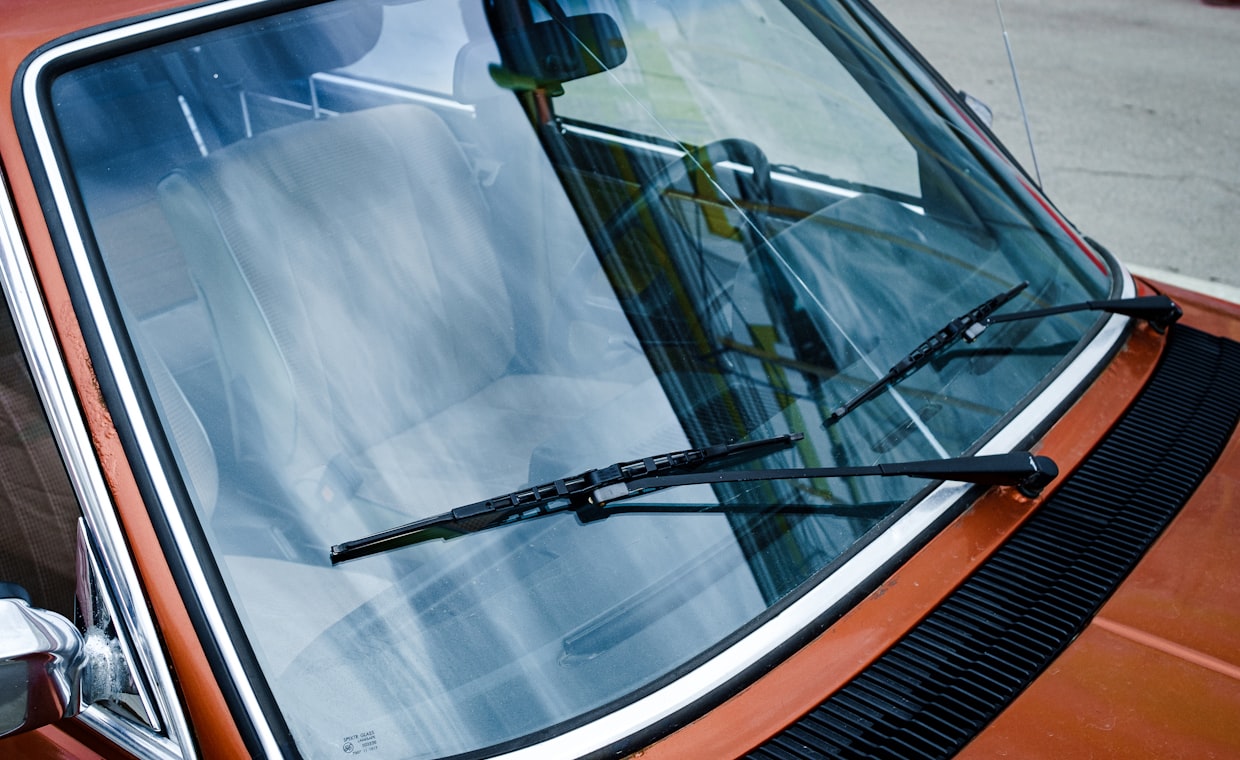
It usually starts on a rainy Tuesday. You flick the wipers on, and instead of a clean sweep you get a smeary arc right across your line of sight, plus a chatter that sounds like a squeegee dragged over dry glass. Oncoming headlights smear into starbursts, and you find yourself leaning forward to see the lane lines.
Here is the good news. Replacing wiper blades is one of the easiest jobs on a car, right up there with topping off washer fluid. Most sets snap on in under five minutes, cost less than a decent lunch, and need zero tools.
I have swapped hundreds of these over the years, and the process is nearly the same across every make. Let me walk you through it.
How to Know Your Wipers Are Done
Wiper rubber is a wear item, same as brake pads or tires. Sun, road grime, and ozone slowly harden the edge until it stops making clean contact with the glass.
Watch for a few tells. Streaking that will not wipe away, a skipping or juddering motion, squeaking on damp glass, or visible cracks and splits along the rubber lip. If the blade leaves a hazy film even after a fresh wash, the edge is glazed over and no amount of cleaning brings it back.
Buy the Right Blades First
Before you touch anything, get the correct size. Your driver and passenger blades are often different lengths, and guessing wrong means a second trip to the parts store.
Two easy ways to find the right fit. Punch your year, make, and model into the size guide at any auto parts counter, or measure each existing blade with a tape from tip to tip. Write both numbers down, because mixing them up is the most common mistake people make.
You will also see three basic styles on the shelf. Here is how they stack up so you can pick without the sales pitch.
| Blade Type | Rough Price (each) | Best For | Notes |
|---|---|---|---|
| Conventional (frame) | $8 - $14 | Older cars, tight budgets | Cheapest, but frame joints can collect ice in winter |
| Beam (flat) | $15 - $28 | Most modern cars, snow country | Even pressure, quiet, sheds ice well |
| Hybrid | $18 - $32 | Drivers who want a mix | Beam performance with a protective shell, longer lasting |
For most people I steer them toward a beam blade. The even pressure across the whole length is what kills streaking, and there are no exposed joints to freeze up when the weather turns.
Step by Step: Swapping the Blades
Park on level ground and turn the car off. Here is the full sequence, start to finish.
- Lift the wiper arm away from the glass until it locks in the upright position. It should stay standing on its own.
- Lay a folded towel on the windshield under the arm. If it snaps back with a bare metal tip, it can crack the glass.
- Look at the connector where the blade meets the arm. Most have a small plastic tab or clip you press.
- Press the tab, then slide the old blade down the arm and off. It may need a firm wiggle, not brute force.
- Line up the new blade the same way, then slide it on until you hear a solid click. Give it a gentle tug to confirm it is locked.
- Lower the arm back to the glass slowly. Never let it slam down.
- Repeat for the second blade, then run the wipers with a little washer fluid to check for clean, quiet strokes.
That click in step five matters. A blade that is not fully seated can fly off at highway speed, so do not skip the tug test.
Hatchbacks, SUVs, and wagons have a rear wiper that gets ignored for years. It uses its own size and often a different clip style, so measure it separately when you are at the counter.
Fixing Streaky Glass When New Blades Do Not Help
Here is the part most people miss. Sometimes you install fresh blades and still get streaks. Nine times out of ten, the problem is the glass, not the rubber.
A windshield builds up an invisible film from exhaust, tree sap, wax overspray, and old rain repellent. New blades just smear that film around. You have to strip the glass clean first.
Grab a clean microfiber towel and a real glass cleaner, or make a paste with a little baking soda and water. Scrub the outside of the windshield in tight circles, then rinse and dry. For a stubborn haze, a clay bar made for auto glass pulls off what regular cleaner leaves behind.
Wipe the blade rubber itself too. Run a damp cloth down each edge and you will be surprised at the grime that comes off. That alone can quiet a squeak.
The Chatter and Squeak Fix
If the wipers judder across the glass, the arm may be bent so the blade meets the windshield at the wrong angle. You can gently twist the arm with pliers to correct the tilt, a little at a time, but go slow because it is easy to overdo.
Squeaking on clean, dry glass usually means the rubber is dragging. A quick spritz of washer fluid before your first wipe solves it. Never run wipers on bone dry glass, since that grinds the edge flat.
How Often to Do This
Wipers do not run on the odometer, so they are easy to forget. I tell folks to eyeball them every oil change and replace them once a year as a default. It fits neatly into the same rhythm as checking fluids and rotating tires.
If you are the type who likes a plan, tuck wiper checks into your maintenance schedule by mileage so they get looked at alongside filters and belts. And when you are already under the hood for an change oil at home session, it costs you nothing to run the wipers and inspect the rubber while the fluid drains.
Is This Ever a Job for the Shop?
Honestly, almost never for the blades themselves. This is squarely in the do-it-yourself column, and paying labor for it is like paying someone to screw in a light bulb.
The exception is the wiper motor or linkage. If the arms stop moving or groan under the cowl, that is a mechanical repair. My guide on diy vs shop car jobs lays out where the line sits between a driveway fix and a shop ticket, and a dead wiper motor usually lands on the shop side.
Why do my brand new wiper blades still streak?
The glass most likely has an invisible film of wax, sap, or old rain repellent. Scrub the windshield with a proper glass cleaner or a baking soda paste, wipe the blade edges clean, and the streaks usually vanish.
How long do windshield wipers last?
Roughly six months to two years depending on your climate. Harsh sun and heavy use wear them fast, while mild weather stretches their life. A yearly swap is a safe default.
Can I replace just the rubber refill instead of the whole blade?
On some blades, yes, and the refills are cheaper. That said, the frame and joints wear too, so unless the blade body is nearly new, replacing the whole unit is simpler and only costs a few dollars more.
None of this needs a lift, a socket set, or a rainy weekend. Buy the right blades, take your time with the click, and give the glass a real scrub while you are at it. Do that once a year, and you will forget what a smeary windshield even looks like. Stay safe out there, and keep that view clear.