
Kofi and Amara are first-time buyers with a spreadsheet and a hard ceiling. They have $25,000 to spend and not a dollar more, a tab labeled "new" and a tab labeled "used," and a habit of talking themselves out of whatever choice they made an hour ago. Every time the math looks settled on one tab, one of them flips to the other and the doubt creeps back in.
That tug-of-war makes sense. The new-versus-used question feels like it should have a clean answer, but it doesn't, because the right call depends on how your brain handles money and risk. Some people lose sleep over a check-engine light. Others lose sleep watching a car they paid sticker price for shed thousands the moment they sign.
So let's frame both paths honestly, put the real costs side by side, and figure out which one actually fits your budget and your temperament.
The case for buying new
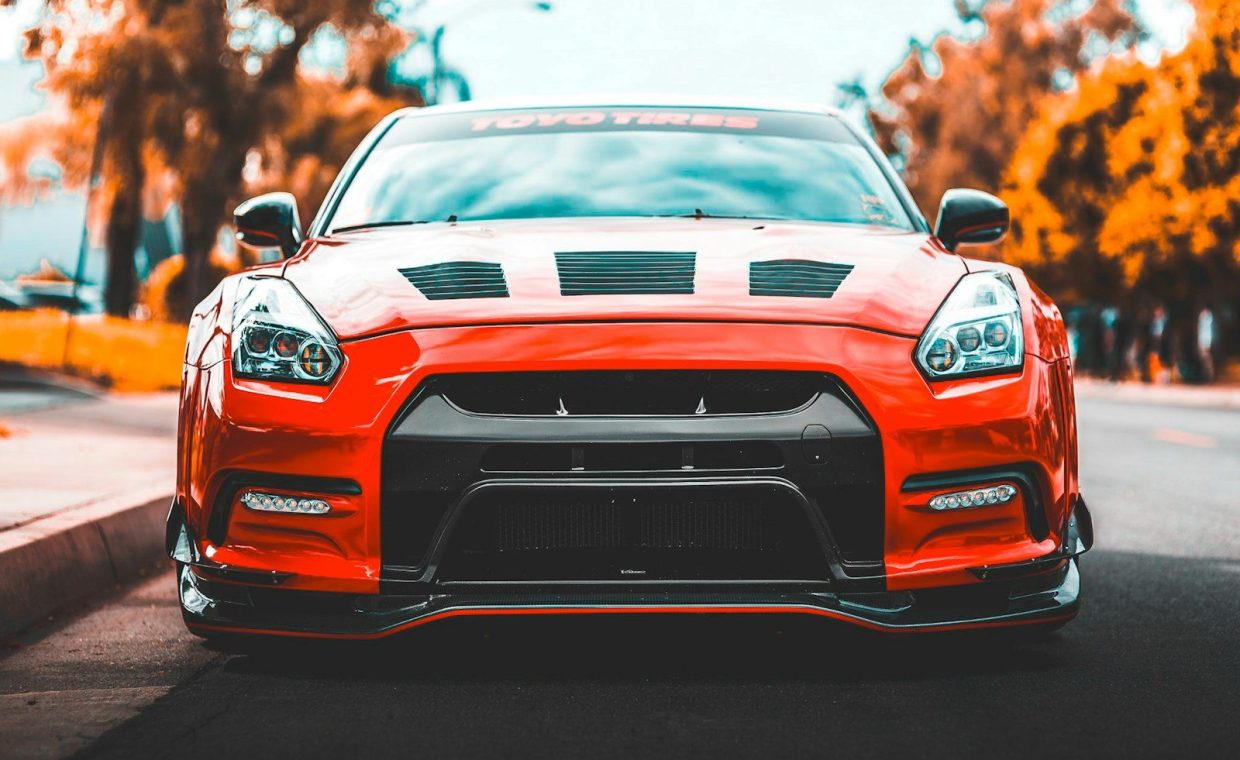
A new car is the simple, low-drama option, and there's nothing wrong with wanting simple. You get a full factory warranty, a clean history with zero question marks, and the newest safety and driver-assist tech that the model offers.
You also get predictability. For the first few years, your only real costs are the loan payment, insurance, fuel, and routine maintenance. No surprise transmission. No mystery rattle that three shops can't pin down.
The catch is depreciation, and it's brutal. A typical new car loses a big chunk of its value in the first year, often around 20 percent, and roughly half its value over five years. That loss is real money even if you never feel it until you go to sell or trade.
Drive a $35,000 car off the lot and it might be worth around $28,000 by the time you get home. You didn't damage anything. The market just repriced it as "used" the second the title changed hands.
The case for buying used
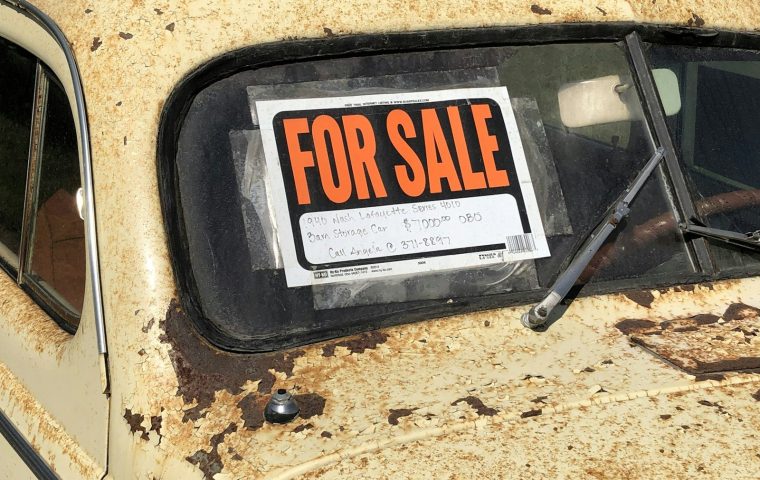
Used is where your dollar stretches furthest, and it's the path I usually nudge budget-focused shoppers toward. The first owner already ate the steepest depreciation, so a two to three year old car can deliver most of a new car's life for a fraction of the cost.
Buy a three-year-old version of that same $35,000 car and you might pay around $22,000 for something with plenty of good years left. You skipped the worst of the value drop and still get a modern, reliable vehicle.
The trade-off is uncertainty. You're inheriting someone else's ownership, which means you need to do homework the new-car buyer skips. A short hour spent learning how to read a vehicle history report can flag an odometer rollback or a hidden accident long before you hand over a deposit. That's not a dealbreaker. It's just a job, and a manageable one.
Always pull a vehicle history report and learn how to read a vehicle history report properly, line by line. A clean title, consistent mileage, and no odometer rollback flags are worth more than any salesperson's reassurance.
Certified pre-owned: the middle lane
If brand-new feels wasteful but plain used feels risky, certified pre-owned (CPO) sits right between them. These are used cars, usually low-mileage and recent, that a manufacturer inspects, reconditions, and backs with an extended warranty.
You pay more than for a comparable non-certified used car, sometimes a couple thousand more. In exchange you get warranty coverage that softens the biggest fear about going used: an expensive failure landing in your lap.
For a lot of nervous budget shoppers, CPO is the sweet spot. You dodge the harshest depreciation while keeping a safety net under your wallet.
Putting the real costs side by side
Sticker price is only one line in the story. Insurance, financing rates, maintenance, and depreciation all shift depending on which lane you choose. Here's how the three paths generally stack up.
| Factor | New | Used (3-5 yrs) | Certified Pre-Owned |
|---|---|---|---|
| Upfront price | Highest | Lowest | Middle |
| First-year depreciation | Steepest hit | Already absorbed | Mostly absorbed |
| Warranty | Full factory | Often none | Extended coverage |
| Loan interest rate | Lowest | Highest | Middle |
| Insurance cost | Higher | Lower | Higher |
| Repair surprises | Very few | Possible | Few |
| Peace of mind | High | Depends on homework | High |
Notice the financing line. Lenders usually charge less interest on new cars, so a cheaper used car can quietly cost more per dollar borrowed. Run the numbers on the actual monthly payment, not just the sticker.
Which path wins for whom
There's no single winner here, so match the car to your situation instead of chasing a "right answer."
Buy new if
You plan to keep the car eight to ten years or longer, which spreads that depreciation over a long ownership and makes it sting less. You value zero-surprise reliability and you'd rather pay a premium than ever deal with a roadside breakdown.
You also qualify for a strong loan rate, sometimes even zero percent promotional financing, which tilts the math back in new's favor.
Buy used if
Your budget is tight and every dollar matters, which is most of us. Letting someone else absorb the first-year drop is the single most efficient money move in car buying. If this is your very first purchase, it helps to walk through how to pick a first car that's cheap to insure and repair before you fall for anything shiny.
Go certified pre-owned if
You want used-car savings but a check-engine light would genuinely ruin your week. CPO buys you sleep, and for a lot of people that's worth the premium.
Whichever path you pick, the price on the windshield is rarely the price you pay. Walk in ready to push back on hidden dealership fees, the doc fees, "market adjustments," and bundled add-ons that can inflate a deal by thousands. These show up on new and used cars alike.
A simple way to decide
Start with your real budget, not the maximum a lender will approve. Decide how long you honestly plan to keep the car, because that single number reshapes the entire depreciation math.
Then be honest about your risk tolerance. If a surprise repair bill would derail your finances, lean toward new or CPO. If you've got a small cushion and a trusted mechanic, used is almost always the smarter spend.
Kofi and Amara, by the way, landed on a two-year-old sedan with low miles and a clean report. They stayed about $9,000 under their $25,000 ceiling, kept a cushion intact, and slept fine. Both tabs of the spreadsheet finally agreed with each other.
New wins on peace of mind and long-haul ownership. Used wins on raw value for budget shoppers. CPO splits the difference. Match the choice to how long you'll keep the car and how much risk you can stomach.
Is buying used always cheaper than buying new?
Usually on price, but not always on total cost. Used cars often carry higher loan rates and may need repairs sooner, so run the full monthly cost including interest and likely maintenance before you decide.
How old should a used car be for the best value?
The sweet spot is generally two to four years old. The first owner has absorbed the steepest depreciation, but the car still has most of its useful life and often some factory warranty left.
Is certified pre-owned worth the extra money?
If a surprise repair would seriously hurt your budget, yes. The extended warranty and manufacturer inspection give you used-car pricing with a lot of the new-car peace of mind, which many shoppers happily pay for.
There's no trophy for picking the "correct" path here, only the one that fits your money and your nerves. Figure out how long you'll keep the car, how much risk lets you sleep, and let those two answers point the way. Happy hunting, and drive home with a deal you actually feel good about.