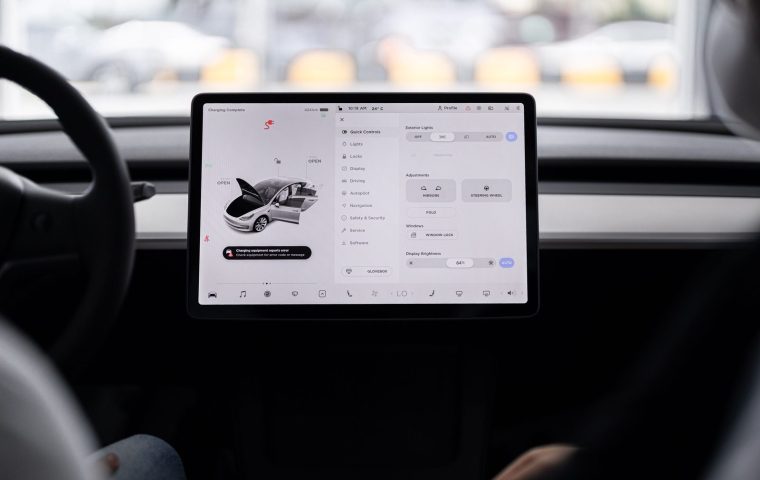

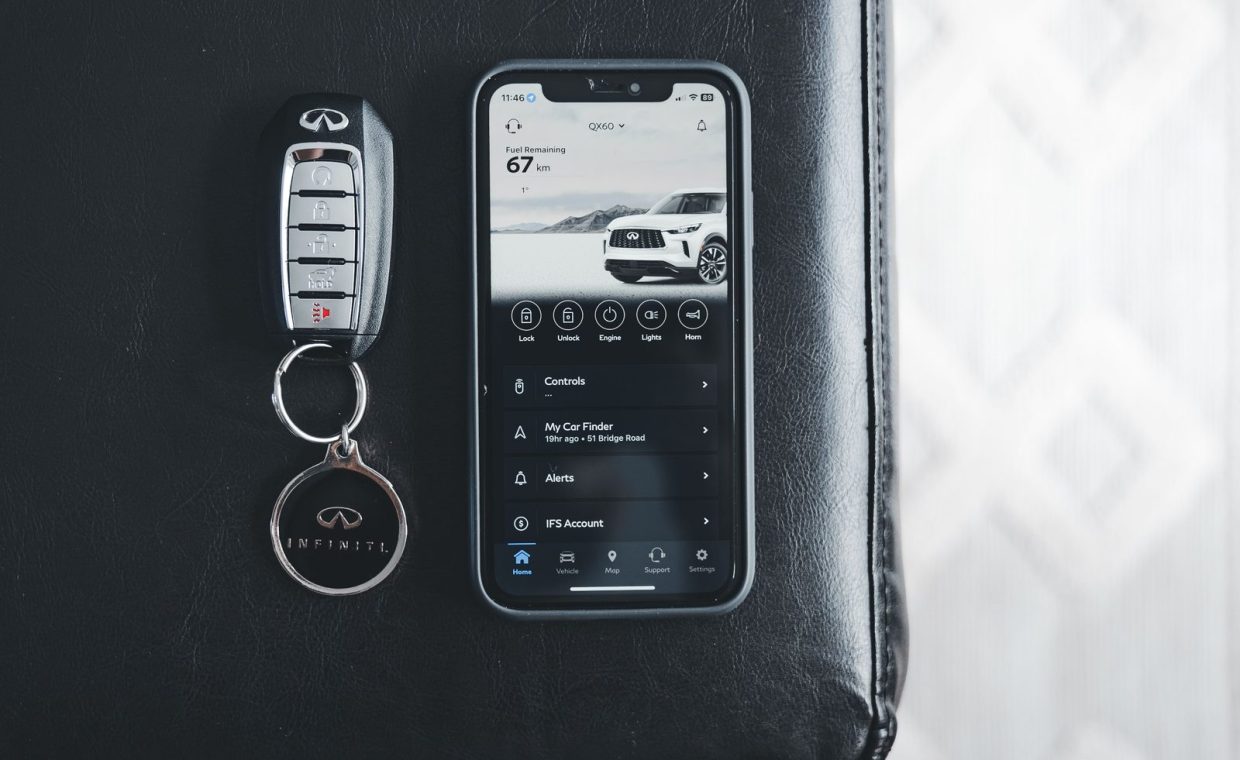
There is an app for that, and lately the pitch goes like this. Tap a button from your kitchen, and the car waiting in the driveway wakes up, chirps, and starts cooling itself so the cabin is comfortable before you ever reach for the door handle. It feels like the future, right up until the free trial lapses and the same button asks for a credit card. That gap between the demo and the invoice is where the real connected-car question lives.
So which of these features actually earn their keep, and which are just theater dressed up as innovation? Some of this tech genuinely makes ownership smoother. Some of it is a clever way to charge you twice for hardware you already bought. Let me walk through the big ones, what they actually do, and where the marketing gets ahead of reality.
Remote Start and Climate Preconditioning
Start with the feature most people touch first, because it is the one that sells the whole idea. Remote start lets you fire up the engine, or in an EV, the climate system, from your phone before you leave the house. On a brutal January morning, walking out to a defrosted windshield and a warm seat is a small daily luxury that never gets old.
For electric cars this matters even more than it does for gas ones. Preconditioning the battery and cabin while the car is still plugged in means you spend grid power instead of range. That ties into one of the common myths people believe about electric cars, that cold weather always wrecks your usable miles. It hurts, sure, but warming up on shore power softens the blow a lot.
The myth to dispel here is that the convenience requires a subscription. It does not. The radio waves and the starter were paid for in the purchase price. Plenty of brands include this free, and some let you trigger it with the key fob and zero monthly cost. If a salesperson frames remote start as a premium connected service, push back.
Most connected packages bundle a free trial of 1-3 years. Note the exact expiration date when you buy, because the renewal price often jumps once you are already attached to the feature.
Remote Lock, Locate, and Vehicle Status
This bundle is the quiet workhorse of connected apps. Open your phone in the morning, glance at the screen, and you can see fuel or charge level, tire pressure, whether you left a door unlocked, and where you parked at the airport last Tuesday.
Here is a concrete example of why it earns its keep. I once walked halfway across a stadium lot in the dark, second-guessing whether I had locked up. Instead of trudging back, I opened the app, saw the doors were secure, and kept walking. That is a genuinely useful thirty seconds saved and a worry erased.
The myth is that you need this to feel safe. You do not. A car with good old-fashioned auto-locking does the same job for free. Treat remote status as a nice convenience layer, not a security necessity. It is pleasant, but it is not the reason to pick one car over another.
In-Car Navigation and Live Traffic
Built-in navigation used to be a flagship feature. Now it competes with the free, constantly updated maps in your pocket, and that changes the math entirely. Embedded nav often relies on a data connection that, you guessed it, comes with a subscription once the trial ends.
My honest take is that most drivers are better served by mirroring their phone. If you can run Apple CarPlay or Android Auto on the dash, you get the same live traffic and lane guidance you already trust, with no extra monthly fee. The maps update themselves, and your favorite routing app comes along for the ride.
Where embedded nav still pulls ahead is integration with the car itself. An EV that routes you through chargers and preconditions the battery before you arrive is doing something your phone cannot. That kind of native planning is worth paying attention to, especially on a long road trip.
During a test drive, plug in your phone and see how cleanly CarPlay or Android Auto runs. If the wired or wireless connection is flaky, the car's own nav subscription suddenly looks more appealing.
Wi-Fi Hotspots and Streaming Subscriptions
Many new cars now sell a built-in Wi-Fi hotspot and in-dash streaming apps. The pitch sounds modern. The reality is that you are usually renting cellular data at a markup, on top of the phone plan you already pay for.
A concrete scenario: a family road trip where the kids want video in the back seat. A car hotspot can absolutely handle that. So can a $10 add-on to your existing phone plan, or simply tethering to the phone in your pocket. The car version is convenient, not magic.
The myth worth puncturing is that an onboard hotspot is more reliable than your phone. It runs on the same cellular networks. If you have one bar on your handset, the car has one bar too. Pay for it only if you genuinely hate tethering and use data heavily on the move.
Over-the-Air Updates and Feature Unlocks
Over-the-air updates, or OTA, are one of the better things to come out of the connected-car era. Your car can patch bugs, sharpen the infotainment, and sometimes improve range or charging behavior overnight, the same way your phone does. That is real value, delivered without a service appointment.
The murkier cousin is the paid feature unlock. Some automakers ship cars with hardware already installed, then charge a monthly fee to switch it on. Heated seats behind a subscription is the example that made people furious, and rightly so. You are paying rent on a coil of wire that is already bolted under your cushion.
If the hardware is in the car and you paid for the car, a recurring fee to flip a software switch deserves real skepticism.
My rule is simple. Updates that make the car you bought better are a plus. Subscriptions that gate hardware you already own are the part of this trend worth resisting with your wallet.
Connected Safety and Driver-Assist Services
Then there is the safety tier: automatic crash notification, stolen-vehicle tracking, and roadside assistance dispatched through the car. If you roll your car in a remote area and it calls for help on its own, that is not hype. That is the kind of feature you hope to never use and are grateful exists.
Just keep the categories straight in your head. These connected services are different from the sensors and cameras that actually steer and brake, which I break down in our piece on how ADAS and driver-assist systems work. The hardware safety net is baked into the car. The connected layer is the part that phones home after something happens.
The myth here is that losing the subscription makes your car unsafe. It does not. Your airbags, your automatic braking, your lane keeping all keep working. What you lose is the automatic call for help, which is valuable but is not the same as the car itself protecting you.
So What Is Actually Worth Paying For?
Let me put the whole field on one table, sorted the way I would weigh it as a buyer rather than as a marketer.
| Feature | Useful or hype | Worth a subscription? |
|---|---|---|
| Remote start / preconditioning | Genuinely useful | Only if not already free |
| Remote lock and status | Nice to have | Rarely worth a fee |
| Embedded navigation | Mixed | Mainly for EV route planning |
| Wi-Fi hotspot | Mostly hype | Only for heavy mobile data use |
| OTA software updates | Genuinely useful | Should be free |
| Paid hardware unlocks | Hype, and a bit insulting | Resist on principle |
| Connected safety / SOS | Quietly valuable | Often worth keeping |
Before paying any connected-car fee, ask whether the hardware is already in the car. If it is, you are renting something you bought. That single question filters out most of the hype.
Will my car stop working if I let the connected subscription lapse?
No. The car drives, brakes, and steers exactly as before. You lose convenience features like remote start through the app and automatic crash notification, but the vehicle itself is fully functional.
Can I just use my phone instead of paying for in-car features?
For navigation, music, and data, usually yes. CarPlay and Android Auto cover most of it for free. The exceptions are deep vehicle integration, like EV charge-stop routing and automatic emergency calling, which a phone cannot replicate.
Are paid feature unlocks like subscription heated seats worth it?
Generally no, if the hardware ships installed. A monthly fee to activate equipment you already paid for is the least defensible part of the connected-car model. A one-time unlock is easier to stomach than an endless rental.
Connected features can make a good car easier to live with, and a few of them I would genuinely miss. The trick is separating the stuff that adds real convenience from the stuff that exists to keep billing you. Ask what the hardware already does, note when the trials expire, and pay only for the handful of features you will actually use on a normal Tuesday. Read the fine print before the trial ends, and let the answer to that one hardware question decide where your money goes.