
The Reyes family lives in a three-bedroom house outside Sacramento, with a teenage daughter who plays travel soccer and a dad, Desmond, who commutes about 34 miles each way to a warehouse job. For years their daily driver was a 2016 Ford Explorer that averaged around 19 mpg in the real world, which meant they were filling up roughly twice a week.
When I sat down with Desmond, the first thing he showed me was a screenshot of his old gas spending. Some months it crept past $400. He was not chasing some green ideal. He just got tired of watching that number climb every time the price at the corner station ticked up.
So in early 2024 they traded the Explorer for a used 2022 electric crossover with about 250 miles of range. Here is what actually happened to their money, their routine, and their nerves over the first year.
The Old Math: What an SUV Was Really Costing Them
Before we talk savings, you need a clean baseline. Desmond drove about 1,400 miles a month between the commute and weekend soccer runs. At 19 mpg, that is roughly 74 gallons.
With gas hovering around $4.80 a gallon in their area, his monthly fuel bill landed near $355 on an average month, and higher when prices spiked. That is the number we were trying to beat.
I always tell people to calculate their own cost per mile before shopping. Desmond was paying about 25 cents a mile just to move the Explorer down the road, before insurance, tires, or a single oil change.
Pull six months of fuel receipts or app history, add the gallons, and divide your total dollars by miles driven. That cost-per-mile figure is the honest yardstick for any EV comparison.
The First Electric Bill Surprise
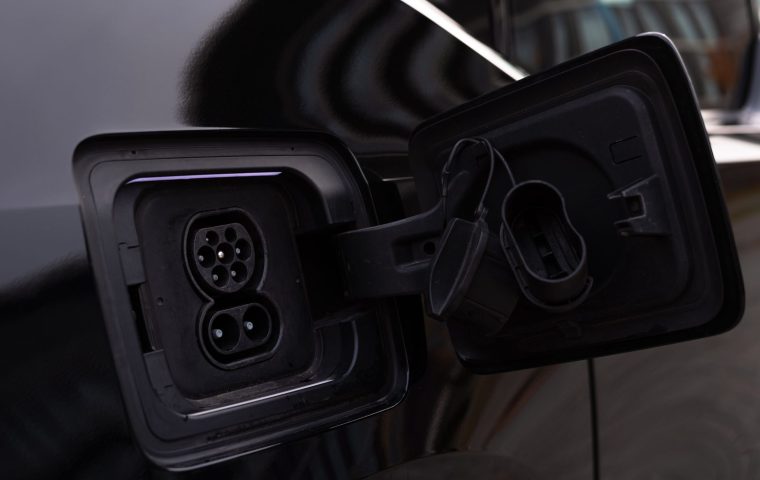
The Reyes family charges almost entirely at home on a Level 2 wall unit they had installed for about $1,100 including the electrician. Their utility offers a cheaper overnight rate, so Desmond set the car to start charging at 11 p.m.
At their off-peak rate of roughly 16 cents per kilowatt-hour, and with the crossover using about 30 kWh per 100 miles, his 1,400 monthly miles cost close to $67 in electricity. Compare that to $355 in gas.
That is the core of the story right there. The fuel line on their budget dropped by a little over half, and in some months it was closer to 80 percent because they no longer paid the worst gas spikes.
| Cost item | Old SUV (gas) | New EV (home charging) |
|---|---|---|
| Monthly miles | 1,400 | 1,400 |
| Energy used | ~74 gallons | ~420 kWh |
| Rate | ~$4.80/gal | ~$0.16/kWh |
| Monthly fuel cost | ~$355 | ~$67 |
| Cost per mile | ~$0.25 | ~$0.05 |
Charging Was the Part That Scared Them Most
Desmond admitted he lost sleep over charging before the purchase. The fear was the classic one. What if he got stranded? In practice, the home wall unit made 90 percent of that worry evaporate within two weeks.
He plugs in at night the way the rest of us plug in a phone. Most mornings the car sits at 80 percent, which is plenty for the round-trip commute with a comfortable buffer.
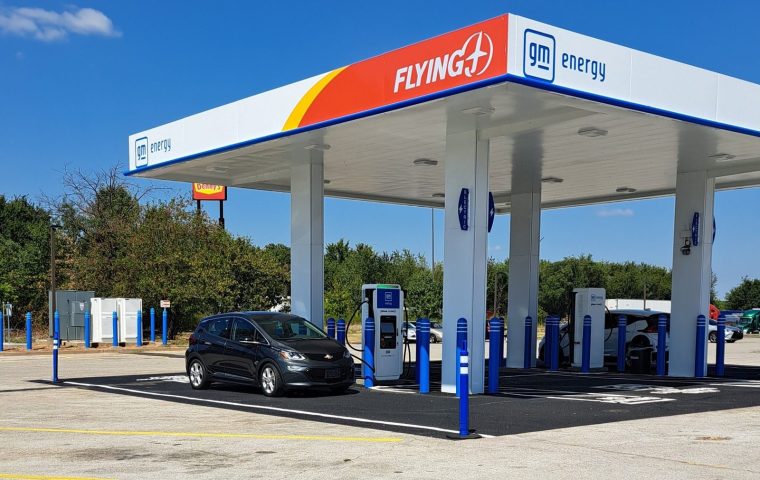
The longer soccer tournaments were the real test. For those, he learned to lean on public fast chargers, and reading up on how DC fast charging actually works changed how he planned. He stopped treating every station the same and started picking the ones that could add real range during a lunch break.
Fast charging slows dramatically once the battery passes roughly 80 percent. On road trips, unplug around that mark and drive to the next stop instead of waiting for a full charge. You will save more time than you think.
The Surprises Nobody Warned Them About
Two things caught the family off guard, and both are worth flagging for anyone considering the switch.
Winter range took a bite
Their region does not get brutally cold, but on the handful of near-freezing mornings, range dropped noticeably while the cabin and battery warmed up. It was never a crisis for them because they charge at home, but it would matter more for someone relying on public charging.
I pointed Desmond to a piece about one driver getting through a cold winter without a home charger, and it reframed how lucky he was to have that garage outlet. If you cannot charge at home, the cold-weather math gets harder and you need to plan for it.
The garage tech rabbit hole
Going electric nudged Desmond into upgrading other gear too. He added a dash cam during the same month, which paid off when a parking-lot fender bump turned into a dispute. He later told me the footage from that dash cam that saved an insurance claim was the best $90 he spent all year, EV or not.
What the Savings Actually Bought Back
Over the first full year, the Reyes family spent roughly $800 on home electricity for the car versus the $4,200 or so they would have burned in gasoline. That is a gap of about $3,400.
Some of that went toward the home charger install, so the true first-year saving was closer to $2,300 net. Every year after that, with the charger already paid for, the full gap returns.
Desmond also noticed smaller wins. No oil changes, fewer brake jobs because regenerative braking does most of the slowing, and no more standing at a pump in the rain. Those are not line items on a spreadsheet, but they are the kind of thing that makes a car easier to live with.
This math only works because the Reyes family charges at home on an off-peak rate. Households that rely heavily on public DC fast charging can pay two or three times more per mile, sometimes erasing the gas savings entirely. Know your charging reality before you buy.
Would This Work for Your Household?
The honest answer is that it depends on three things, in this order. Can you charge at home or at work? Do you drive enough miles for the savings to matter? And does your local electricity rate stay reasonable?
Desmond checked all three boxes, which is why his story worked so cleanly. A low-mileage driver with no home outlet and an expensive utility might see far thinner savings, and that is a fair reason to wait.
What I appreciate about their experience is how unglamorous it is. They did not become hypermiling hobbyists. They just bought a tool that did the same job for less, and then mostly forgot about it.
The Reyes family cut their monthly fuel spend from about $355 to about $67 by charging at home on an off-peak rate. Their cost per mile fell from roughly 25 cents to 5 cents. Home charging did the heavy lifting, winter trimmed range on cold mornings, fast charging mattered most for long soccer trips, and the net first-year saving landed near $2,300 after the charger install paid for itself.
How much did the home charger cost to install?
For the Reyes family it ran about $1,100 total, including the Level 2 wall unit and a licensed electrician. Costs vary widely depending on how far your panel sits from the garage and whether you need a panel upgrade, so get two or three quotes before committing.
Does cold weather really cut EV range that much?
On near-freezing mornings the Reyes crossover lost noticeable range while it warmed up, often 15 to 25 percent until the cabin and battery reached temperature. For home chargers it is a minor annoyance. For drivers relying on public charging in a real winter, it is a planning factor you cannot ignore.
Is an EV still cheaper if you charge in public a lot?
Often not by much. Public DC fast charging can cost two to three times the price of home electricity per mile, which is why the big savings here came from charging in the garage. If you cannot charge at home, run your own per-mile numbers carefully before assuming you will save.
The Reyes story is not magic, and it is not a promise that every driver will halve their fuel bill. It is one household that ran the numbers, charged at home, and let the savings quietly stack up over a year. If your driving and your driveway look anything like theirs, the math is worth a serious look. Drive smart out there.