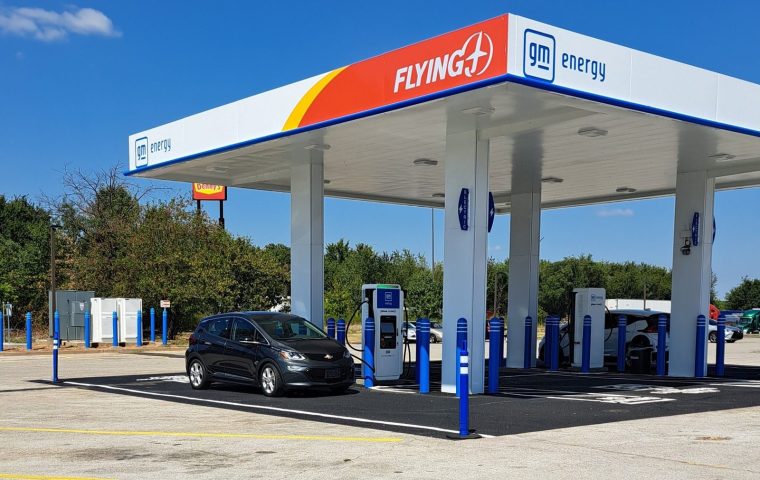

The first real test came on a Tuesday in January, 17 degrees out, when Noor pulled into a grocery store charger with 11 percent left on her used 2021 Bolt and watched the screen crawl from 11 to 14 percent over what felt like an eternity. She had moved into a third-floor walk-up six weeks earlier, no garage, no driveway, no outlet within a hundred feet of where she parked. She bought the EV anyway, partly on faith, partly because the lease payment was lower than the gas crossover she almost signed for.
This is her account of one winter, December through March, living the apartment-renter version of EV ownership. No home charger. Just a phone full of charging apps and a lot of trial and error.
The plan she started with (and where it cracked)
Noor's plan looked tidy on paper. There was a Level 2 charger at her office garage, free for employees, and three DC fast chargers within a 10-minute drive of her apartment. She figured she would top up at work and fast-charge on weekends. Simple.
The crack showed up fast. Her office let her work from home three days a week, which she loved, but it meant the "free L2 at work" leg of the plan only happened twice a week. Suddenly the fast chargers were not a backup. They were the main event.
That changed the math completely. Level 2 charging at home costs pennies. Public fast charging, especially in winter, does not.
What the cold actually did to her range
The Bolt is rated around 259 miles. Noor never saw that number once between December and March. On a 20-degree morning the guess-o-meter would wake up showing 150, sometimes 140 if she had parked outside overnight and the battery was stone cold.
Two things were eating her range. The heater pulled real power, and a cold battery simply holds and delivers less. She learned to preheat the cabin while still plugged in at the office, which meant the heat came from the grid instead of her pack. That one habit bought back roughly 15-20 miles of usable range on the worst days.
The bigger surprise was charging speed. A cold battery does not just go fewer miles. It accepts a charge slowly. A fast charger that should have pushed her from 20 to 80 percent in about 40 minutes was taking 65-70 minutes when the pack was frozen, because the car was protecting itself.
In winter, public-only owners pay twice: fewer miles per charge AND slower charging sessions. Preconditioning the battery before a fast charge (some cars let you trigger it by routing to the charger in the nav) is the single biggest fix, but the Bolt of that era could not do it, so Noor planned around longer sessions instead.
The money, with real receipts
Here is where renters need to pay attention, because the per-mile cost of public charging is the part nobody warns you about.
Her cheapest electrons came from the office L2: free, roughly two sessions a week, call it 120-140 miles of "free" driving. Everything else came from DC fast chargers at 43 to 56 cents per kWh depending on the network and time of day.
A typical winter fast-charge session for her ran about 40 kWh added (going from low teens up to around 80 percent). At 48 cents, that is roughly 19 dollars a session, and in the deep-cold weeks she was doing two of those per week. So some weeks she spent close to 38 dollars on fast charging, plus the free office top-ups.
Over the four winter months she averaged about 95 dollars a month on public charging. Her old gas crossover, driven the same miles, would have run about 130 a month. So she saved money, but nowhere near the "it costs a few bucks to fill up at home" figure that EV evangelists love to quote. That figure assumes a home charger she did not have.
Before buying, find the actual price per kWh at the two or three public chargers nearest your home and divide by your car's miles-per-kWh (the Bolt does about 3.5 to 4 in mild weather, closer to 2.5 to 3 in deep cold). That gives you a true winter cost per mile. Do not budget off the home-charging fantasy if you rent and cannot install one.
The night it almost went wrong
Mid-February, a Friday. Noor drove 50 minutes to a friend's place two towns over, sitting at 38 percent when she arrived and figuring she would charge on the way home. Both fast chargers she had bookmarked on that route were down. One showed a payment error on the screen, the other had two stalls and both were occupied with a line forming.
She sat in that line for 35 minutes in the dark, heater off to save juice, watching her percentage and doing nervous arithmetic. When she finally plugged in she was at 12 percent, which on a frozen battery is closer to the edge than the number suggests.
That was the night she stopped trusting any single charger. She started treating chargers like gas stations in a road-trip movie: assume one in three is broken, occupied, or slow, and always know where the next one is. A lot of new owners blame the car for these moments, but most of it traces back to charger reliability and planning, which is one of those EV myths worth separating from reality before you sign anything.
The routine that finally worked
By March, Noor had a rhythm. She charged on a schedule instead of on panic. The trigger was simple: never let it drop below 20 percent in winter, and never leave for a trip over 40 miles without a plan B charger saved.
She also stopped chasing 100 percent. Fast charging slows way down past 80 percent anyway, so sitting there to squeeze out the last 20 was wasting both time and money. She would unplug at 80 and move on, which kept sessions to a brisk 30-40 minutes.
A few smaller habits added up. She kept the car at a moderate state of charge rather than running it to empty and back to full constantly, partly for convenience and partly because those gentle habits are central to keeping an EV battery healthy over the long term. And she learned to use the car's own screen carefully in the cold, since jabbing at a frozen, laggy touchscreen with gloves is exactly how people end up making the kind of mistakes that wreck touchscreens and cameras.
What she would tell another renter
Noor does not regret it. She would do it again, with eyes open. But she is honest that the no-home-charger version of EV life asks more of you than the suburban-garage version, and winter is where that gap is widest.
The car was never the problem. The infrastructure and her own planning were. Once she treated charging as a managed habit instead of an afterthought, the stress dropped to almost nothing by spring.
Public-only EV ownership is workable, but a single reliable charging source you control is worth a lot. If your building has any path to a Level 2 outlet, even a shared one you split with neighbors, fight for it. Pure DC-fast-charging life is doable, but it is the most expensive and most fragile way to own an EV.
Cold cuts real-world range by 30-40 percent and slows fast charging, so plan for both. Public fast charging cost her about 95 dollars a month, far above the home-charging fairy tale but still under gas. Preconditioning and topping up at any free Level 2 saved the most money. Never drop below 20 percent in winter, always have a backup charger saved, and unplug at 80 percent to keep sessions short.
Can you really own an EV with no home charger?
Yes, and plenty of renters do. It takes more planning than garage charging, and it costs more per mile because public fast charging is pricier than home electricity. If you have access to any free or cheap Level 2 charger (at work, at the gym, in a shared lot), the experience gets dramatically easier and cheaper.
How much does winter actually reduce EV range?
In real cold, expect a 30-40 percent drop from the rated number once you factor in the heater and a cold battery. A car rated for 259 miles might show 140-160 on a frigid morning. Preheating the cabin while plugged in and preconditioning the battery before fast charging both help recover usable range.
Is fast charging bad for the battery if it is your only option?
Occasional fast charging is fine, and modern EVs manage it carefully. The gentler habits are unplugging around 80 percent (where charging slows anyway), avoiding sitting at very high or very low charge for long stretches, and not stressing a stone-cold pack with a hard charge. Daily fast charging as your only method is workable, just not the absolute kindest routine for long-term pack health.
Noor's winter came down to three numbers she now recites to anyone who asks: 20 percent is the floor, 80 percent is the ceiling, and one in three chargers will let you down. Memorize those, keep a backup stall saved before every cold trip, and the season stops feeling like a gamble. She still parks on the street in that same walk-up, and these days the only thing she checks before bed is whether tomorrow is an office day or a fast-charge day.