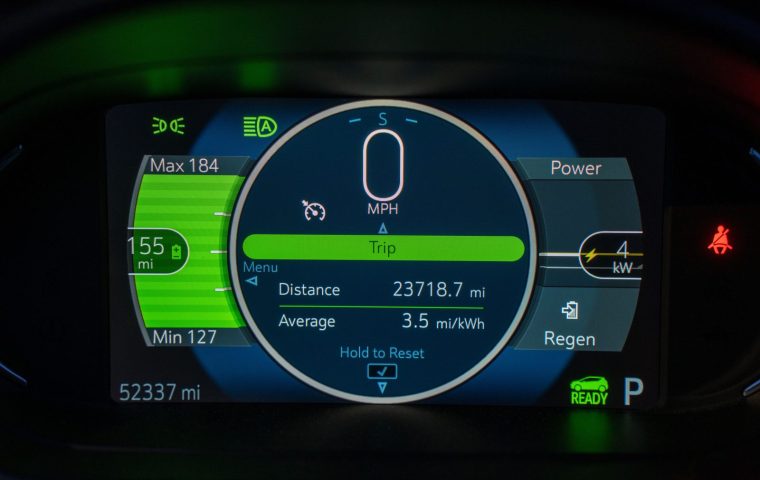

Last winter I rode along with a buddy who had just traded his gas sedan for a shiny new electric crossover. He kept glancing at the dashboard like it owed him money. The sticker had promised 310 miles. On a 28-degree highway run with the heat cranked, he was watching it tick down closer to 220.
That gap is the whole story. The range number on the window sticker is a lab result, not a promise. What you actually get depends on weather, speed, how you drive, and how the car manages its battery.
So I went looking for the EVs that hold up best once you leave the showroom, and that do it without making you sell a kidney. Below is a value-ranked list, sorted by usable miles for the dollar rather than by the biggest headline figure.
How I Ranked These (A Quick Word on Real Numbers)
Every range figure here is the kind of number you can expect in mixed real driving, not the best-case lab rating. I knocked the official ratings down to reflect highway speeds, climate use, and a battery that is past its first month of life.
To get there, I started from each car's EPA rating and trimmed it using typical mixed highway and city efficiency, then left some headroom below the official figure so the result errs conservative rather than optimistic. I also weighed range against what the car actually costs and how cheaply it charges. A car that goes 350 miles but stings you on every fast-charge stop is not the bargain it looks like.
The "real-world range" figures are conservative mixed-driving estimates, not EPA stickers. Your mileage will swing with temperature, speed, and terrain, so treat these as honest ballparks.
1. Chevy Bolt EUV
The Bolt EUV is the quiet workhorse of cheap electric miles. It is not fast and it is not luxurious, but it consistently returns around 230-250 real miles from a small, efficient battery.
Because it sips energy, your cost per mile is excellent even on slower home charging. I know two delivery drivers who swear by these for exactly that reason.
The catch is the slower DC fast-charging speed. On a long road trip you will sit at the charger longer than you would in a newer car, so plan your stops with a little patience.
2. Hyundai Kona Electric
The Kona Electric is one of the most efficient small EVs you can buy, and that efficiency is where the value hides. Expect roughly 240-260 usable miles in mixed driving, and noticeably more if your commute is mostly city streets.
It is a small car, so the cabin is snug for tall passengers. But for a single commuter or a small family running errands, it punches well above its price.
One small aside: the Kona shines in mild climates. If you live somewhere that bites in January, read up on how cold weather drains EV range and what to do about it before you assume the worst.
3. Tesla Model 3 (Standard Range)
The base Model 3 remains a value benchmark, and it is mostly down to the charging network. You can realistically count on around 240-260 miles in mixed driving, and the Supercharger stops are fast and almost boringly reliable.
That reliability matters more than people admit. Spending less time wondering whether a charger will work is worth real money over years of ownership.
If you road-trip often, the brand's charging network can matter as much as the range itself. A slightly shorter range with dependable fast chargers usually beats a bigger battery with flaky stops.
4. Kia Niro EV
The Niro EV is the sensible-shoes pick, and I mean that as a compliment. It returns roughly 240-260 real miles, swallows a surprising amount of cargo, and rides like a normal, comfortable crossover.
Nothing about it screams for attention, which is part of the appeal. It is the kind of car you buy and then stop thinking about, which is what most shoppers actually want.
Its efficiency keeps charging costs low, and the warranty coverage is generous. For a family that wants one no-drama EV, this is a strong, level-headed choice.
5. Hyundai Ioniq 6
Here is where range and efficiency really come together. The Ioniq 6 is shaped like a teardrop for a reason, and that slippery body lets it hold roughly 280-310 real highway miles, which is unusual for the price.
Aerodynamics is the unsung hero of highway range. The Ioniq 6 proves you do not need a giant battery to go far, you just need a shape that does not fight the air.
It also fast-charges very quickly thanks to its 800-volt system, so even on a road trip your stops are short. For long-distance drivers watching the budget, this one is hard to beat.
6. Ford Mustang Mach-E (Extended Range, RWD)
The rear-drive extended-range Mach-E is the value sweet spot of Ford's electric lineup. In mixed driving it holds around 270-290 real miles, and the rear-drive setup is more efficient than the all-wheel-drive versions.
It is roomy, it drives well, and it does not feel like a science experiment. That normalcy is a big part of why people who are nervous about going electric end up keeping theirs.
It is also loaded with driver aids, and not all of them are equally useful. Before you pay extra for a tech package, it helps to know which driver-assistance features actually earn their keep versus the ones that just pad the spec sheet.
7. Tesla Model Y (Long Range)
The Long Range Model Y is not cheap, but the miles-per-dollar math is strong because it does so much at once. Expect around 290-310 real miles, plenty of cargo space, and the same dependable charging network as its smaller sibling.
For a household that wants one vehicle to handle commuting, family duty, and the occasional long haul, the Model Y covers a lot of ground, literally. The resale values have held up well too, which softens the higher entry price.
Bigger wheel options look sharp but quietly eat your range, sometimes 15-20 miles' worth. If maximum usable range is your goal, order the smaller wheels and save the upgrade money.
8. Hyundai Ioniq 5
The Ioniq 5 rounds out the list as the do-everything value champ. It returns roughly 250-270 real miles, charges blisteringly fast on its 800-volt system, and has one of the roomiest, most pleasant cabins in its price range.
That fast-charging speed changes how road trips feel. A stop long enough to use the restroom and grab a coffee often gets you most of the way back to full, which is exactly how charging should work.
It is the car I most often point friends toward when they want range, comfort, and quick charging without stepping up to luxury money. Few EVs balance those three things as gracefully.
The Range Killers You Control
No matter which of these you pick, a chunk of your real-world range is in your own hands. Highway speed is the biggest lever. Cruising at 80 instead of 70 can quietly erase a meaningful slice of your miles.
Preconditioning the cabin while still plugged in, easing off the throttle, and keeping tires properly inflated all add up. These are small habits, but over a year they recover real distance.
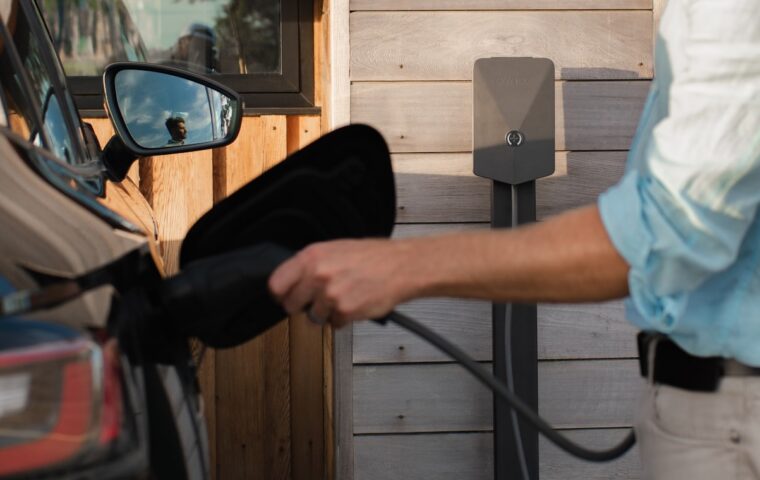
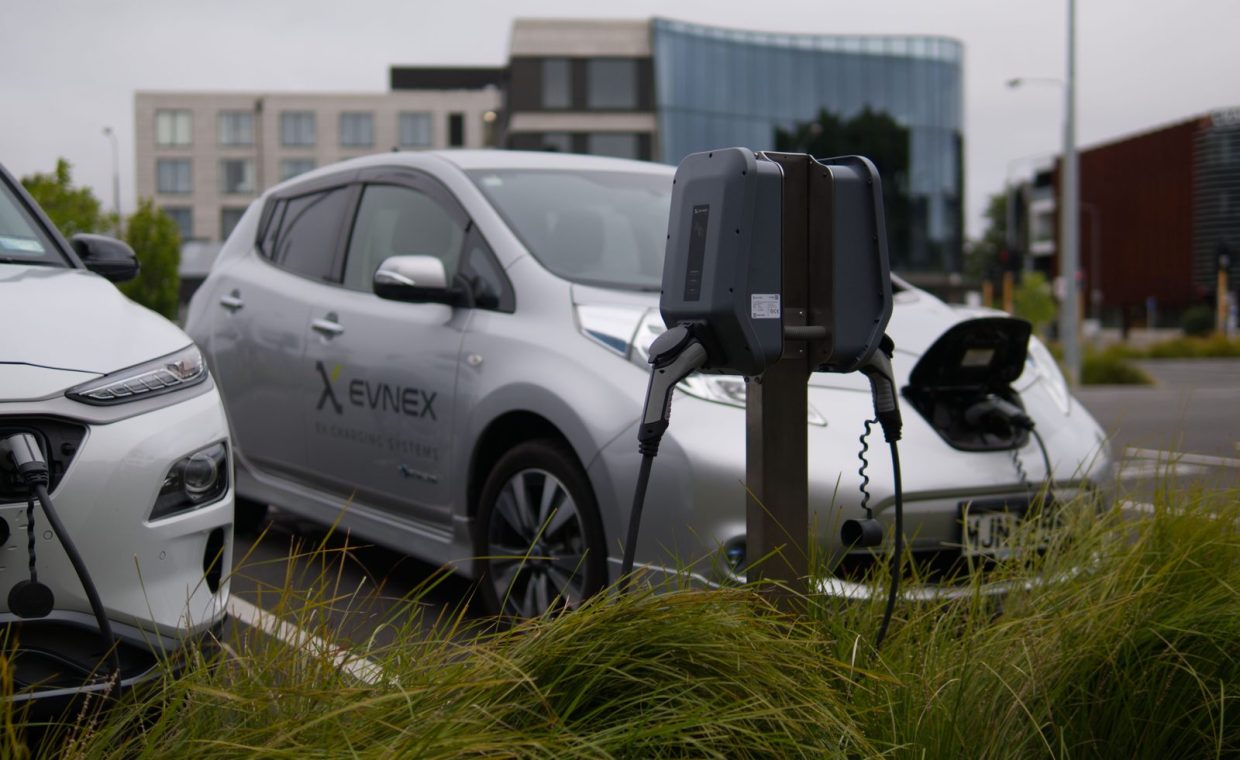
And when you do stop to charge in public, basic courtesy keeps the system working for everyone. A quick refresher on how to behave at a public charging station goes a long way, especially unplugging promptly once you are full so the next driver can get moving.
For pure cheap miles, the Bolt EUV and Kona Electric win. For long highway trips on a budget, the Ioniq 6 and Ioniq 5 lead. For all-around family value, the Niro EV, Mach-E, and Model Y are the safe, sensible bets.
Why is my real-world range lower than the sticker says?
The sticker is a controlled lab rating. Real driving adds cold weather, highway speeds, climate-control use, and elevation changes, all of which pull the number down. Losing 15 to 25 percent versus the rating in tough conditions is normal, not a defect.
Is a bigger battery always the better buy?
Not really. A big battery costs more, weighs more, and takes longer to charge. An efficient car with a smaller battery, like the Kona or Ioniq 6, can deliver similar real miles for less money and cheaper charging.
How much range do I actually need day to day?
Most drivers cover well under 50 miles a day. If you can charge at home, around 250 real miles is plenty of cushion, and you only really need more if you take frequent long road trips.
Buying an EV for value is less about chasing the biggest number and more about matching honest range to how you actually drive. Pick the car that covers your real days with room to spare, charge it at home when you can, and let the sticker figures fade into the background. Do that, and you will spend a lot less time staring at the dashboard doing math.