
The first real cold snap of my time with an electric car taught me a lesson no spec sheet had. I left the house on a 12-degree morning with what the dash promised was 240 miles, and by the time I hit the highway it had quietly slid to about 180. Same battery, same car, same me. Just colder.
My neighbor, a retired diesel mechanic who still side-eyes anything without an exhaust pipe, watched me sit in my driveway scraping frost and just shook his head. He was sure the car was broken. It wasn't. Cold weather simply makes an EV work harder, and most of that loss is recoverable if you know where it's hiding.
I've spent a few winters now chasing those vanishing miles, partly out of stubbornness and partly because I genuinely enjoy the math. Here are the seven moves that have actually moved the needle for me, ranked roughly by how much they pay back versus how little effort they take.
1. Precondition While You're Still Plugged In
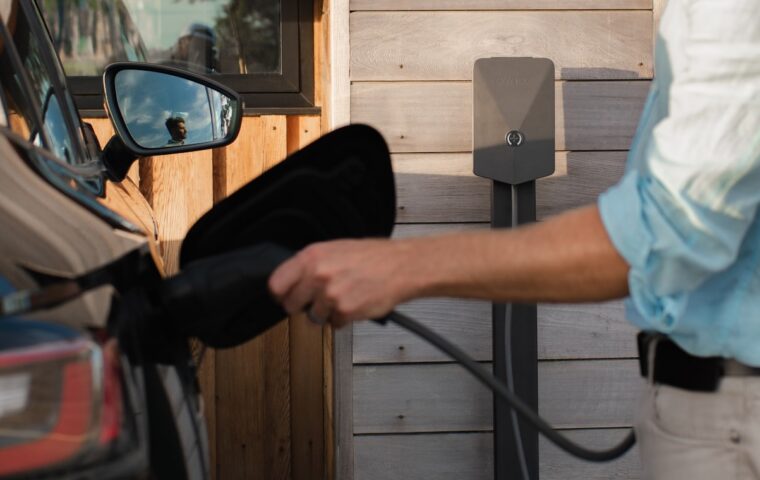
This is the single biggest win, and it costs you nothing but a habit. Warming the cabin and the battery using grid power, before you unplug, means the car isn't dipping into its own pack to thaw itself out.
A cold battery has more internal resistance, so it can't deliver or accept energy as eagerly. Heating it gently while it's tethered to the wall wakes it up using electricity you already paid for at home rates.
Set a departure time in the app the night before. I aim for the cabin to hit temperature about five minutes before I walk out, so I'm not heating an empty car for half an hour.
Schedule departure preconditioning instead of triggering it manually. Manual warming usually runs longer than you need and pulls from the battery if you've already unplugged.
2. Lean on the Heated Seats and Steering Wheel
Cabin heat is the quiet range killer in winter. Warming a big box of air takes serious energy, especially with a resistive heater in older or budget EVs.
Heated seats and a heated steering wheel warm you directly, using a fraction of the power. Your body reads warm hands and a warm back as "I'm comfortable" long before the air temperature catches up.
I keep the cabin set a few degrees cooler than I would in summer and let the contact heat do the rest. On a 30-mile commute that small shift alone can save me real miles, and I genuinely don't notice the difference in comfort.
3. Respect the Heat Pump (or Know You Don't Have One)
If your EV has a heat pump, it can pull warmth from the outside air and move it inside far more efficiently than a straight electric heater. The catch is that very cold air has less heat to scavenge, so the advantage shrinks as the thermometer drops.
Knowing which system your car uses changes your expectations. A resistive-heater EV will simply eat more range in winter, and there's no shame in planning around that rather than fighting it.
This is one of those details I wish more buyers checked before signing. If you live somewhere that sees a real winter, a heat pump is worth asking about specifically, because the brochure rarely shouts about it.
4. Soften Your Right Foot and Plan the Regen
Cold tires, cold lubricants, and cold air all add drag. Aggressive acceleration in those conditions burns through electrons faster than the same launch would in July.
Regenerative braking also behaves differently when the pack is cold. The car often limits how much energy it will accept to protect the battery, so you get less of that familiar one-pedal slowdown until things warm up. Plan for slightly longer stopping distances and use the friction brakes without guilt.
A cold battery can't safely absorb a hard burst of charge. Once the pack warms after a few miles, regen usually returns to full strength, so the early sluggishness isn't a fault.
5. Mind Your Tires, Pressure and All
Air contracts as it cools, so your tires lose roughly a pound of pressure for every 10-degree drop. Underinflated tires add rolling resistance, which quietly siphons off range all winter long.
Check pressures on a genuinely cold morning, not after a long drive, and set them to the door-jamb spec. I keep a decent gauge in the glovebox because the gas-station ones lie.
If you run dedicated winter tires, and in real snow country you should, accept that their softer compound and chunkier tread cost you a little efficiency. That's a trade for grip that keeps you out of a ditch, and I'll take that deal every time.
6. Charge Smart and Charge Warm
A cold battery charges slowly. Pull up to a DC fast charger with a frozen pack and you may watch the rate crawl, which is maddening on a road trip when you just want to get back on the highway.
If your car offers route-based battery preconditioning, use it. Navigating to a fast charger lets the car warm the pack on the way so it's ready to gulp power when you arrive. Plugging this kind of planning into your routine is half of what separates a smooth winter trip from a frustrating one, and it pairs nicely with avoiding the usual common EV charging mistakes and their fixes.
Public stations get crowded when it's cold and everyone's range is down, so a little courtesy goes a long way. Moving your car promptly once it's done and not hogging a stall are part of basic public charging etiquette every EV driver should follow.
Leaving an EV at a very low state of charge for days in freezing weather strains the battery, which may use energy to keep itself from getting too cold. Park with a buffer, ideally plugged in.
7. Park Smart and Cut the Phantom Drain
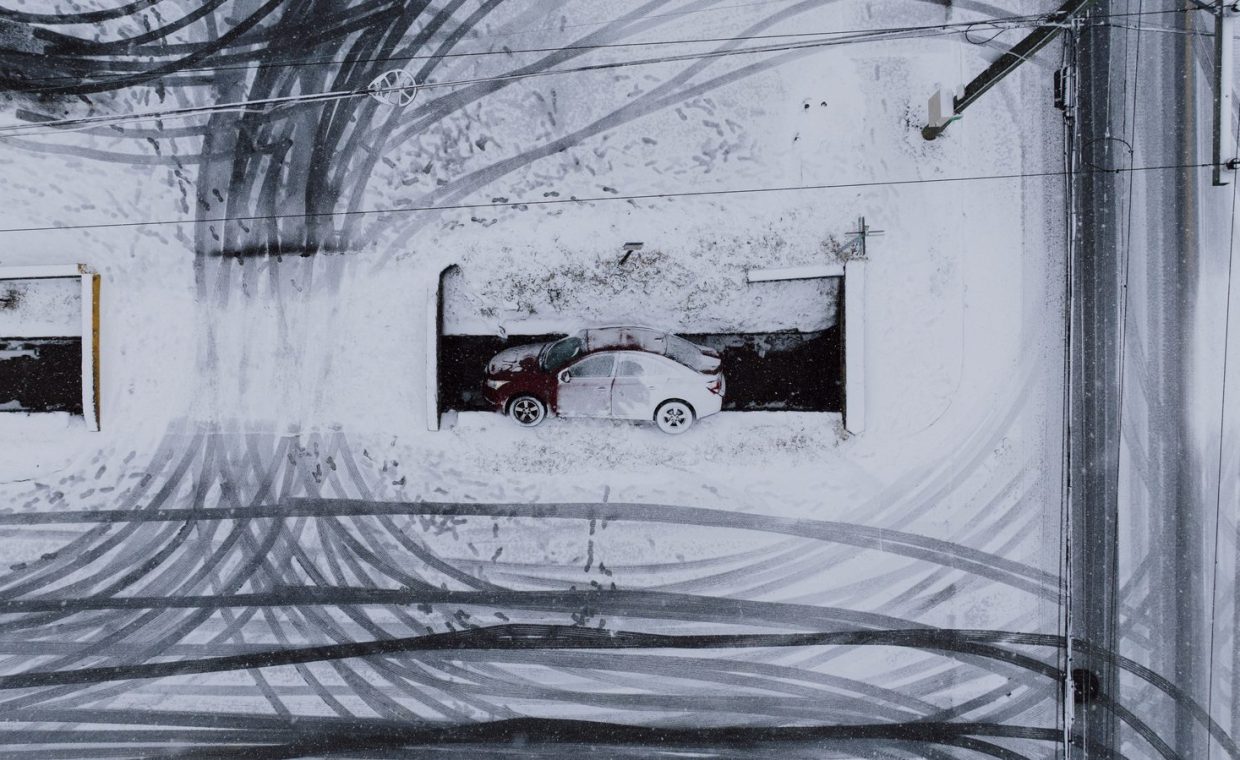
Where you leave the car overnight matters more than people expect. A garage that sits even ten degrees warmer than the street means the battery starts the morning closer to its happy zone, and you spend less energy thawing it.
If you have no garage, parking out of the wind and nose-in helps a little, and a covered spot keeps frost off the glass so you're not running the defroster at full blast before you even move.
Watch the small stuff too. Sentry-style cameras, constant app pinging, and keeping every comfort feature blazing while parked all nibble at the pack. I'd rather spend that energy on miles than on letting the car babysit itself in a cold lot.
Precondition on grid power, lean on contact heat, check tire pressures cold, precondition before fast charging, and park somewhere sheltered. Five small habits, a surprising number of miles back.
How much range can you realistically claw back?
No single trick is a miracle. Stacked together, though, these habits have pulled my real-world winter loss from something ugly down to something I barely think about anymore.
| Move | Effort | Range payback |
|---|---|---|
| Grid preconditioning | Low | High |
| Heated seats over cabin heat | Low | Medium |
| Correct tire pressure | Low | Low to medium |
| Precondition before fast charging | Low | High (time saved) |
| Sheltered parking | Low | Low to medium |
One bonus that has nothing to do with electrons. Cold fingers fumble with phones, so getting your wireless CarPlay or Android Auto set up properly means navigation and charging apps connect the second you sit down, no gloves-off fiddling at a frozen charger.
Why does my EV lose so much more range in winter than summer?
Cold raises the battery's internal resistance, cabin heating draws real power, and chilly tires and air add drag. Together they can trim a noticeable chunk off your usable range, most of which you recover with preconditioning and smarter heating.
Is it bad to fast charge a frozen battery?
It isn't damaging, but it's slow. A cold pack accepts power cautiously to protect itself, so warming the battery first, ideally with route preconditioning, gets you much faster charging speeds.
Should I keep my EV plugged in overnight when it's freezing?
Yes, when you can. Staying plugged in lets the car maintain a healthy battery temperature using grid power instead of its own charge, and you wake up to a warm, ready pack.
Winter will always cost an EV something. The difference is whether you hand over 30 percent of your range without a fight or trim that loss down to a number you stop noticing. Start with preconditioning and the contact heaters this week, and see how many of those vanishing miles come home. Catch you at the charger, and save me a stall.