
Priscilla was barely a month into EV ownership when she messaged me, half proud and half puzzled. She loved the car, but her costs were higher than she expected. Out of pure habit, she had been rolling up to a DC fast charger every couple of days, the way she used to swing by a gas station, and she was paying a premium for it without realizing the cheaper option was sitting in her own garage.
When we walked through her charging history together, the pattern jumped out. She was treating the EV like a phone she kept topping up, fast-charging when she could have trickled overnight, and ignoring the cheapest hours of the day. Twenty minutes of habit-tweaking later, her routine cost less and took almost no active time. The mistakes she made are the same ones nearly every new owner makes.
Here are the charging mistakes I see constantly, why each one quietly costs you, and the fix that actually sticks.
Fast-charging when you could be charging at home
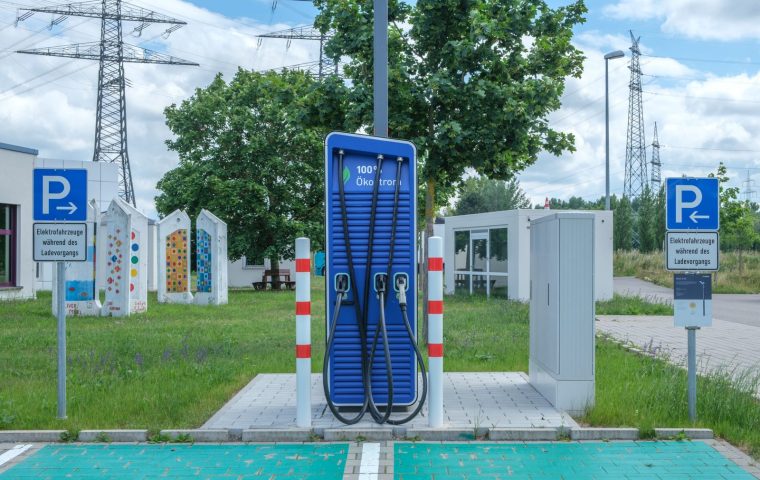
DC fast chargers feel like the obvious answer because they mimic the gas station ritual. You drive somewhere, you plug in, you wait, you leave. The problem is that public fast charging is usually the most expensive electricity you can buy and the hardest on your battery.
Priscilla was paying public-network rates that ran roughly three to four times her home electricity cost. Over a month, that gap added up to real money for energy she could have gotten cheaply while she slept.
If home charging costs you around a few cents per mile and fast charging costs several times that, a person driving 1,000 miles a month can easily waste $40 to $80 just by defaulting to public chargers.
The fix
Treat home (or workplace) Level 2 charging as your default and fast charging as the exception for road trips. A simple 240-volt home charger adds enough range overnight for almost any daily commute. You wake up to a "full tank" every morning and never think about it.
Charging to 100 percent every single day
This one is pure phone-brain. We are all trained to top a device to full, so people do the same with a car that has a battery measured in the tens of kilowatt-hours instead of a few watt-hours.
Lithium batteries are happiest hanging out in the middle of their range. Living at a constant 100 percent state of charge adds stress over the years, and most days you simply do not need that last slice of range to get to work and back.
Most EVs let you set a daily charge limit. Park it around 80 percent for normal driving and bump it to 100 percent only the night before a long trip. Your car will protect its own battery if you let it.
If you are still weighing whether a full battery car even fits your life, that calculus matters too. I walk through it in detail in this comparison of a plug-in hybrid versus a full EV, because the right charging habits start with picking the right powertrain for how you actually drive.
Ignoring time-of-use electricity rates
Most utilities charge different prices at different hours. Peak evening hours, when everyone runs the AC and cooks dinner, are the priciest. Late night is often dramatically cheaper.
Plenty of EV owners plug in the second they get home, around 6 p.m., and pull power at the worst possible rate. They are essentially paying a premium tax on every mile, every day, without realizing it.
The fix
Check whether your utility offers a time-of-use or EV-specific rate plan. Then schedule charging to start after the peak window closes, usually somewhere around 9 p.m. to midnight depending on your area.
You can set the start time in the car's menu, or you can set it in your charger's app. Pick one source of truth. Setting both sometimes creates conflicts where the car waits for the charger and the charger waits for the car, and nothing charges at all.
One family I interviewed shaved a noticeable chunk off their monthly bill just by moving charging to off-peak hours. You can read how the rest of their numbers shook out in this story about a family that switched to an EV and tracked the savings.
Letting the battery get ice cold before fast charging
This is the sneaky one. People assume a fast charger always delivers fast speeds. In cold weather, a cold battery charges slowly because the car limits power to protect the cells.
Priscilla hit this in February. She showed up at a 150-kilowatt charger and watched it crawl at a fraction of that speed, blaming the station. The station was fine. Her battery was just too cold to accept the energy quickly.
The fix
If your EV has battery preconditioning, use it. When you set a fast charger as your navigation destination, many cars will warm the battery on the way so it arrives ready to gulp power. A warm pack can cut a winter fast-charge session from an hour down to the 20 to 30 minute range.
Without preconditioning, a frigid battery can roughly double your charging time. That is the difference between a quick coffee stop and a frustrating wait while your hands go numb.
Sitting at a fast charger from 80 to 100 percent
Fast charging is not linear. Power tapers hard once you pass roughly 80 percent, because pushing a nearly full battery quickly is risky for the cells. So the car deliberately slows down.
That last 20 percent can take as long as the first 80 did. People plant themselves at the charger waiting for a full battery and burn 20 or 30 extra minutes for very little added range.
The fix
On a road trip, unplug around 80 percent and get back on the highway. You will reach your next stop faster by taking shorter, more frequent charges than by squeezing every charger to full. Charge to the next leg, not to the top.
| Charging window | Roughly how fast | Best use |
|---|---|---|
| 10 to 80 percent | Fastest, full power | Road-trip stops |
| 80 to 100 percent | Slow, big taper | Only at home, overnight |
| Daily top-up | Slow Level 2 | Every night while you sleep |
Not learning your car's charging tools
Modern EVs are loaded with software that does this thinking for you, and most owners never open the right menu. Scheduled departure, charge limits, preconditioning, trip planning with charger stops, all of it usually sits one or two taps deep in the screen.
Priscilla had a "leave by 7:30 a.m." departure setting that would have warmed the cabin and finished charging on cheap power automatically. She had never touched it. Spending ten minutes learning these features pays off every single day after.
Sit in the driveway and open the charging and trip-planning menus. Set your charge limit, your off-peak schedule, and your departure time. It is the highest-value ten minutes of EV ownership.
If you want a sense of which screen features genuinely earn their keep versus which are gimmicks, I sorted that out in this rundown of infotainment features you will actually use.
Charge at home on cheap off-peak power, cap your daily limit around 80 percent, precondition before winter fast-charges, and unplug near 80 percent on road trips. Small habits, big difference in time, money, and battery health.
Is it bad to use fast chargers regularly?
Occasional fast charging is fine and what the stations are for. The concern is making it your everyday default, which costs more and adds heat stress over the years. Lean on slower home charging day to day and save fast charging for trips.
Should I really stop charging at 80 percent?
For daily driving, yes, 80 percent is a good ceiling that eases long-term battery wear. Charge to 100 percent only when you need the full range, like the night before a long drive. Your car's charge-limit setting makes this automatic.
Why does my EV charge so slowly in winter?
A cold battery accepts power slowly to protect itself, so fast-charge speeds drop in freezing weather. Preconditioning, which warms the pack before you arrive, fixes most of it. If your car lacks that feature, driving a while before charging helps warm things up.
None of this is hard once you stop treating an EV like a phone or a gas car and start treating it like what it is. Priscilla's routine now runs on autopilot: plug in at night, wake up charged on cheap power, and only think about charging on the rare road trip. Give your own habits a ten-minute tune-up, and the car will quietly do the rest. Happy driving out there.