
Dwight adored his used electric crossover for the grocery run and the school pickup loop, the kind of short hops where range never crossed his mind. Then he booked a 300-mile drive to see his sister, and the calm evaporated. He called me in a near panic the night before, certain he would end up stranded on a dark shoulder somewhere watching the battery icon blink. That single jolt of nerves is the reason this article exists.
Here is the honest truth. A long EV trip is not hard, but it is different from filling a gas tank twice and not thinking about it. You trade a little spontaneity for a little planning, and once you understand the rhythm, the planning takes about fifteen minutes the night before you leave.
Below is the exact sequence I walked Dwight through. He made it to his sister's driveway with charge to spare and texted me a photo of the car plugged into a wall outlet in the garage, looking very pleased with itself.
Know Your Real Range, Not the Sticker Number
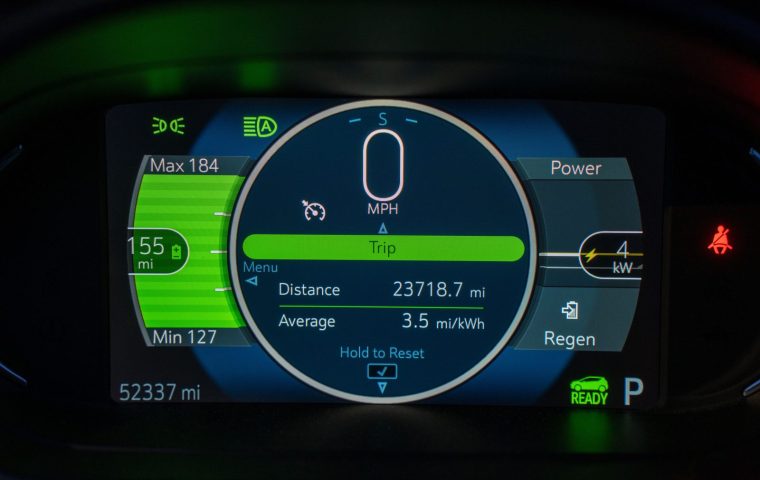
The range on your window sticker was measured in a lab under polite conditions. Your actual highway range at 75 mph in February will be lower, sometimes by twenty or thirty percent. That gap is the single biggest reason new EV road-trippers get nervous.
Drive a longer local loop at highway speed before your trip and watch how fast the percentage drops. That gives you a personal baseline far more useful than any brochure.
If you are still shopping or want a sanity check on your model, look at how different EVs perform in real-world range tests rather than the EPA figure. Cold weather, headwinds, roof boxes, and a heavy right foot all eat into that number.
For trip planning, assume you will get about 70 percent of your rated range on the highway in cold weather, and around 85 percent in mild weather. Plan to charge before you hit 10 percent, never after.
Map the Route Around Chargers, Not Just Roads
This is where the trip actually gets planned. Open a route planner built for EVs (A Better Routeplanner and the planners built into many cars are the common ones) and enter your start, destination, and your specific vehicle.
The tool spits out a route with charging stops already marked, including roughly how long to sit at each one. Look at it the way you would look at a flight itinerary: these are your scheduled stops, and they are negotiable but real.
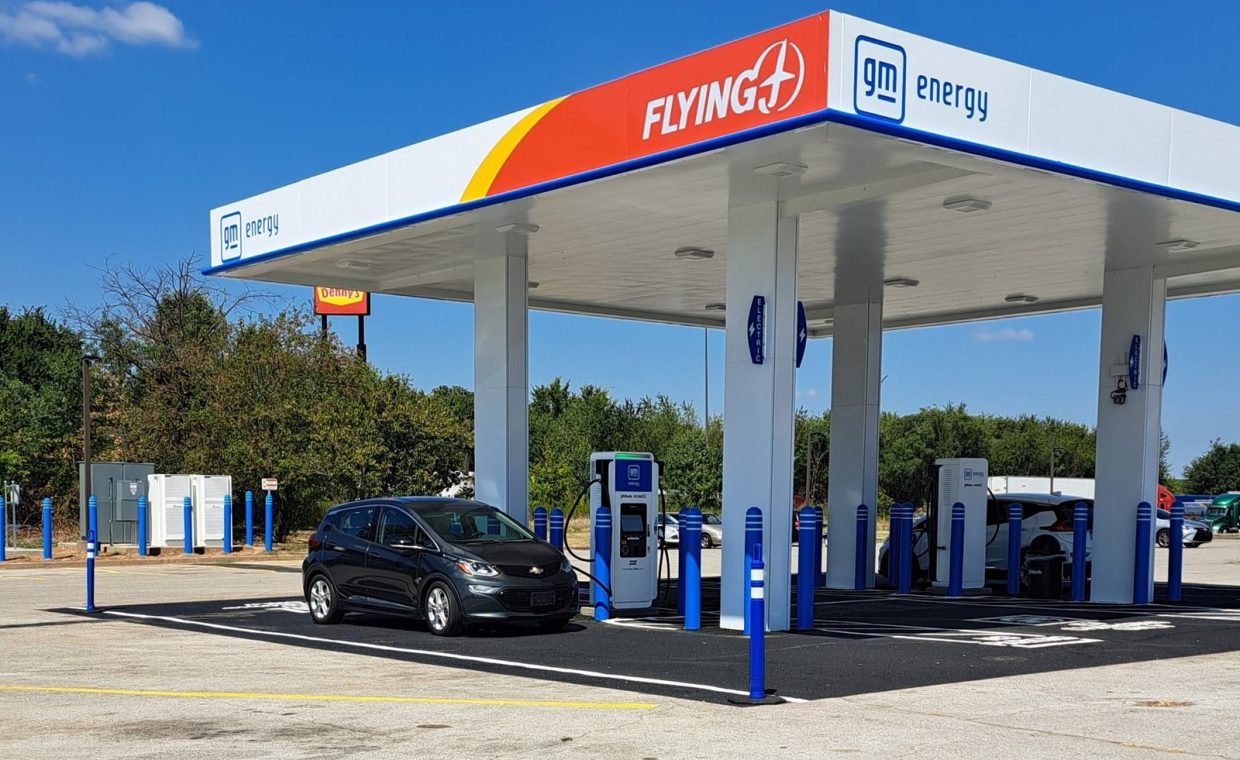
Do not rely on a single charger at any stop. Pick locations that have multiple stalls, and note a backup station within ten miles. Chargers do go offline, and the difference between a minor detour and a genuine problem is whether you planned a plan B.
What to look for at each stop
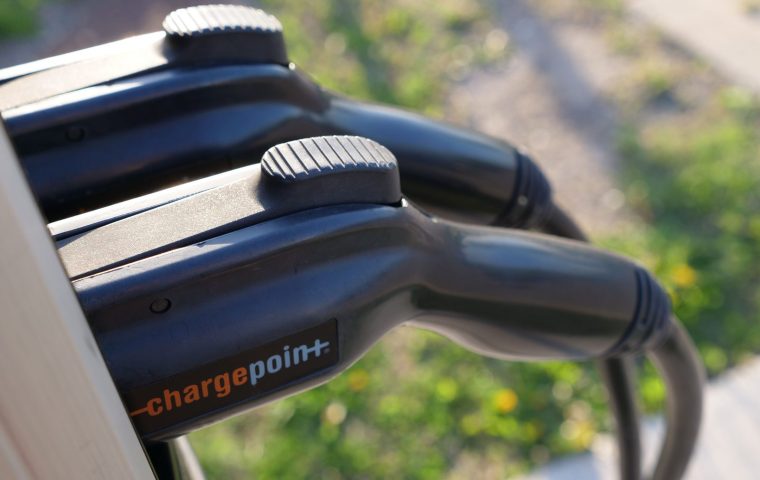
- The connector type matches your car (CCS, NACS, or an adapter you actually packed).
- The charger speed is high enough to be worth stopping (150 kW or more for a quick splash, lower is fine for longer breaks).
- Recent check-ins or reviews in an app like PlugShare suggest the station is working today, not last year.
Charge to the Sweet Spot, Not to 100
Here is the counterintuitive part that trips people up. On a road trip you usually do not want to charge to 100 percent at a fast charger. Charging slows down dramatically above roughly 80 percent, so those last twenty points can take as long as the first sixty.
The faster strategy is to arrive at a charger fairly low, charge quickly to around 70 or 80 percent, and get back on the road while the car is still drinking fast. You stop more often but for shorter chunks, and your total trip time usually goes down.
There is a second reason to avoid living at 100 percent. Repeatedly filling to the top and sitting there adds stress to the pack over time. If you want the full picture on what actually wears a battery, this breakdown of what causes EV battery degradation is worth ten minutes before any big trip.
If you are leaving a charger and the next reliable station is far away, by all means charge higher. The 80 percent rule is about speed and pack health, not a law. Range security always wins when the gaps are long.
Set Up Payment and Apps Before You Pull Out of the Driveway
Nothing kills momentum like standing at a charger in the rain, fumbling to create an account while your phone signal flickers. Do this part on your couch the night before.
Download the apps for the charging networks on your route. The big ones in North America include the manufacturer's own network plus a handful of third parties. Create the accounts, add a card, and confirm each app shows a green light to charge.
Many newer cars now support plug-and-charge, where you simply plug in and the car handles billing automatically. It is wonderful when it works. Set it up anyway, but keep the backup apps loaded, because "when it works" is doing some quiet work in that sentence.
Do not assume one membership covers every charger. Networks are like different gas brands that each want their own loyalty card. Having two or three apps ready means a broken station is an annoyance, not a dead end.
Pack the Boring Stuff That Saves the Day
A short kit lives in my trunk for every long drive, and it has rescued me more than once.
- The portable Level 1/2 charger that came with the car, so any standard outlet at a hotel or relative's house becomes an overnight top-up.
- Any adapter your car needs for networks you might encounter (a NACS or CCS adapter, depending on your vehicle).
- A real charging cable for your phone, since the trip planner is useless on a dead battery.
- A printed or screenshotted list of your planned stops, in case you lose signal in the mountains.
That portable charger is the unsung hero. Even a slow trickle overnight at a motel can add 40 or 50 miles, which is often enough to reach a proper fast charger in the morning with breathing room.
Drive the Trip, and Adjust on the Fly
Now you actually go. The plan is a guide, not a cage. Watch two numbers as you drive: your current charge and the estimated charge on arrival at your next stop.
If that arrival number is dropping toward single digits because of a stiff headwind or a climb you did not expect, slow down. Dropping from 75 to 65 mph can recover a surprising amount of range, and it is the single most effective lever you have in the moment.
Use your charging stops like real breaks. Walk around, get coffee, stretch. Twenty minutes at a charger feels long if you stare at the screen and short if you treat it as the rest you would have taken anyway.
Know your real range, route around reliable chargers, charge to about 80 percent for speed, set up payment in advance, pack a backup cord, and slow down if the arrival number looks tight. That is the whole game.
A Word on Confidence and the Tech Around You
The thing that surprised Dwight most was how quickly the anxiety faded. By the second charging stop he was no longer watching the percentage like a hawk, because the pattern had become familiar and predictable.
Modern EVs also stack the deck in your favor with driver-assistance features that make long highway stints less tiring, from adaptive cruise to lane centering. If you are weighing which of those features matter, our take on whether blind-spot monitoring earns its keep applies just as much on a 600-mile day as it does in city traffic. Fatigue is a real road-trip risk in any car, electric or not.
Trust the planning you did. The math is on your side once you have done it honestly.
How much longer does an EV road trip really take?
For most trips, plan on roughly 20 to 40 extra minutes of charging for every 300 miles or so, depending on your car and charger speeds. A lot of that overlaps with bathroom and food breaks you would take anyway, so the real penalty is usually smaller than people fear.
What happens if a charger is broken when I arrive?
This is exactly why you plan a backup station within about ten miles of each stop and keep a healthy buffer of charge. If you arrive at 20 percent instead of running to empty, a broken charger means a short detour, not a tow truck.
Can I road-trip an EV in winter?
Yes, but plan for shorter range and slower charging in the cold. Precondition the battery before fast charging if your car offers it, expect to stop a bit more often, and pad your arrival buffers. The trip is completely doable, it just asks for a little extra margin.
Dwight texts me before every big drive now, not because he is worried but out of habit, and the messages have shifted from "will I get stuck" to "found a great charger next to a taco place." That is the whole arc of becoming an EV road-tripper. Do the fifteen minutes of planning, keep a buffer, and the open road belongs to you just like it always did.