
Boyd bought a 2009 Honda Civic for $9,400, picking it off a strip-mall used lot with 81,000 miles already on the clock and a faint coffee stain set into the passenger seat. The salesman called it "a great little commuter," which is the kind of line that usually makes me want to read the service records twice. Boyd did not. He just needed something that would start every morning so he could keep his warehouse shift.
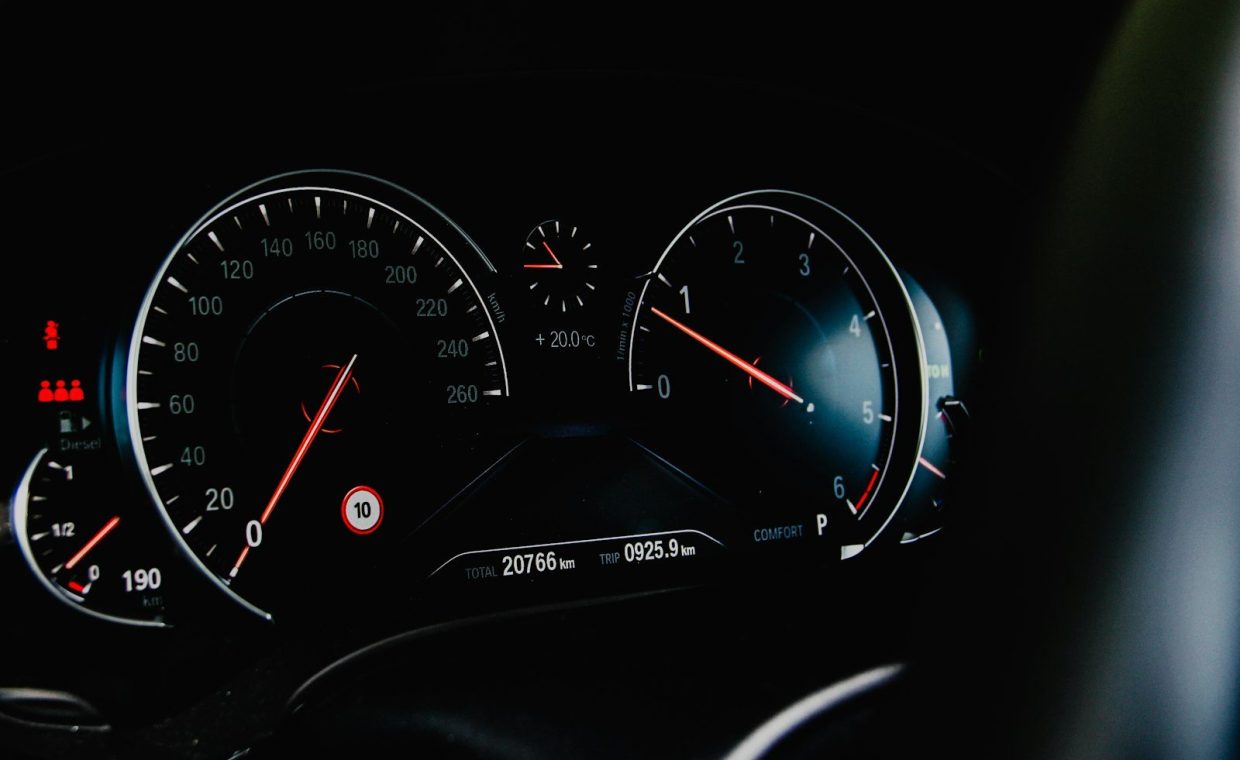
Eleven years later, that same Civic rolled past 200,000 miles on a Tuesday, in a grocery store parking lot, with the original engine and the original transmission. Boyd took a photo of the odometer and texted it to me with three exclamation points. I have spent a lot of time being skeptical about "indestructible" cars, so I asked him to send me every receipt he still had.
What follows is not a brochure. It is one person's real ledger, the boring maintenance and the genuinely annoying surprises, and what it quietly changed about how he shops for cars now.
The car nobody was excited about
Boyd is not a car person. He cannot tell you the horsepower figure and he does not care. He wanted four doors, decent fuel economy, and a payment he could cover even if his hours got cut.
The Civic was almost an accident. He had test driven a flashier sedan first, a German one with a leather smell and a heated steering wheel, and walked away because the monthly number scared him. That instinct, choosing the boring car because the math felt safe, turned out to be the most important decision in the whole story.
He paid cash for part of it and financed a small chunk over two years. No drama, no eight-year loan. If you want to understand why that matters so much, I have written before about the way a tempting low monthly payment can quietly bury you, and Boyd dodged it mostly by accident.
What the first 100,000 extra miles actually cost
This is the part people skip when they talk about reliability. A car can be "reliable" and still cost you steadily. The real question is whether it costs you a little on a predictable schedule, or a lot all at once.
For Boyd, it was the first kind. Here is the rough shape of his spending from 81,000 miles up to about 180,000, pulled from receipts and a few honest guesses where the paper faded.
| Item | Roughly when | Approximate cost |
|---|---|---|
| Oil changes (about every 5,000 miles) | Ongoing | Around $45 each |
| Front brake pads and rotors | ~110,000 mi | About $320 |
| Tires (two full sets) | ~120k and ~185k | Roughly $500 each set |
| Water pump (timing chain is lifetime, not a scheduled belt) | ~130,000 mi | About $350 |
| Battery (twice) | ~115k and ~175k | Around $140 each |
| Rear brakes | ~150,000 mi | About $280 |
| Suspension struts | ~165,000 mi | Roughly $700 |
Add it up and the big-ticket repairs over roughly a decade land in the low thousands, spread thin. Nothing on that list is a surprise. It is the maintenance any honest mechanic would have warned him about on day one.
Notice what is NOT on the list: no engine rebuild, no transmission replacement, no head gasket, no recurring electrical gremlin. The expensive failures that sink a budget never showed up. That absence is the whole reason the car made financial sense.
The two repairs that almost broke his faith
I want to be fair, because a story where nothing goes wrong is not a real story. Two things did go wrong, and both made Boyd briefly consider trading the car in.
Around 140,000 miles the air conditioning compressor gave out in July. That was an unplanned hit of about $900, and for a week he drove with the windows down telling himself it was character building. It was not. It was just hot.
The second was a cracked motor mount near 170,000 that made the whole car shudder at red lights. He thought the engine was dying. It was a $260 part and a couple hours of labor, but the fear in that moment was real, because a shaking engine feels like the end.
High mileage reliability is not the same as zero cost. Boyd still spent money every year. The difference is that his worst single repair was around $900, not the $4,000-plus that a failed transmission or engine would have cost. Budget for the predictable stuff or the math falls apart.
Why the commute made the case airtight
Boyd drove the same 34-mile round trip to the warehouse almost every day. That kind of steady highway-leaning mileage is genuinely gentle on a car, far gentler than short, cold, stop-and-go city hops that never let the engine warm up properly.
It is one reason his engine aged so well. If you are shopping specifically for that kind of daily grind, the qualities that protected Boyd's Civic are the same ones I look for in the cars that actually hold up to long daily commutes: simple drivetrains, cheap parts, and a repair network on every corner.
That last point is underrated. Boyd never once waited on a back-ordered part or hunted for a specialist. Any shop in town could fix his car with parts they already had on the shelf, and that convenience has a real dollar value when you depend on the thing to get to work.
How it rewired the way he shops
Before the Civic, Boyd shopped by feeling. He looked at the dashboard, the badge, the way it sounded when the door shut. Now he shops like a slightly paranoid accountant, and honestly, good.
His new checklist is short and a little ruthless:
- Pick a model with a long, boring track record, not a brand-new redesign nobody has driven past 100,000 miles yet.
- Price out the common wear repairs BEFORE buying, so no bill is a shock.
- Check that parts are cheap and that ordinary local shops will touch it.
- Keep the loan short, even if it means a less exciting car.
When his sister asked him for advice last year, he did not point her at anything flashy. He sent her toward exactly the kind of car he would buy again, and we both nudged her to read up on whether the Corolla earns its boring-but-bulletproof reputation, because the Civic taught him that boring is a feature, not a compromise.
The number that changed his mind
Boyd did one calculation that stuck with him. Across roughly 120,000 miles of ownership, all his repairs and maintenance combined came out to something like a few cents per mile beyond fuel. Spread over years, the car cost him less per month than the German sedan's payment would have, before that fancier car had turned a single wheel.
That is the moment the skepticism flipped. Reliability stopped being a vague brochure word and became a line on his budget that he could actually see.
When you weigh two used cars, do not just compare the sticker price. Spend twenty minutes searching "common problems" and "maintenance cost" for each exact model and year. The cheaper car to buy is sometimes the far more expensive car to own, and that gap only shows up in the receipts.
So is the lesson "just buy a Honda"?
Not exactly, and I want to be careful here. The lesson is not that one badge is magic. Plenty of Civics get neglected into the ground, and plenty of other brands run forever in the right hands.
The real lesson is about the type of car and the type of buyer. A simple, popular, well-supported model, maintained on schedule and driven gently, is a quietly powerful budget tool. Boyd did not get lucky so much as he accidentally followed a good recipe and then kept following it on purpose.
Three takeaways from 200,000 miles. First, the absence of catastrophic repairs matters more than the absence of all repairs, so judge a car by its worst likely bill, not its best. Second, steady highway miles and on-schedule oil changes did more for longevity than anything fancy. Third, a short loan on a boring car beats a long loan on an exciting one almost every time, because the boring car keeps paying you back long after it is paid off.
Is a car with 80,000 miles already too risky to buy used?
Not for a proven, simple model. Boyd started at 81,000 miles and got another 120,000 out of it. What matters more than the number is the service history, how the car was driven, and whether the common repairs for that model are cheap and predictable.
How much should I budget yearly for a high-mileage commuter?
Set aside a realistic cushion, not a hopeful zero. Boyd averaged maybe a few hundred dollars a year in maintenance plus the occasional bigger hit around $700 to $900. Treat that as normal, not as a sign the car is failing.
Does buying boring really save more than buying nicer and reselling later?
Often yes, for budget buyers. A simple car with cheap parts and a short loan costs little per mile and owes you nothing once it is paid off. The resale-every-few-years approach usually keeps you in a payment forever, which quietly costs more than the depreciation you are trying to dodge.
I went into Boyd's receipts expecting to find a hidden catch, because I usually do. This time I mostly found oil changes and tires. If you are car shopping on a tight budget, that is the unglamorous, deeply reassuring story to keep in mind, and I will happily eat my skepticism on this one.