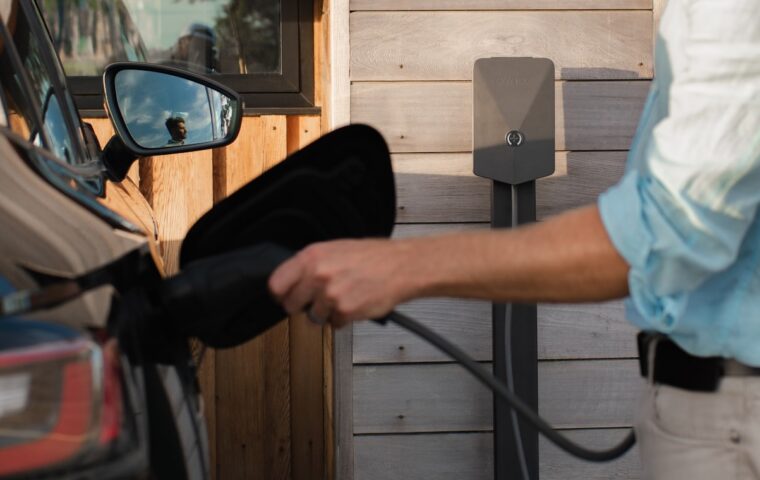

A neighbor of mine, Dana, drives a six-year-old electric hatchback that still shows almost the same range it did when she bought it. Her secret is not some expensive gadget. She just plugs in at 60 percent overnight, charges to 80, and unplugs in the morning. That is it.
Across town, a coworker leased a similar car the same year, kept it pinned at 100 percent in a hot garage, and fast-charged at the station near his office almost daily. His range dropped noticeably faster. Same chemistry, very different outcomes.
The good news is that battery care is mostly about a handful of small habits, not constant babysitting. Do them consistently and a healthy pack lasting 10 years or more is a realistic goal, not wishful thinking. Here is the routine I recommend to anyone who asks.
Set a daily charge limit and leave it there
Most EVs let you cap charging in the app or on the dash. For daily driving, set that ceiling around 80 percent and forget about it. Lithium batteries age fastest when they sit full or sit empty, so living in the middle is the single highest-impact thing you can do.
Save 100 percent for the days you actually need it, like a long road trip. Charge to full the night before you leave so the pack is not sitting topped off for days on end.
If your car has separate settings for "daily" and "trip" charging, use them. Set daily to 80 percent and switch to 100 only the evening before a long drive.
One common mistake I see: owners hear "keep it in the middle" and then panic when the battery hits 30 percent on the way home. That is fine. The danger zone is parking the car for long stretches near 0 or near 100, not briefly passing through low numbers while driving.
Avoid letting it sit at the extremes
Storage state of charge matters more than people expect. If you are leaving the car at an airport for two weeks, do not drop it off at 100 percent or at 5 percent. Aim for somewhere around 50 to 60 percent and let it rest there.
The same logic applies to a car you barely drive. A second vehicle that sits in the garage all winter is happier sitting half full than full. Many EVs have a scheduled or "ready by" charge feature that you can use to keep the resting level moderate.
Never let an EV sit fully drained for weeks. A deeply depleted pack can fall into a state the car cannot recover from on its own, which sometimes means a service visit and a real bill.
What about plugging in every night?
Plugging in nightly is fine as long as your charge limit is set sensibly. The car stops at your cap, so an 80 percent ceiling plus a nightly plug-in is a perfectly healthy pattern. If you want to set this up cleanly at home, my walkthrough on getting an EV charger installed at home covers the outlet and amperage choices that make overnight charging easy.
Treat fast charging as the exception, not the routine
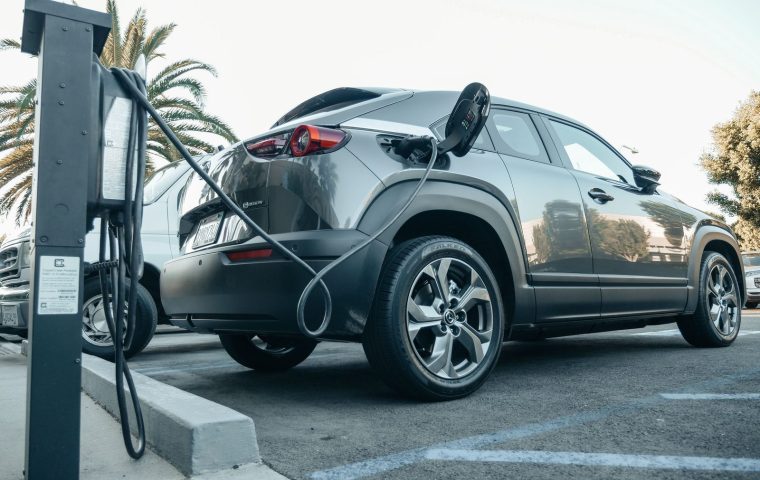
DC fast charging is wonderful on a trip. It is also harder on the battery than slow home charging because of the heat and current involved. Used occasionally, the wear is minor. Used as your everyday method, it adds up over the years.
If you can do most of your charging at home or work on a Level 2 connection, do that. Reserve the fast chargers for travel days and the occasional time you forgot to plug in.
When you do fast charge, you will notice the rate slows down a lot past 80 percent. That is the car protecting the pack, not a malfunction. Unplugging around 80 on a road trip is usually faster overall anyway, since those last 20 points crawl.
High temperature and high state of charge are what age a battery, and fast charging produces heat. That is why a hot climate, a full pack, and frequent fast charging together are the worst combination for long-term health.
Manage heat wherever you can
Temperature is the quiet factor behind a lot of battery aging. Parking in shade, in a garage, or under cover on brutally hot days genuinely helps over the life of the car.
If your EV has active thermal management (most modern ones do), let it work. Leaving the car plugged in during extreme heat lets the cooling system run on grid power instead of draining the pack, which is exactly what you want.
In cold weather, range drops temporarily, but that is not permanent damage. Use the preconditioning feature to warm the battery while still plugged in before you leave. Warming on shore power keeps the pack comfortable without spending your own charge.
Precondition before fast charging in winter too. A warm battery accepts a faster, gentler charge than a cold one, so you spend less time at the station and put less stress on the cells.
Keep up with software and the simple maintenance that remains
EVs have far fewer moving parts than a gas car, but they are not maintenance-free. Software updates often include improved battery and thermal management, so install them when they arrive instead of dismissing the notification for months.
Rotate the tires on schedule, because the instant torque from electric motors can wear tires unevenly. Check the cabin air filter and the brake fluid, and let the shop inspect the coolant loop that keeps the battery temperature steady. A leak or a failing pump there is worth catching early.
The habits above matter even more on a car you intend to own for a decade, so battery warranty length and thermal design are worth weighing as long-term ownership factors. One family I wrote about leaned on exactly those details when they chose an SUV built for battery longevity and long-term ownership, and it shaped how confident they felt about keeping the pack healthy for years.
Watch the numbers, and know what is normal
Some gradual range loss is expected and healthy. A pack that has lost a small slice of its original range after several years is doing fine. What you are watching for is sudden, sharp drops or warning messages, not slow, predictable settling.
Many cars and third-party apps can show a rough state-of-health figure. Glance at it a few times a year rather than obsessing daily. If you ever sell, a documented history of moderate charging and a healthy state-of-health number is a strong selling point.
| Habit | Helps the battery | Hurts the battery |
|---|---|---|
| Daily charge level | Around 80 percent | Pinned at 100 percent |
| Long-term parking | Around 50 to 60 percent | Sitting near empty for weeks |
| Primary charging method | Level 2 at home or work | Daily DC fast charging |
| Hot weather parking | Shade or plugged in | Full pack baking in the sun |
A lot of worry around EV ownership comes from secondhand stories rather than how these cars actually behave. If your head is full of scary claims about packs dying overnight, my piece on common electric car myths and what is actually true clears up where the real risks are and where they are not.
Cap daily charging near 80 percent, avoid parking full or empty for long stretches, keep fast charging occasional, manage heat, and stay current on software and basic service. That handful of habits is what carries a pack past the 10-year mark.
Frequently asked questions
Is it bad to charge my EV to 100 percent sometimes?
No, occasional full charges before a long trip are completely normal and your car is designed for them. The thing to avoid is leaving the battery sitting at 100 percent for days at a time, especially in heat. Charge to full close to when you actually plan to drive.
Will frequent fast charging ruin my battery?
Occasional fast charging on road trips causes only minor wear. The concern is making DC fast charging your everyday method, since the heat and high current accelerate aging over the years. Do most of your charging at home on a slower connection and save the fast chargers for travel.
How much range loss is normal over 10 years?
A modest, gradual decline is expected and healthy, often a small fraction of the original range after many years of careful use. What is not normal is a sudden, sharp drop or a battery warning light, which is worth getting checked. Slow, predictable settling is just the chemistry doing its thing.
None of this requires you to become a battery engineer. Set a sensible charge limit, keep the pack out of the extremes, treat fast charging as a travel tool, and stay on top of the easy maintenance. Do that, and there is a very good chance your EV will still be holding strong range and solid resale value long after the new-car smell is gone. Drive it like you plan to keep it, and it will reward you.