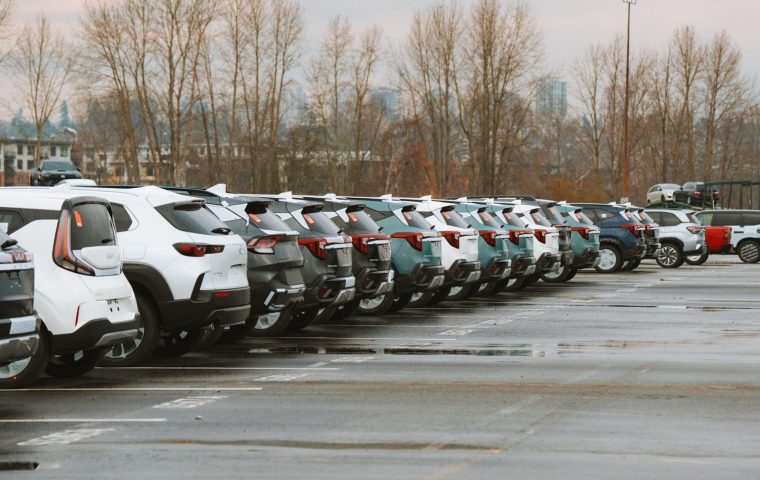

Renata, a coworker, froze in front of a shortlist of nearly identical compact SUVs and asked me to break the tie. She had narrowed it to a handful of badges that all promised the same things, with a kid in a booster seat, a 40-minute commute, and a hard ceiling on the monthly payment. The salesperson kept pushing the loaded trim with heated everything, and she just wanted to know which one would still be worth something in five years.
That conversation is the whole reason I put this list together. Compact SUVs are the default family car now, and the gap between the ones that hold value and the ones that quietly bleed money is wider than most people realize.
So I ranked these the way I'd rank them for Renata: not by horsepower or screen size, but by what they cost to live with. Real cargo space, real fuel bills, real resale, and how each one handles a Tuesday that includes groceries, a soccer practice, and a costco run.
Each pick is weighed on four things: usable interior space, fuel or charging cost, projected resale after five years, and total cost of ownership including likely repairs. A great car with weak resale slides down. A plain one that holds value climbs.
1. Toyota RAV4 Hybrid
If resale were a sport, the RAV4 Hybrid would have a trophy case. It loses value slower than almost anything in this class, and the hybrid system sips fuel without asking you to change how you drive.
It's not exciting. The ride is firm, the interior is sensible rather than plush, and the infotainment has caught up only recently. But you can buy one, drive it for six years, and sell it for an embarrassing amount of money.
For a family that plans to keep a car a long time and still wants a strong trade-in later, this is the safest bet on the list. Renata ended up here, for what it's worth.
2. Honda CR-V Hybrid
The CR-V is the car I recommend when someone says they hate shopping for cars. Everything is where you expect it, the back seat is genuinely roomy, and the cargo floor swallows strollers and folding chairs without a fight.
The hybrid version returns excellent mileage and feels smoother around town than the Toyota. Rear-seat legroom is some of the best in the class, which matters more than people admit until they're driving teenagers around.
Resale trails the RAV4 by a hair, but it's still strong. This is the comfortable, drama-free choice.
3. Mazda CX-5
Here's the one I tell people to drive even if they think they've already decided. The CX-5 steers like something more expensive, and the cabin materials make rivals feel like rental cars.
It's down on cargo space compared to the CR-V, and the back seat is a touch tighter. The fuel economy is decent but not hybrid-territory, so your monthly gas bill runs a bit higher.
The CX-5 is the rare compact SUV that's actually fun on a back road. If your commute has a few good curves, that daily joy is worth real money to some buyers. Just test it loaded, with the family aboard, not empty.
4. Subaru Forester
The Forester is the practicality champion nobody brags about. Visibility is fantastic, the boxy shape means easy loading, and standard all-wheel drive makes it the obvious pick if you deal with snow or gravel roads.
It won't win any drag races, and the engine drones under hard acceleration. But for outdoorsy families and anyone in a four-season climate, the value here is hard to argue with.
Resale is solid, and Subaru owners tend to be loyal, which keeps used demand healthy.
5. Hyundai Tucson Hybrid
The Tucson looks like it costs ten thousand dollars more than it does. The styling is bold, the cabin is roomy, and the hybrid powertrain delivers strong mileage with a useful jolt of extra power.
Hyundai's long warranty is a genuine safety net, especially if you're nervous about hybrid components down the road. That coverage is part of the value math, not just a marketing line.
Resale has improved a lot but still sits behind Toyota and Honda. You're trading a little long-term value for a lot of feature content up front.
6. Kia Sportage Hybrid
The Sportage is the Tucson's close cousin, and it brings the same generous warranty and sharp design. Inside, the wide dual-screen dashboard feels genuinely modern without being fussy to use.
Cargo space is competitive and the hybrid version keeps running costs low. If you're cross-shopping the Tucson, decide on looks and seat comfort, because the bones are nearly identical.
On both the Sportage and Tucson, it's easy to climb into a top trim that erases the price advantage. The mid-level hybrid is usually the sweet spot. Loading one up to luxury-brand money undercuts the whole reason you're here.
7. Toyota Corolla Cross Hybrid
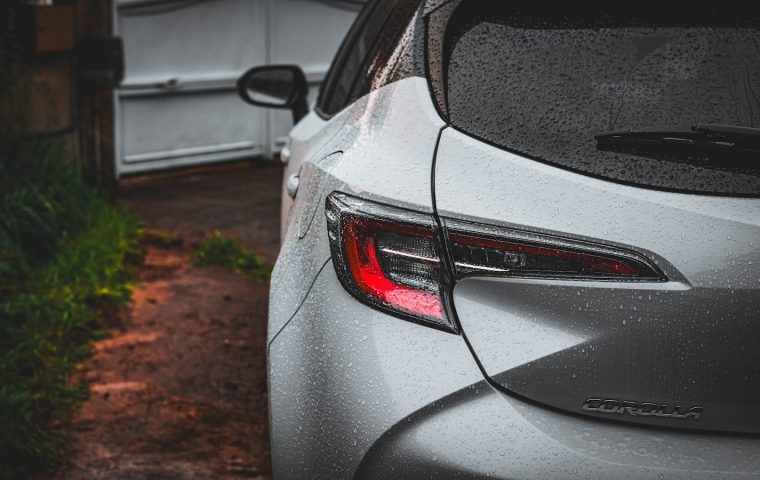
This is the pick for the commuter who doesn't actually need a big SUV but wants the height and the cargo hatch. It's smaller than a RAV4, cheaper to buy, and the hybrid returns mileage that feels almost unfair.
The trade-off is space. Two adults and a couple of kids are fine, but a full family road trip with luggage gets tight. For a single commuter or a small household, though, the running costs are tough to beat.
Toyota resale strength applies here too, so depreciation stays gentle.
8. Nissan Rogue
The Rogue surprised me. The interior punches above its price, the seats are comfortable on long drives, and the three-cylinder turbo engine is more refined than the spec sheet suggests.
It's a strong commuter, especially if you can catch a good deal, and Nissan often has room to move on price. This is a car where knowing how to negotiate the out-the-door number can meaningfully change where it lands in your personal ranking.
Resale is middle-of-the-pack, so the value case leans on buying it well rather than holding it forever.
9. Volkswagen Tiguan
The Tiguan earns its spot on driving feel and an available third row, which almost nothing else in this class offers. On the highway it feels planted and grown-up, more like a small midsize SUV than a compact.
The catch is running costs. Fuel economy lags the hybrids, and German-brand maintenance can run pricier as the warranty fades. If you keep cars a decade, budget for that.
It's a value pick for a specific buyer: someone who occasionally needs those extra two seats and prioritizes road manners over the fuel bill.
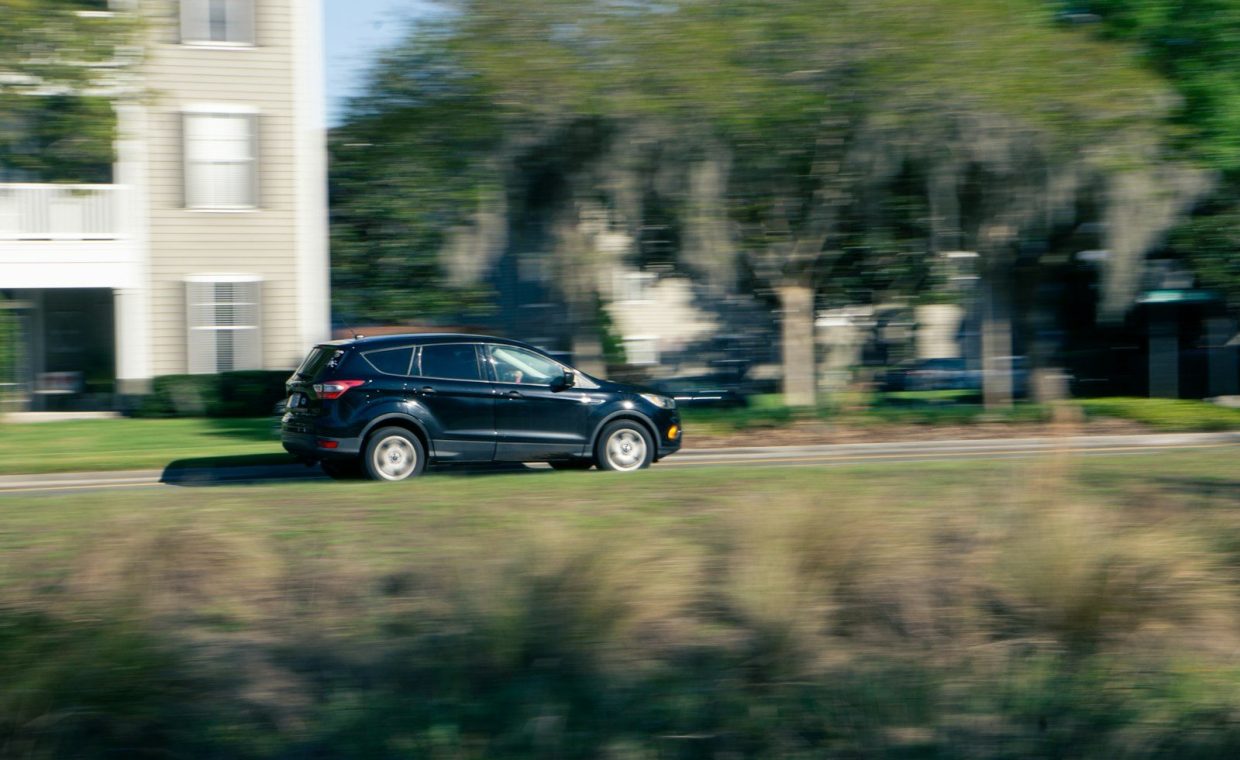
10. Ford Escape Hybrid
The Escape rounds out the list because the hybrid version quietly delivers strong mileage and a comfortable, car-like drive. It's easy to park, light on its feet, and the cabin is more pleasant than the Ford badge gets credit for.
Resale is its weak spot, which is exactly why it can be a smart used buy. Let someone else eat the first two years of depreciation and the value equation flips in your favor.
If you've spent time around Ford's bigger machines, like our hands-on first drive of the F-150, the Escape feels like the sensible, frugal opposite end of the lineup.
For maximum resale, buy the RAV4 Hybrid or CR-V Hybrid. For driving joy, the CX-5 or Tiguan. For the best feature-per-dollar, the Tucson or Sportage Hybrid. For the lowest running costs, the Corolla Cross Hybrid.
Where electric fits into this
I keep getting asked whether buyers should skip all of these and go electric. It depends entirely on your charging situation and your commute. If you can plug in at home and drive predictable distances, an EV can flip the whole cost equation.
I lived with one for a stretch to test exactly that, and you can read what surprised me in our week of living with a Tesla Model 3. The short take is that the math works beautifully for some lifestyles and falls apart for others, and a hybrid compact SUV is often the safe middle ground.
Common mistakes buyers make
The biggest one is shopping by monthly payment alone. Stretch a loan to 72 or 84 months and a cheap-feeling payment can hide thousands in interest and a car you owe more on than it's worth.
The second is ignoring resale until trade-in day. Two similar SUVs can differ by several thousand dollars in value after five years, and that gap dwarfs the heated-seat package you agonized over.
The third is buying more SUV than you use. If you never fold the back seats down, a smaller, cheaper, thriftier model like the Corolla Cross might serve you better and cost less every single month.
Is a hybrid compact SUV worth the higher upfront price?
For most commuters, yes. If you drive a fair amount, the fuel savings plus the stronger resale on hybrids like the RAV4 and CR-V usually recover the premium well before you sell. If you barely drive, a gas model can make more sense.
Which of these holds its value best?
The Toyota RAV4 Hybrid and Honda CR-V Hybrid lead the class on resale by a clear margin. Subaru and Mazda are strong too. Ford, Volkswagen, and Nissan depreciate faster, which is why they often make better used buys than new ones.
New or used for the best real-world value?
For the slow-depreciating Toyotas and Hondas, new can pencil out fine. For faster-depreciating models like the Escape or Tiguan, a two-year-old example lets someone else absorb the steepest drop while you get a nearly-new car for noticeably less.
Rankings like this are a starting point, not a verdict. Drive your top two or three, load them with your actual stuff and your actual people, and pay attention to how each one feels on the roads you really use. Buy the one that fits your life, negotiate it well, and the value takes care of itself. Happy hunting, and tell the salesperson Hannah sent you.