
Della bolted nine hundred dollars of fender-sticker horsepower onto a hatchback that felt exactly the same afterward, only louder. The receipts told the story. A sticker that promised five horsepower, a magnet clamped to the fuel line, a whistle-tip muffler, and a cold air intake she had wrestled on in her apartment parking lot. The four-cylinder pulled away from the curb precisely as it had the week before, just with more noise to announce it.
I see this every week. Good people with real enthusiasm and a paycheck burning a hole in their pocket, pouring money into parts that internet forums swore would wake the car up. Some of it works. A lot of it is theater.
I've been turning wrenches long enough to watch the same five myths cost folks real money, decade after decade. Let me walk you through them so your next upgrade actually does something.
A Cold Air Intake Adds Big Horsepower
The pitch is simple and seductive. Cooler air is denser, denser air burns better, so a fancy intake must mean free power. Shops love selling them because they're cheap to stock and easy to install in twenty minutes.
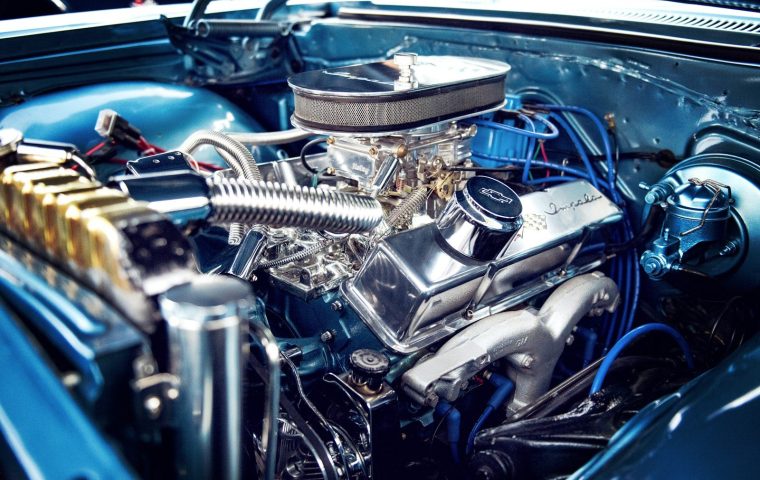
Here's the concrete reality. On a typical naturally aspirated daily driver, a quality intake might net you three to five horsepower at the crank, and that's on a good day with a tune to match. You will not feel that in the seat of your pants. What you'll feel is a louder induction sound, which your brain helpfully interprets as "faster."
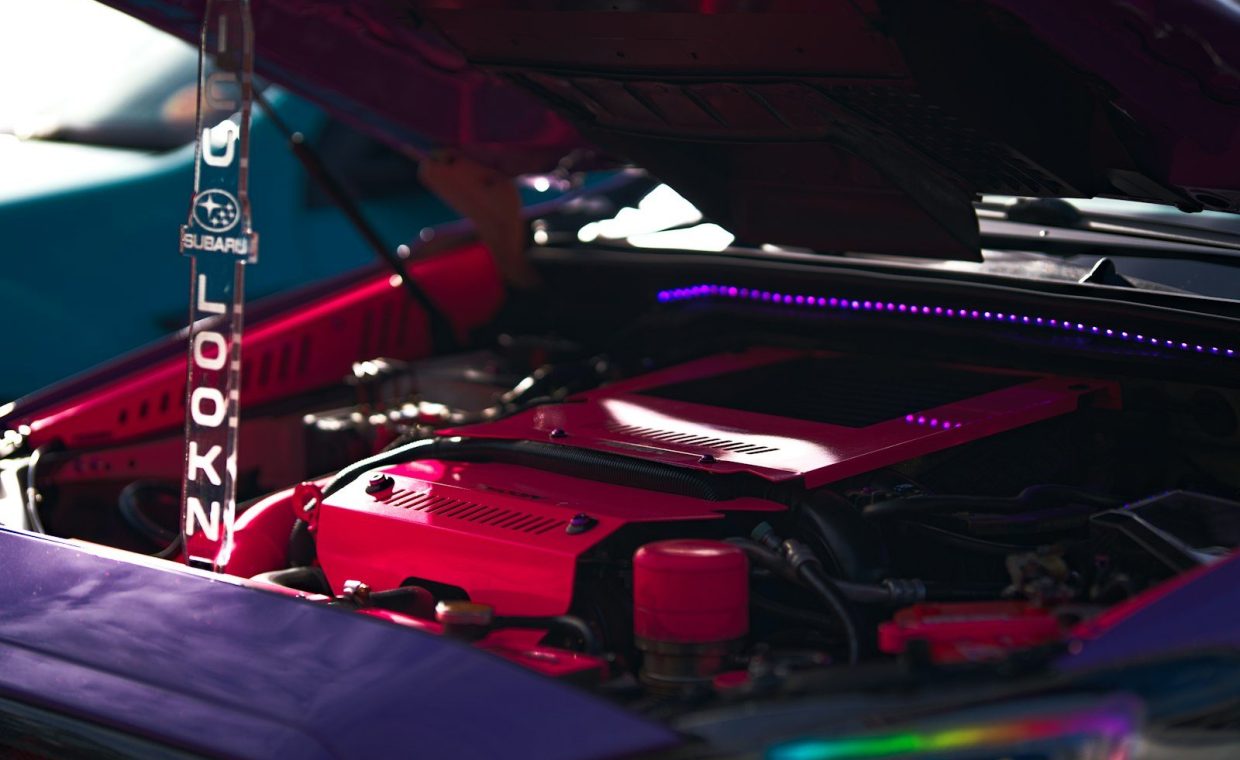
That said, intakes aren't worthless. On a turbocharged or supercharged setup, a better intake can support real gains because the engine is moving far more air. I wrote a full breakdown of where these parts help and where they don't in my piece on how cold air intakes actually work, and it's worth reading before you buy.
On a stock economy car, an intake is mostly a sound mod. On a boosted engine with proper tuning, it can be part of a genuine power package. Know which car you have.
Premium Fuel Makes Any Engine Faster
I get asked this constantly. A neighbor of mine was filling his commuter sedan with 93 octane for two years, convinced it was protecting the engine and adding pep. His owner's manual called for 87.
Octane is not a measure of power or quality. It's a measure of resistance to knock, the premature detonation that can hurt an engine. High-compression and forced-induction engines need that resistance, so they require premium. A standard engine designed for regular gets nothing from premium except a lighter wallet.
Run the numbers. If premium costs sixty cents more per gallon and you burn fifty gallons a month, you're spending around three hundred and sixty dollars a year for zero benefit. That's a set of decent tires.
Your fuel filler door or owner's manual states the required octane. If it says "regular unleaded," that's not a suggestion to upgrade. It's the fuel the engineers tuned the car around.
The exception matters though. If your manual says "premium required," using regular can trigger knock retard and actually rob power and economy. Match the fuel to the engine, not to your ego.
Lowering Springs Always Mean Better Handling
Slammed cars look incredible. I'm not going to pretend otherwise. But buying the cheapest lowering springs off a marketplace listing and calling it a handling upgrade is one of the most common mistakes I see.
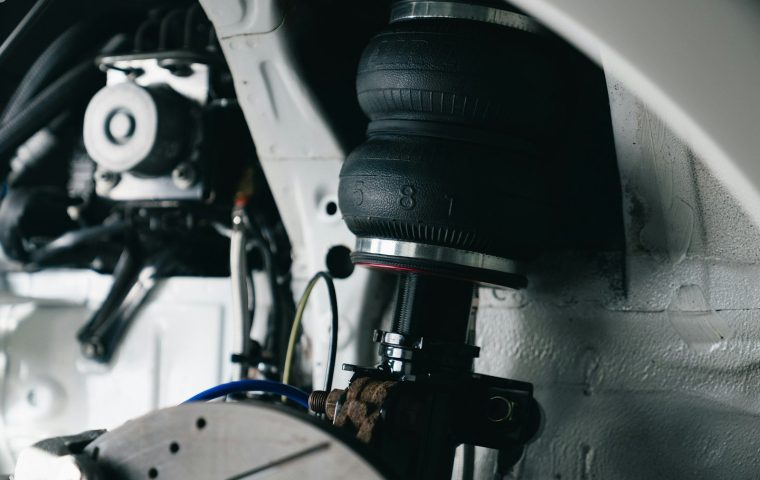
Lowering the car drops the center of gravity, which is genuinely good for cornering. The problem is that budget springs paired with worn factory shocks throw off your suspension geometry, ruin your ride quality, and chew through tires from bad alignment angles.
I had a customer come in with a car that pulled to one side and ate the inside edge of both front tires in six thousand miles. The springs cost him a hundred and twenty dollars. The new tires and corrected alignment cost him far more than a proper coilover kit would have in the first place.
What Actually Improves Grip
Handling lives at the contact patch, which is your tires. A good set of summer or performance tires transforms a car more than almost any suspension part under a thousand dollars. If you're chasing corner speed, start there, and I broke down what to look for in my guide on how to choose performance tires for grip.
Springs without matched dampers is a recipe for a bouncy, unpredictable car. If you lower it, budget for shocks, an alignment, and possibly camber adjustment. Half a suspension job is worse than none.
Fuel Additives and Magnets "Optimize" Your Engine
This category is where the gimmicks get truly silly. Magnets clamped to fuel lines that supposedly align molecules. Pills you drop in the tank for ten extra horsepower. Stickers and chips that plug into nothing.
None of it works. Fuel is liquid hydrocarbons, not iron filings, so a magnet does nothing to it. There is no physics behind a tank pill making meaningful power. If these worked, every automaker chasing fuel economy targets would install them at the factory for pennies.
Della had spent eighty dollars on that fuel-line magnet alone. Eighty dollars buys a real maintenance item. A fresh set of plugs, a quality air filter, an oil change with good oil. Those keep your existing power where it should be.
Legitimate fuel system cleaners (the detergent kind from a reputable brand) do have a place for clearing injector and intake deposits. That's maintenance, not a power mod. Don't confuse a cleaner with a "horsepower in a bottle" pill.
More Is Always Better With Modifications
Enthusiasm has a failure mode, and it's stacking parts without a plan. A bigger throttle body, an exhaust that's too large, a wild cam in an otherwise stock engine. Each part might sound good in isolation, but they don't add up the way the forums promise.
Take exhaust diameter. Going too big actually kills low-end torque because you lose the velocity that helps scavenge the cylinders. Your dyno number at redline might tick up while the car feels slower everywhere you actually drive it. I've seen three-inch piping on engines that wanted two and a quarter, and the owners couldn't figure out why it felt gutless off the line.
The cars that get genuinely fast are built around a goal. You pick a target, then choose parts that work together to reach it, usually with a tune tying everything down.
| Where People Waste Money | Where the Money Actually Pays Off |
|---|---|
| Intake on a stock N/A economy car | Quality tires sized for the car |
| Premium fuel in an 87-octane engine | Proper alignment and fresh fluids |
| Cheap springs, no shocks | Matched coilovers or a full kit |
| Magnets, pills, sticker "chips" | A real ECU tune from a reputable shop |
| Oversized exhaust on a small motor | Brakes and pads for repeatable stops |
So Where Should Your Money Go?
Start with the boring stuff that's easy to overlook. Tires, brakes, fresh fluids, and a clean alignment will make almost any car feel better and safer, often for less than one flashy bolt-on.
From there, build with intent. If you want power, a proper tune on the right supporting mods beats a garage full of random parts. If you want handling, chase grip and a balanced suspension before chrome.
And while you're under the hood doing this work, take care of the basics, including knowing how to jump-start your car safely when a battery dies on you mid-project. The fundamentals keep a project car drivable, which is the whole point.
Intakes are mostly sound on stock cars. Premium fuel helps only engines that require it. Springs need matched shocks. Magnets and pills do nothing. Bigger isn't automatically better. Spend on tires, brakes, fluids, and a real tune.
Will a cold air intake void my warranty?
It can, if the dealer can show the intake caused a failure. Under most consumer protection rules they have to prove the part was at fault, but a flagged tune or a damaged sensor from a poorly fitted intake gives them an opening. Keep your stock parts and receipts.
Is it ever worth running premium in a regular-fuel car?
Not for power or longevity. The one gray area is a heavily loaded engine in extreme heat where light knock might occur, but for normal driving in a car spec'd for 87, premium just costs you more for nothing measurable.
What's the single best first mod for a daily-driven car?
A good set of tires sized correctly for your car. Nothing changes how a car stops, turns, and accelerates in the real world more for the money. Pair that with a fresh alignment and you'll feel the difference every drive.
None of this means you should stop modifying your car. Building something with your own hands is one of the best parts of owning one. Just spend with your eyes open, ignore the parking-lot mythology, and put your dollars where the physics actually back them up. Your wallet and your lap times will both thank you.