
Ask any forum full of new modders and the same question shows up within the first ten posts: does a cold air intake actually add power, or does it just make the engine louder? It's a fair thing to wonder, because the parts look fast, the boxes promise double-digit horsepower, and the car genuinely sounds meaner the second you turn the key. The trouble is that "sounds meaner" and "makes more power" are two completely different claims, and the gap between them is exactly where the marketing lives.
So let's settle it honestly. I've installed dozens of these things over the years, dyno-tested a fair number, and pulled more than a few back off because they caused problems. Here's what a cold air intake really is, what it can and can't do, and whether your money lands as horsepower or just sound.
What a Cold Air Intake Actually Is
Strip away the branding and an intake is simple. It's a path for air to reach your engine, usually a less restrictive filter plus smoother tubing that replaces the stock airbox and snorkel.
The "cold" part is the whole pitch. Cooler air is denser, denser air carries more oxygen, and more oxygen lets the engine burn a little more fuel for a little more power. That physics is real. Where it gets fuzzy is how much of that cold air your specific setup actually delivers.
Here's a concrete example. Your factory airbox usually pulls air from a sealed duct near the grille, where it's relatively cool and shielded from engine heat. A cheap "cold air intake" that's really just an open cone filter sitting in the engine bay can end up gulping hot air off the exhaust manifold. That's warmer than stock, which means you can actually lose a hair of power while the car sounds angrier.
An intake doesn't create power on its own. It removes a restriction. If the factory intake was barely restrictive to begin with, you're paying for a sound, not a gain.
The Horsepower Claims, Decoded
Open any intake box and you'll see a number. "Adds up to 15 horsepower." Read that "up to" very carefully, because it's doing a lot of work.
On a naturally aspirated economy car, the honest figure is usually small, often around 3 to 7 horsepower at the crank, and you'll only feel it at the very top of the rev range where most people never drive. On a healthy daily commute, you may never notice it at all.
The myth I hear constantly is that every car is "choked" from the factory and an intake "lets it breathe." Modern engines are engineered around their intake systems. Automakers spend real money making airboxes efficient and quiet. They're not leaving 15 free horsepower on the table to annoy you.
Where the gains are real
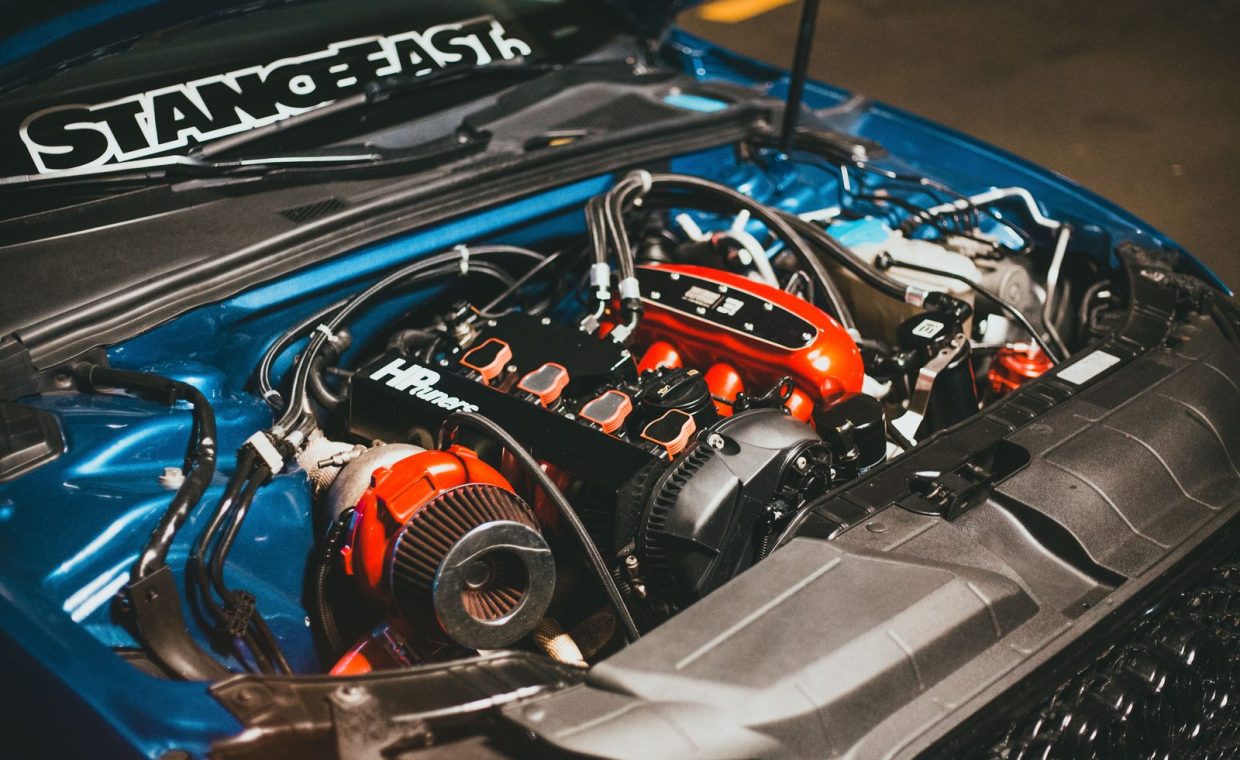
Turbocharged and supercharged engines are a different conversation. A forced-induction motor moves a lot more air, so intake restriction matters more, and a good intake can genuinely help, especially once you add a tune. A turbo sedan is actually a reasonable candidate for an intake. The problem is when an owner has no tune and no data, just vibes.
Cold Air vs. Short Ram vs. Stock
People throw these terms around like they're interchangeable. They aren't, and the difference is mostly about where the filter sits.
| Type | Filter location | Real-world trade-off |
|---|---|---|
| Stock airbox | Sealed, fed by cool outside air | Quiet, reliable, surprisingly efficient |
| Short ram intake | Open cone in the engine bay | Loudest, but sips warm engine-bay air |
| Cold air intake | Tube routed down toward the fender or bumper | Cooler air, but risks water ingestion |
A true cold air intake routes the filter low and forward, near the bumper or inside the fender, to grab genuinely cool air. That's the version most likely to add measurable power. It's also the version most likely to drink a puddle.
The Hydrolock Risk Nobody Mentions in the Ad
This is the part that turns a fun mod into a blown engine, so I want to be blunt about it.
If you mount the filter low in the fender and drive through standing water, that filter can suck in water instead of air. Water doesn't compress. When a cylinder full of it tries to fire, something bends or breaks, usually a connecting rod. That's called hydrolock, and it can total an engine in one flooded intersection.
If you live somewhere it rains hard or floods, a low-mounted cold air intake is a real gamble. A bypass valve or a higher filter location helps, but the safest choice is sometimes the stock airbox you already own.
I've replaced exactly one hydrolocked motor that started life as a routine intake install. The owner saved $40 skipping the bypass valve and spent thousands on a long block. Not a trade I'd make.
Sound, Feel, and the Placebo Effect
Let's be fair to the intake. There's a real reason people love them, and it isn't all imaginary.
You get that turbo whoosh, the throttle-blip growl, the induction noise that makes the car feel alive. For a lot of enthusiasts, that's genuinely worth the money, and I won't pretend otherwise. Driving should be fun.
But understand what you're buying. The sound makes the car feel faster, which makes you drive it harder, which makes you think the intake did something. That feedback loop is powerful, and it's exactly what a dyno is for. If you want to know whether you gained power, you measure it. If you just want it to sound mean, that's a perfectly honest reason to buy one too. Just call it what it is.
Many shops offer a dyno pull for around $80 to $150. Run a baseline before the install and another after. The graph won't lie to you the way your butt-dyno will.
Where Your Money Goes Further
If your real goal is a car that's quicker and more satisfying to drive, an intake is rarely the first dollar I'd spend. I'd rather see that budget go somewhere you'll feel every single drive.
Tires top my list. The right set of performance tires that actually put power to the road will transform how a car launches, corners, and stops far more than 5 horsepower ever could. Power you can't grip is just noise and tire smoke.
Stopping matters just as much as going. If you're driving harder because the car sounds fast, look at brake upgrades that genuinely improve stopping performance before you chase intake horsepower. Going faster is cheap. Stopping reliably is what keeps you out of the ditch.
And honestly, before any of it, get the fundamentals right. A clean engine running fresh fluid responds better to every mod, so learning to handle your own oil changes at home pays you back in both money and mechanical confidence. A neglected engine won't reward a fancy intake.
So, Is It Worth It?
Here's my honest field guide after years of installing these.
- Naturally aspirated daily driver, no other mods: mostly sound, very little measurable gain.
- Turbo or supercharged car with a supporting tune: a real, useful upgrade.
- You want the noise and you know that's what you're buying: go for it, just mount it safely.
- You live somewhere wet and skip the bypass valve: please don't.
An intake isn't a scam. It's a small, specific tool that gets oversold to people who'd be happier spending the money elsewhere. Match it to the right car and the right goal, and it earns its place. Bolt it onto the wrong car expecting magic, and you've bought an expensive sound effect.
Intakes remove a restriction, they don't manufacture power. Gains are small on stock N/A engines and meaningful on tuned forced-induction cars. The sound is real and valid, the hydrolock risk is real and serious, and a dyno is the only thing that settles the argument.
Will a cold air intake void my warranty?
It can, if the manufacturer can show the intake caused the failure, which is common with hydrolock claims. A dealer generally can't void your whole warranty over a part, but they can deny a specific related repair. Keep your stock airbox in a box for warranty visits.
Do I need a tune after installing an intake?
On most naturally aspirated cars, no, the factory computer adjusts fine on its own. On turbo and supercharged setups, a tune is where the intake actually starts paying off, and without one you're mostly just adding noise.
Why does my car feel faster if the dyno barely moved?
That's the induction sound doing its job on your brain. Louder feels quicker, so you drive with more confidence and throttle. It's a genuine experience, it's just not extra horsepower.
If you're on the fence, be honest with yourself about which one you're chasing: numbers or noise. Both are fine reasons to spend money on a car, but they lead to different parts and different budgets. Pop the hood, look at where that filter really sits, and make the call with your eyes open. That's the whole game.