
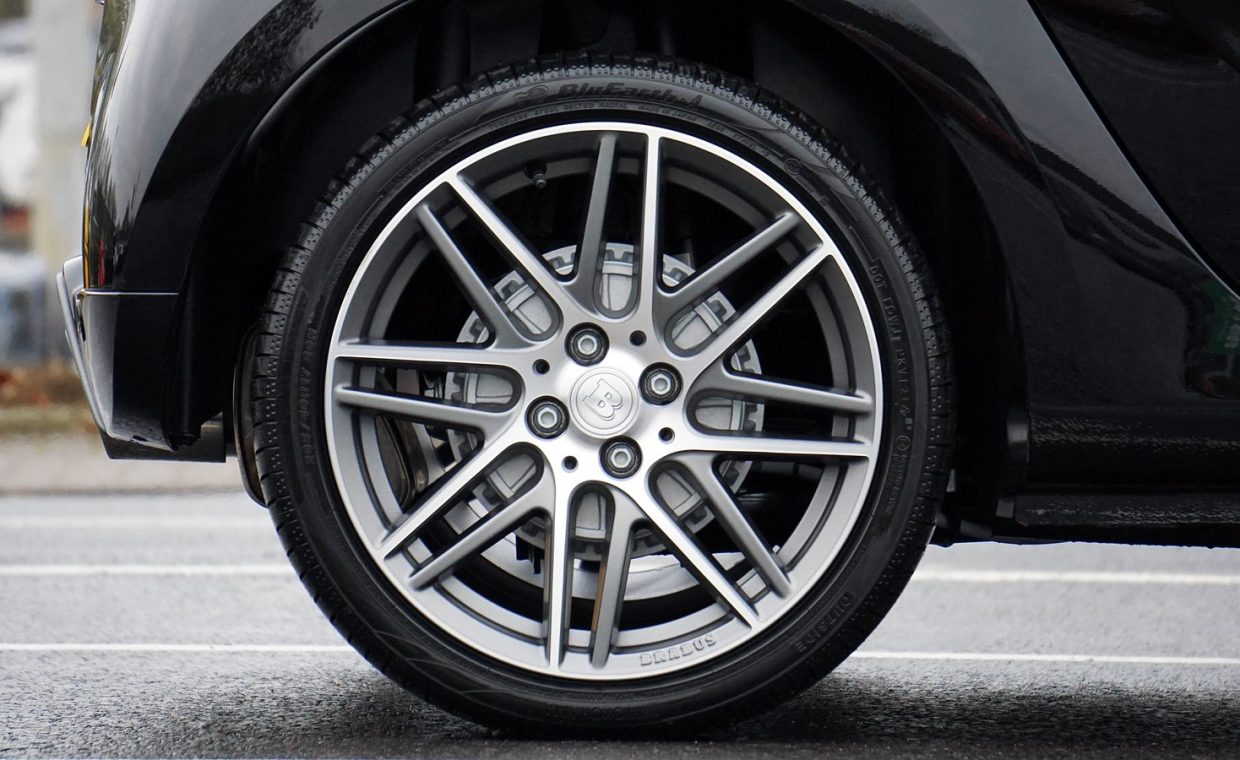
The single biggest grip upgrade most drivers skip is the one touching the road. People pour money into power, intakes, tunes, and big brake kits while running whatever tires the car came on, then wonder why the car feels lazy turning in. Every bit of acceleration, braking, and cornering passes through four contact patches each about the size of your palm. Cheap or worn rubber caps everything else you have spent, and no amount of horsepower fixes a tire that lets go early.
The catch is that the most aggressive tire is rarely the smartest buy. A 200-treadwear track tire can post incredible numbers for twenty minutes a month and feel miserable the rest of the time, hammering over expansion joints, droning on the highway, and wearing out after a single autocross weekend. Buying a track tire for a car that lives 95 percent of its life on the road is one of the most common and expensive mistakes enthusiasts make.
Grip, comfort, and tread life pull against each other like three kids fighting over a steering wheel. You usually can not max out all three, but you can land in a smart spot if you shop in the right order. Here is the sequence I walk people through.
Be Honest About How You Actually Drive
Before you read a single review, write down your real usage split. Not the fantasy version where you are at the track every weekend, the actual one.
Most enthusiasts I know land somewhere around 90 percent street commuting, errands, road trips, and maybe 10 percent spirited canyon or occasional track days. If that sounds like you, your tire should be chosen primarily for the street, with track capability as a bonus, not the other way around.
If you track your car fewer than six times a year, a max-performance summer tire will usually serve you better than a dedicated track tire. The track tire wins on lap times but loses everywhere else you spend your time.
Write down three numbers: rough annual mileage, number of track or autocross days per year, and your lowest expected winter temperature. Those three figures will eliminate half the tires on the market before you even start comparing brands.
Pick the Right Category First, Brand Second
People obsess over brand names when the category matters far more. A mid-pack tire in the right category beats a "better" tire built for the wrong job. Here is how the main street-oriented categories actually behave.
| Category | Typical Treadwear | Best For | Comfort Tradeoff |
|---|---|---|---|
| Grand Touring Summer | 340-500 | Comfort-first daily, light spirited driving | Excellent ride, quiet |
| Ultra-High-Performance Summer | 240-340 | Daily plus weekend backroads | Good ride, mild noise |
| Max-Performance Summer | 180-280 | Aggressive street, occasional track | Firmer, louder |
| Extreme/Track (200TW) | 180-220 | Frequent track, autocross | Harsh, noisy, short life |
For the street driver who tracks a few times a year, the sweet spot is almost always Ultra-High-Performance or Max-Performance Summer. You get most of the grip a 200-treadwear tire offers on public roads, where you can never legally use the difference anyway, plus a ride you can live with on Monday morning.
What the treadwear number really tells you
Treadwear is a relative rating, not a mileage promise, and brands grade themselves so comparisons across companies are loose. Still, within a sane range it is a useful proxy. A 300-treadwear tire will generally last roughly twice as long as a 150 and ride noticeably softer.
Match the Tire to Your Climate, Not Just Your Car
This is where I see expensive mistakes. Summer performance tires turn hard and frighteningly low on grip once temperatures drop into the 40s Fahrenheit, and they can crack if you try to use them through a real winter.
If you live somewhere with genuine cold, you have two honest options. Run a dedicated summer set and store it when temps fall, then swap to winter tires, or accept a high-performance all-season as a compromise.
A summer tire below about 45 degrees Fahrenheit can have less grip than a worn all-season. If you commute on cold mornings, do not let a track-day fantasy push you into rubber that is dangerous half the year.
Modern max-performance all-seasons have gotten genuinely good. You give up maybe 10 to 15 percent of dry grip versus a summer tire, but you gain year-round usability and longer life. For a lot of one-car enthusiasts, that trade is worth it.
Read the Comfort Clues Before You Buy
You can predict ride quality from the spec sheet and reviews if you know what to look for. Three things matter most.
- Sidewall stiffness: Stiffer sidewalls sharpen steering but transmit more harshness. Reviews that praise "razor-sharp turn-in" often quietly mean "rough over bumps."
- Noise ratings: Many retailers publish measured or surveyed noise scores. Aggressive tread blocks and big voids equal more highway drone.
- Compound softness: Softer compounds grip harder and absorb small impacts better, but wear faster. It is the most direct grip-versus-life lever you control.
Scan written reviews for the words "loud," "hum," and "harsh." If a tire has hundreds of reviews and the same complaint keeps surfacing, believe the pattern. One angry review is noise, fifty is a signal.
Tire size and sidewall height matter too. Going to a lower-profile setup looks great and crisps up handling, but a 35-series sidewall has far less cushion than a 45-series. If comfort is a priority, do not chase the thinnest sidewall the fitment allows.
Make Sure the Rest of the Car Can Use the Grip
Tires do not work in isolation. Bolting sticky rubber onto a car with tired everything else is like putting racing shoes on someone with a sprained ankle. You will feel the limits of the weak parts faster, not less.
If you are upgrading tires specifically to enjoy more grip, look hard at your stopping power too. Better tires let you carry more speed into a corner, which means you are asking more of the brakes, so it is worth understanding which brake upgrades that actually move the needle before you spend on pads and rotors you do not need.
Suspension is the other half of the equation. Grippier tires expose a soft or worn setup, and how you firm things up changes the ride math. The choice between coilovers and lowering springs affects comfort as much as your tire pick does, so plan them together rather than one at a time.
If your budget is limited, fresh tires and good brake pads beat almost any other handling mod dollar for dollar. Aero and engine work come later. The contact patch is where everything happens.
Mount, Set Pressures, and Break Them In Right
A great tire set up badly feels mediocre. After mounting, do not just trust the door-jamb pressure if you have changed tire type or size. Performance tires often want a slightly different cold pressure for the best balance of grip and ride.
Start at the placard pressure, then experiment in 2 psi steps. A touch lower softens the ride and adds grip on the street, but go too far and you hurt fuel economy, wear the edges, and risk overheating on a track day.
New tires also need a gentle break-in for the first 100 to 200 miles while mold-release compounds wear off the surface. Drive normally and avoid hard launches and aggressive cornering during that window. And keep an eye on your dash, because new rubber can trip a sensor. If a light pops on after the swap, a quick read of your dashboard warning lights and what they mean will tell you whether it is just a TPMS relearn or something worth a closer look.
Choose for your real usage split, pick the category before the brand, respect your climate, read the comfort clues, support the tires with brakes and suspension, then dial in pressures. Do that order and you keep most of the grip without losing your sanity on the commute.
Are 200-treadwear track tires worth it for a street car?
Only if you track or autocross often, think roughly monthly or more. On public roads you can rarely use the extra grip, and you pay for it with a harsh ride, more noise, and tread that can wear out in a single season. Most street drivers are happier on a max-performance summer or ultra-high-performance tire.
How much grip do I give up by choosing an all-season over a summer tire?
On a good modern max-performance all-season, expect to lose somewhere around 10 to 15 percent of dry grip and a bit more in the wet at the limit. In exchange you get year-round usability and longer life. For a single daily-driven car in a cold climate, that trade is usually worth it.
Will lower tire pressure give me more grip without hurting comfort?
A small drop, around 2 psi below placard, often improves both ride and street grip slightly. Go too far and you create vague handling, faster edge wear, worse fuel economy, and overheating risk under hard use. Adjust in small steps and check tire temperatures if you push hard.
I keep coming back to one idea with my friends: buy the tire you will enjoy on Tuesday, not just the one that posts a quick lap on Sunday. A set you actually like living with gets driven more, and a car that gets driven is the whole point. Measure your real life first, then go grab some rubber and pick the set that fits the way you really drive.