
A buddy of mine dropped his Civic on lowering springs the week he bought it. He saved up for the parts, spent a Saturday in his garage, and rolled out of the driveway sitting an inch and a half lower with a stance that made him grin every time he walked up to it.
Six months later he was asking me how much it would cost to "go back" because the ride had beaten him down on his daily commute, and the front bumper had kissed every steep driveway in town. He had not done anything wrong, exactly. He just bought the cheaper option without thinking hard about what he actually wanted the car to do.
That is the real fork in the road for most people upgrading their suspension. Coilovers and lowering springs both get you lower and both sharpen things up, but they ask for very different amounts of money, patience, and tolerance for a stiff ride. Let me walk you through how I think about it.
What Each Setup Actually Is
Lowering springs are the simplest version of the idea. You unbolt your factory springs, bolt in shorter, stiffer ones, and reuse your stock shocks or dampers. The car sits lower, body roll drops, and you keep most of your original hardware.
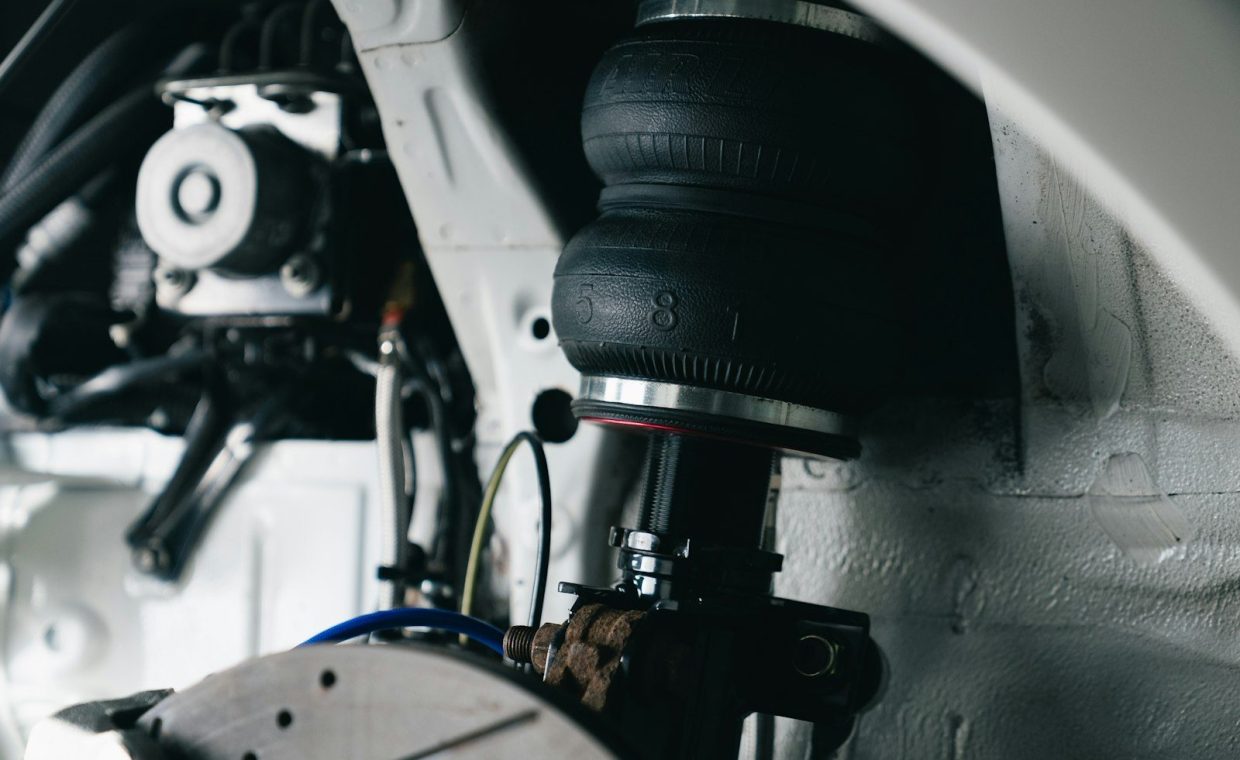
Coilovers replace the whole spring-and-damper assembly as one unit. The spring threads over an adjustable body, so you can dial ride height up or down by turning a collar. Most decent sets also let you adjust damping, which is how stiff or soft the shock feels over bumps.
The short version: springs change one variable, coilovers hand you a control panel. That difference shapes everything else, from the price tag to how the car rides on a Tuesday morning.
The Money Conversation
This is usually where the decision starts, and honestly it should be. A quality set of lowering springs runs around $200 to $350. Pair them with a basic alignment afterward and you are out the door for a few hundred bucks if you do the labor yourself.
Coilovers are a different league. Entry-level sets start around $700 and the good stuff from reputable brands climbs past $1,500 or $2,000. Add installation and an alignment, and a coilover project can cost three or four times what springs do.
Those $300 no-name coilover kits you see online are tempting, but cheap valving and soft metal can ride worse than stock springs and wear out fast. A good set of lowering springs almost always beats a bad set of coilovers.
There is a hidden cost on the spring side too. If your factory shocks are tired, stiffer springs make them work harder and they can fail sooner. Sometimes the honest move is fresh shocks plus springs, which closes the price gap with budget coilovers more than people expect.
How They Feel To Live With
Here is where my friend got burned. Lowering springs are a fixed compromise. The spring rate is whatever the manufacturer chose, your stock shocks are not tuned for it, and you live with that ride every single day whether you like it or not.
On smooth roads springs feel great. On broken pavement, expansion joints, and that one pothole you forgot about, a stiff spring on a soft factory shock can get bouncy and harsh in a way that wears on you over a long drive.
Coilovers, when they are quality units, let you tune for your reality. Soften the damping for your commute, firm it up for a canyon run or a weekend event. You can also set the ride height to clear your driveway instead of accepting a single dropped stance you cannot change.
Any time you change suspension, pay attention to new sounds in the first few weeks. A fresh clunk or knock over bumps usually means a loose bolt or a worn part the upgrade exposed. It is worth knowing which car noises you should never ignore before you write one off as "just the new setup."
Handling: Where The Numbers Get Fun
Both options lower your center of gravity and reduce body roll, so both will feel sharper than stock through a corner. For a spirited backroad drive, lowering springs deliver most of the grin for a fraction of the cost.
The gap opens up when you push harder. Coilovers let you balance the car with damping and height adjustments, dialing out understeer or settling a nervous rear end. That control matters once you start chasing real pace.
If a track day is anywhere in your future, this is the deciding factor. Being able to adjust the car to the surface and your driving style is a big part of getting a car ready for its first track day, and it is something springs simply cannot offer.
Springs make the car feel better. Coilovers let you make the car feel right for a specific situation. That distinction is the whole ballgame.
Side By Side Comparison
| Factor | Lowering Springs | Coilovers |
|---|---|---|
| Typical cost | Around $200-$350 | Around $700-$2,000+ |
| Ride height | Fixed drop | Adjustable |
| Damping | Stock shocks, not adjustable | Usually adjustable |
| Daily comfort | Hit or miss, depends on roads | Tunable to your commute |
| Track potential | Limited | Strong |
| Install difficulty | Moderate, DIY friendly | Moderate to involved |
| Best for | Looks plus mild handling on a budget | Serious handling and flexibility |
Which One Wins For Whom
If your main goal is a cleaner stance and a slightly tighter feel, and your budget is tight, lowering springs win. They are the right call for the daily driver owner who wants to look and feel a step up from stock without rebuilding the car or the bank account.
If you care about ride quality over rough roads, plan to do track days or autocross, or just want the freedom to tune the car as your goals change, coilovers win. You pay more up front, but you buy adjustability you will keep using for years.
If you cannot decide, ask one question: will this car ever see a track or aggressive driving? If yes, save up for coilovers. If it is purely a street car you want a touch lower and sharper, springs plus good shocks are plenty.
One more thing worth saying. A suspension upgrade is mechanical, not magic. It does not add power, and it will not fix a car that is slow in a straight line. If you are also eyeing engine mods, treat that as a separate project with its own homework, including the real basics and risks of ECU tuning before you touch the software.
Budget and looks with a side of handling: lowering springs. Comfort tuning, future track days, and long-term flexibility: coilovers. Match the spend to how you actually drive, not to the photos you scroll past online.
Will lowering springs ruin my ride quality?
Not necessarily, but they can feel harsh on rough roads because stiffer springs run on shocks that were not designed for them. On smooth pavement most quality springs feel fine. If your area is full of potholes and bad joints, adjustable coilovers will treat you better.
Do I need new shocks if I install lowering springs?
Not always, but it is smart. Stiffer springs make worn shocks fail faster, so if yours have high miles, budget for shocks at the same time. Pairing fresh shocks with springs gets you closer to coilover comfort for less money.
Are coilovers worth it for a daily driver?
They can be, if you value comfort tuning and ride height control. A quality set lets you soften the car for commuting and adjust it later for spirited driving. Skip the cheapest kits though, because poor valving on a budget coilover often rides worse than good springs.
Suspension is one of those upgrades that rewards honesty about how you drive. My friend would have been happier saving a little longer for coilovers, while plenty of owners are perfectly thrilled with a clean spring drop and a fresh alignment. Figure out what your car needs to do for you, then spend accordingly. Catch you in the garage.