
Hugo's 2008 Honda Civic ran rough but not broken, a faint stumble on cold mornings that he could not quite place. When he asked my buddy's shop to look it over, the odometer read 281,000 miles. Silver paint, a little oxidized on the roof, one mismatched hubcap, and an engine that idled a hair uneven until it warmed up.
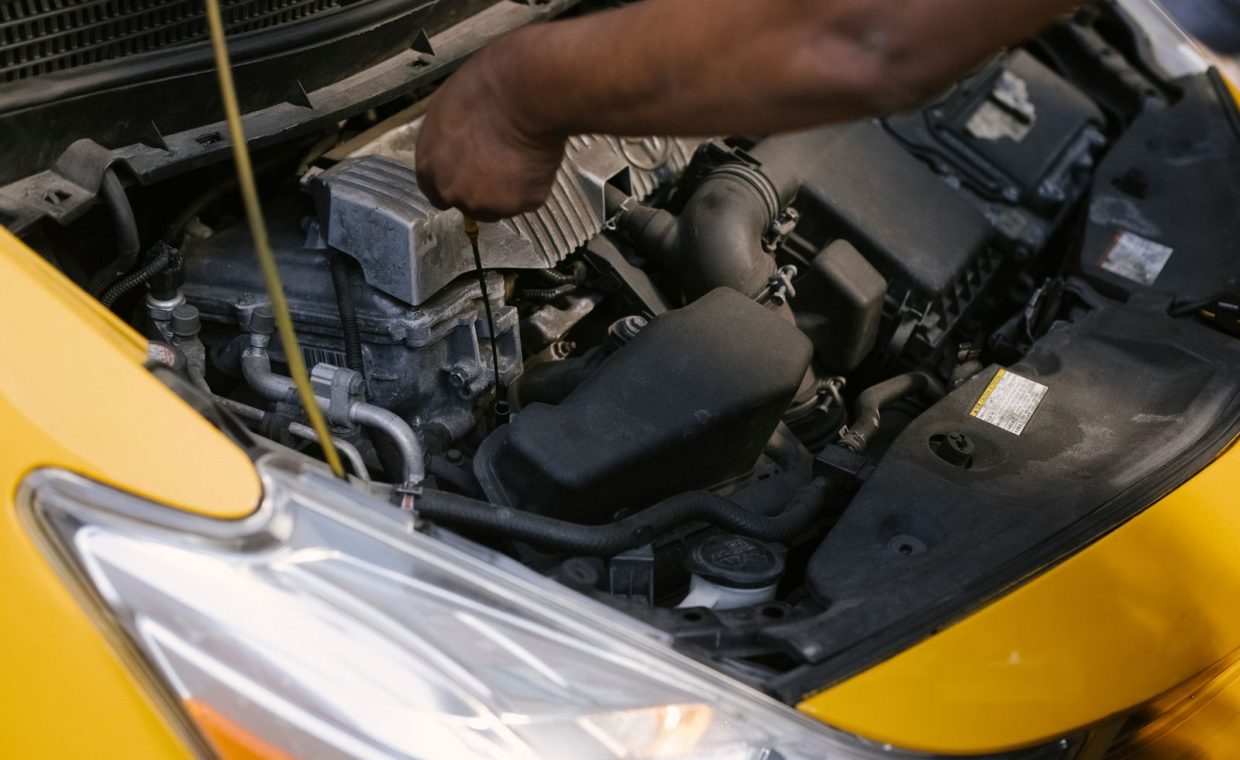
The culprit turned out to be a glazed serpentine belt. Forty bucks and twenty minutes. While I had the hood up, I got curious and asked how long he'd owned the car. Fifteen years, he said, bought it new in 2009. Same Civic. Original engine, original transmission.
That stopped me. Most cars that age are on their second timing component, a rebuilt transmission, or a tow truck. So I asked him the obvious question: what's your secret? He laughed and said there was no secret. He just did the small stuff, on time, every time. I've thought about that answer for years.
Meet the Civic (and Its Owner)
Hugo is not a gearhead. He's a high school chemistry teacher who reads the owner's manual and follows it like a recipe. No performance mods, no chasing power. If anything, he's the opposite of the guys I've watched blow up perfectly good engines.
I once worked on a build where the owner kept pushing for more boost until a rod let go. That whole saga, the way chasing big dyno numbers wrecked an otherwise healthy motor, is the mirror image of what Hugo did. He chased reliability instead of horsepower, and the car rewarded him for it.
His logbook was a cheap spiral notebook in the glovebox. Date, mileage, what he did. Fifteen years of entries in pencil. As a tech, that notebook told me more about the car's health than any diagnostic scan could.
The Routine That Did the Heavy Lifting
Hugo didn't do anything exotic. What made it work was consistency. He treated maintenance like brushing his teeth, not like an emergency you deal with when something rattles.
Here's the core of what he stuck to over fifteen years:
- Oil and filter every 5,000 miles, no excuses, even when the dash light said he had life left.
- Air filter checked at every oil change, replaced when it looked dirty (usually once a year).
- Coolant flushed roughly every 5 years, brake fluid every 3.
- Transmission fluid drain-and-fill every 30,000 miles, which Honda automatics quietly love.
- Spark plugs and a real tune-up inspection around every 100,000 miles.
- Tires rotated every other oil change and replaced before they got scary.
None of that is glamorous. But notice the pattern: small, cheap, frequent. He never let a fluid get old enough to do damage.
The 5,000-mile oil change was the single most important habit. Clean oil is the cheapest insurance you can buy for an engine, and it's the easiest thing to skip when life gets busy. Don't skip it.
Doing It Himself Where It Counted
About half of Hugo's maintenance, he did in his own driveway. Oil changes, air filters, wiper blades, cabin filters, the easy wins. The other half, the stuff needing a lift or special tools, he handed to a shop he trusted.
That split is smart. If you've never done it, learning to change your own oil in the driveway is the best entry point into car care. It's hard to mess up, it saves real money over fifteen years, and it forces you to look under the car regularly, which is where you catch small leaks before they become big ones.
He also knew his limits. He never touched the timing chain side of the engine or the brake hydraulics beyond fluid top-ups. Knowing what to leave to a pro is part of doing it right, and it kept him from turning a cheap job into an expensive mistake.
The One Tool That Earned Its Keep
Hugo kept a basic jump pack in the trunk after getting stranded once in a parking garage. He learned to jump-start the car safely without frying anything, which on a modern car with sensitive electronics matters more than people think. Connect in the right order, mind the polarity, and don't let the clamps touch. Small knowledge, big payoff.
The Math: What the Habit Actually Saved
This is where the case study gets convincing. I sat down with his notebook and added up roughly what he spent on maintenance versus what the same fifteen years usually costs.
| Item | Hugo's Approach | Typical "Fix It When It Breaks" Owner |
|---|---|---|
| Routine maintenance (15 yrs) | Around $6,500 | Around $4,000 |
| Major repairs | Roughly $1,200 | $8,000 or more |
| Transmission | Original, healthy | One rebuild, about $3,500 |
| Replacement car needed? | No | Likely a new car at year 10 |
On paper, Hugo spent more on routine work, about $2,500 extra over the years. But he avoided a transmission rebuild, dodged a string of neglect-driven repairs, and never had to take on a car payment.
That last part is the real money. A replacement car at year ten could easily mean $25,000 to $30,000 financed. The few thousand he "overspent" on oil and fluids bought him five more years of a paid-off, dependable car.
Maintenance feels like spending. It's actually saving. Every $80 oil change Hugo did was a tiny payment against a $3,500 transmission he never had to buy.
What Most Owners Get Wrong
I've seen the failure pattern a hundred times in the shop. It's almost never one big mistake. It's a slow drift of skipped small things that quietly compound.
The classic one is trusting the oil-life monitor blindly while doing mostly short trips, which are brutal on oil. Another is ignoring a coolant flush until the system clogs and the heater stops working in January. Then there's the "I'll get to it next month" transmission service that turns into a clunky, slipping mess.
Deferred maintenance doesn't disappear, it accrues interest. A $150 fluid service skipped today can become a four-figure component failure in a couple of years. The car always sends the bill eventually.
Hugo avoided all of it for one boring reason: he never let himself fall behind. When a service came due, he did it that week. No drama, no debate.
Could You Do the Same?
Yes, and you don't need to be a mechanic. You need a notebook, the owner's manual, and the discipline to treat maintenance as non-negotiable rather than optional.
Start with the basics you can do yourself, build a relationship with one honest shop for the rest, and write everything down. The logbook isn't just for resale, though it helps there too. It's how you spot patterns, like a slowly worsening oil consumption, before they become failures.
Fifteen years from now, the difference between a paid-off runner and a pile of repair bills won't come down to luck. It'll come down to whether you did the small stuff on time.
Change oil on a strict schedule, even when the dash says you can wait. Service transmission and coolant before they're "due" in your gut, not just on the dash. DIY the easy jobs, hire out the rest, and know the difference. Keep a written log. The cheap, frequent habits are what prevent the rare, expensive disasters.
Is changing oil every 5,000 miles really necessary on a modern car?
For a lot of newer engines, the manual allows longer intervals, and that's fine if you follow it. But if you do mostly short trips, sit in traffic, or live somewhere with extreme temperatures, sticking closer to 5,000 miles is cheap protection. Clean oil rarely causes a problem. Old oil often does.
My car has a "lifetime" transmission fluid. Should I still service it?
I'd treat "lifetime" with healthy skepticism. On many automatics, a drain-and-fill every 30,000 to 60,000 miles keeps the fluid clean and the clutches happy. It's a small cost compared to a rebuild, and it's one of the clearest ways to stretch a transmission's life.
How much can I realistically save by maintaining a car well?
The big number isn't the repairs you avoid, it's the replacement car you don't have to buy. Keeping a paid-off car running an extra five years can save you the cost of a whole vehicle. The math on oil and fluids looks expensive until you compare it to a car payment.
Hugo finally retired that Civic at 310,000 miles, and only because he wanted a backup camera and heated seats. The old engine still ran clean. If you take one thing from his story, let it be this: boring, on-time maintenance is the most reliable money-saving trick in car ownership. Grab a notebook and start today.