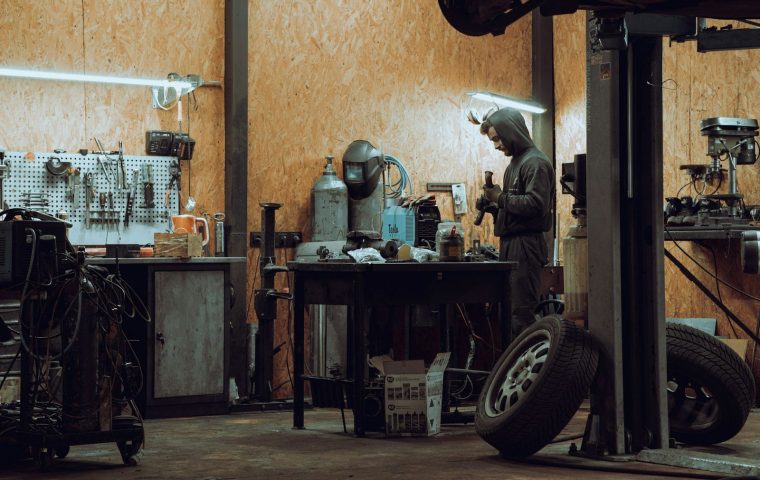

The first time I met Danny, his 2011 Mustang GT was up on jack stands in a buddy's pole barn, hood off, intercooler piping spread across a moving blanket like a patient mid-surgery. He grinned and said the magic number out loud: "Six hundred to the wheels. That's the goal." It was January. He swore it would be done by spring.
I saw that car again almost two years later. Same barn, same jack stands, and a dyno sheet taped to the wall that did, in fact, read just over 600 horsepower. Danny had hit his number. He had also driven the car maybe 400 miles total in two seasons, and he was quietly trying to sell it.
This is a story about how a perfectly good street car got modded straight past the point of being fun. I have watched it happen to a dozen guys, and I have done a smaller version of it myself. The lesson is not "mods are bad." The lesson is that a number on a sheet is not the same thing as a car you actually want to drive.
The Build That Looked Great On Paper
Danny started smart. The GT made around 360 horsepower at the wheels stock, which is plenty of car for most humans. His first round of parts was sensible: a tune, a cat-back exhaust, better pads, fresh fluids.
That stage cost him roughly $1,200 and the car was genuinely better. More responsive, sounded mean, still started every morning and idled like a sewing machine. If he had stopped there, this would be a very short article.
But the dyno sheet from that first tune read about 390 to the wheels, and 390 felt close enough to a bigger number that the bigger number started to feel mandatory. That is the trap. Every result becomes the new floor.
Almost every over-built car follows the same arc: a sensible first stage that actually improves the car, then a jump to a power target that requires supporting mods nobody budgeted for. The second phase is where projects stall.
How A Reasonable Goal Turned Into 600 Horsepower
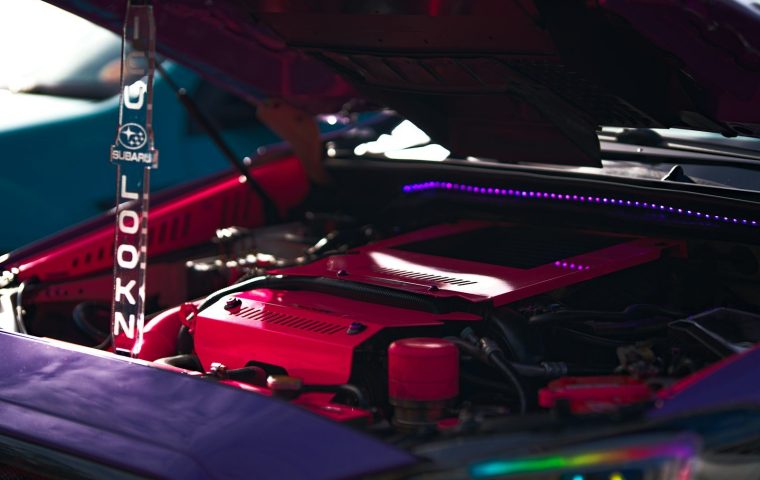
The 390 number led to a forum thread, and the forum thread led to a centrifugal supercharger kit. Once you bolt a blower on a stock-ish GT, you do not just add boost. You start a chain reaction.
More boost meant the stock fuel system became the weak link, so in went bigger injectors and a return-style fuel setup. More cylinder pressure meant the factory clutch would slip, so a twin-disc clutch followed, which made the pedal stiff and the takeup grabby in traffic.
Then the colder spark plugs, the upgraded half-shafts, the bigger radiator, the catch can, the methanol injection to keep intake temps sane. Each part was defensible on its own. Stacked together, they turned a daily-able coupe into a temperamental project.
By the time Danny hit 600, he had spent close to $18,000 on top of the car, and he had a machine that needed a laptop check before any spirited drive and a heat-soak cooldown after one.
The Hidden Costs Nobody Dynos
Here is what the dyno graph never shows you. A 600-wheel-horsepower street car asks for sticky tires that cost real money and last maybe a season. It eats brakes. It is brutal on a stock-style transmission that was never spec'd for that torque.
Insurance got interesting once Danny disclosed the build, and honestly, plenty of guys do not disclose, which is its own gamble. Fuel economy fell off a cliff, not that anyone buys a blown Mustang for the mileage.
The bigger cost was harder to put a dollar on. The car stopped being relaxing. Every drive became an inspection. He told me he started taking his wife's CR-V to get coffee because firing up the Mustang felt like a commitment, not a treat.
On an aggressive build, the headline part (the blower, the turbo kit) is often less than half the total. Supporting mods, consumables, tuning revisions, and the inevitable "while I'm in there" repairs make up the rest. Budget for the chain reaction, not just the marquee part.
The Numbers That Actually Matter On The Street
Peak horsepower is the number everyone quotes because it is the easiest to brag about. It is also close to useless for how a car feels on a back road. What you feel from the driver's seat is throttle response, the shape of the torque curve, and how quickly the car settles after you lift.
A car that makes 420 wheel horsepower with a fat, flat torque curve down low will feel faster and more usable than a peaky 600-horse setup that only wakes up at 5,000 rpm. The peaky car wins the dyno screenshot. The torquey car wins every real drive that involves a corner, a stoplight, or an on-ramp.
Drivability also lives in the boring stuff. Cold-start manners, idle quality, how the clutch engages in stop-and-go, whether the cabin smells like race gas. None of that shows up in a power figure, and all of it determines whether you actually drive the thing.
| Build target | Wheel HP | Daily usable? | Roughly added cost |
|---|---|---|---|
| Bolt-ons and tune | ~390 | Yes, every day | ~$1,500 |
| Mild boost, supporting mods | ~480 | Mostly, with care | ~$8,000 |
| Max-effort blower build | ~600 | Rarely, weekend toy at best | ~$18,000 |
What I Would Have Told Danny In January
If I had been standing in that barn before the supercharger box showed up, I would have asked one question: what do you want this car to do? Win a roll race three times a year, or be the thing you grin in on a Sunday morning?
Those are different cars. Be honest about which one you are building before you spend, because the parts pull in opposite directions. A lot of the upgrades guys chase fall into the same bucket as the classic performance myths that quietly waste money, where the marketing promise and the seat-of-the-pants result never quite line up.
Take intakes. People expect a big power jump and get a sound change plus a few honest horsepower, which is fine if that is what you wanted. I dug into the real story in how cold air intakes actually work, and the short version is that you should buy them for the reasons they deliver on, not the dyno fantasy.
Decide your power target and your usability floor in the same sitting. If a mod pushes power up but drops the car below your usability floor (reliable cold start, civil clutch, drives 50 miles without drama), it does not make the cut, no matter how good the number looks.
The Smarter Path: Build To A Spec, Not A Number
The guys with the cars I actually envy did not chase a peak figure. They picked a usability spec and built up to it. Something like "I want a car that surprises people at a cars-and-coffee, starts in the cold, and drives two hours to the mountains without a meltdown."
That spec naturally caps the build somewhere reasonable, often in the 450-to-500 wheel-horsepower range on a platform like the GT, where the stock supporting hardware is not screaming for mercy. The result is a car that gets driven, which is the entire point.
And do not skip the unglamorous maintenance that keeps a modified car honest. A modded engine punishes neglect faster than a stock one, so the kind of disciplined tune-up routine you would give a 15-year-old daily matters even more here. Fresh plugs, clean fluids, and a real inspection schedule are what separate a fun build from a garage ornament.
Stop at the stage that still drives like a car you enjoy; the first sensible round of mods is usually the best value. Budget for the chain reaction, since the headline part is often under half the real cost. Chase torque curve and drivability over peak horsepower, because that is what you feel on the street. Build to a usability spec, not a dyno screenshot, and keep up the maintenance so the build stays a toy instead of a project.
How much power is too much for a street car?
There is no hard number, but a good rule is to stop where the car still cold-starts reliably, idles civilly, and drives an hour without special prep. On many modern platforms that lands somewhere around 450-500 wheel horsepower before the supporting hardware starts demanding expensive upgrades.
Is a supercharged daily driver a bad idea?
Not automatically. A mild boost setup with proper fueling, cooling, and a streetable clutch can stay daily-friendly. The trouble starts when you push the boost to chase a big peak number and stack on aggressive parts that trade everyday manners for dyno bragging rights.
Can I undo an over-built project car?
Often, yes. Dialing boost back, swapping to a milder clutch, and retuning for drivability can recover a lot of the lost usability without selling the car. It costs money and a tuning session, but it is usually cheaper and less heartbreaking than a fire sale.
Danny did end up selling the Mustang, to a guy who tracks it three weekends a month, which is honestly the right home for that car. His next build is a clean 400-horse coupe that starts every morning, and he could not be happier. If you are staring at a parts cart right now, picture the drive you actually want, then buy backward from that. The best build is the one that never leaves the garage because you keep finding excuses to go drive it.