
There is a particular unease that shows up the first time you watch an EV range estimate fall faster than the miles tick by on the trip computer. You set off with what looked like a comfortable cushion, and a few miles later the gap has shrunk in a way that feels personal, as if the car is counting down toward leaving you stranded. That sinking sensation has a name, range anxiety, and it is one of the most common things that keeps people from going electric.
Here is the reassuring part. That feeling is mostly fixable, and it usually fixes itself within a few weeks of ownership. The numbers on the dash are not lying to you so much as they are reacting to speed, temperature, and terrain in ways a gas gauge quietly hides. Once you understand what the estimate is actually doing and how everyday charging works, the dread fades and the gauge becomes just another readout you barely notice. Let me walk through the pieces so the fear loosens its grip.
What Range Anxiety Actually Is
Range anxiety is the fear that your battery will run out before you reach a charger. It is the EV cousin of staring at a gas gauge, except it feels sharper because charging is unfamiliar and stations are not yet on every corner.
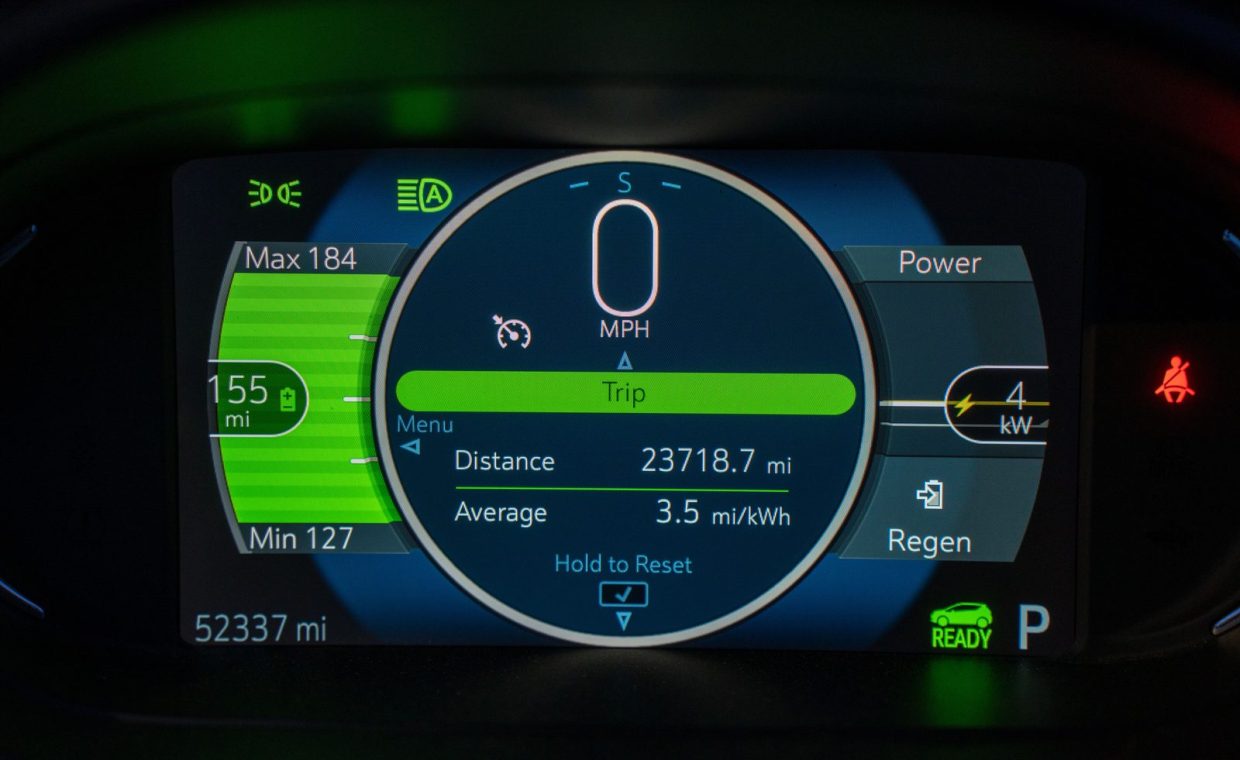
Here is the concrete version. You see "112 miles remaining" on the dash, you have a 90 mile day ahead, and your brain starts doing nervous arithmetic about the margin. With a gas car you would never blink at that. With an EV, the newness makes the same numbers feel risky.
The common myth is that this feeling reflects a real shortage of range. For the vast majority of daily driving, it does not. The anxiety is about trust, and trust builds quickly once you see the car deliver day after day.
Range anxiety is usually a confidence problem, not a capability problem. Most modern EVs have far more range than a typical day demands.
How Much Range You Actually Use in a Day
People dramatically overestimate how far they drive. When I ask someone to guess their daily mileage, they often say 100 or 120 miles. Then they check the odometer trip log and the real number is closer to 35.
Most commutes, school runs, grocery trips, and gym visits add up to somewhere in the 30-50 mile range on a normal day. A car advertised at about 250 miles of range covers that five times over before you would even think about plugging in.
A simple way to find your real number
Reset a trip meter on your current car and drive your normal week. Most folks are shocked. Once you see that you average, say, 40 miles a day, a 250 mile battery stops feeling tight and starts feeling enormous.
Track one ordinary week of driving on a trip meter. That single number tells you more about whether an EV fits your life than any sticker range figure.
Charging at Home Changes the Whole Math
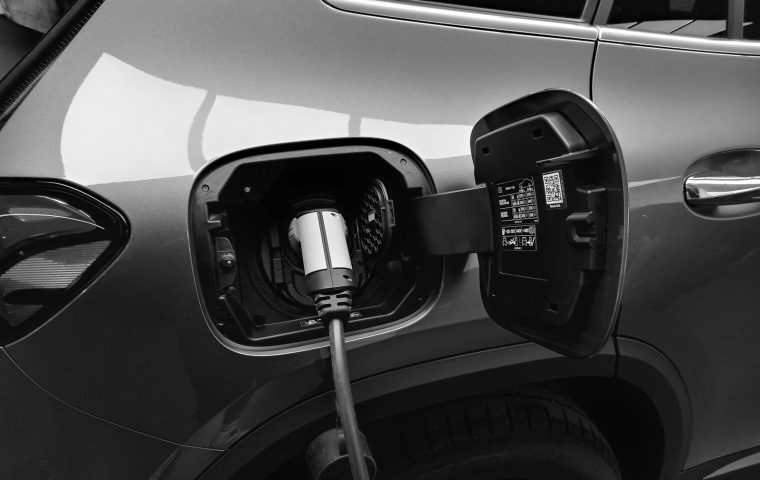
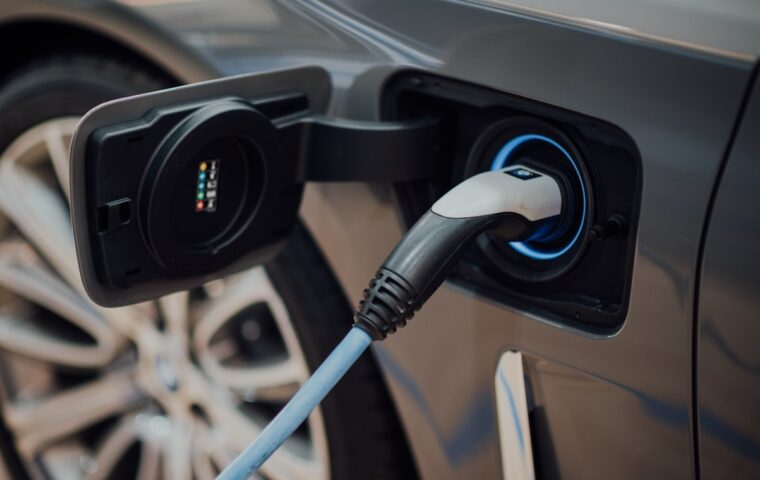
The biggest mental shift is realizing you are not "filling up" anymore. You are topping off. If you have a driveway or garage, the car charges while you sleep, and you leave every morning with a full or near-full battery.
Think about it this way. You never let your phone hit zero and then rush to a charging kiosk. You plug it in at night out of habit. An EV with home charging works the same, just on a bigger scale.
Plug into a standard outlet overnight and you gain plenty of miles back by morning, which is more than enough to replace a typical 40 mile commute. A faster Level 2 home charger fills the battery even quicker, but plenty of people get by on a regular wall outlet for everyday use.
The myth here is that you need a fast public charger nearby to live with an EV. For daily driving, home charging makes public stations almost irrelevant. You start each day full, something a gas car can never do.
The Real Variable: What Drains Range Faster
Your range is not a fixed number, and pretending it is causes a lot of needless worry. A few things move it around, and once you know them, the dash stops surprising you.
- Cold weather. Batteries dislike the cold, and cabin heat pulls energy. Winter range can drop noticeably, sometimes by a fifth or more on a frigid day.
- Highway speed. EVs are most efficient around town. Sustained 75 mph driving uses more energy per mile than stop-and-go city traffic, which is the reverse of a gas car.
- Heavy loads and hills. A loaded car climbing a long grade burns through charge faster, though you claw some back on the descent.
None of this is a defect. A gas car loses fuel economy in the same situations, you just never watched it this closely. The fix is simply planning around the conditions rather than being caught off guard.
If you live somewhere with hard winters, mentally shave a chunk off the advertised range for the coldest months. Preheating the cabin while still plugged in helps a lot, since the energy comes from the wall, not the battery.
Road Trips Are the Real Question, and They Are Manageable
Daily driving is the easy part. The honest worry is the long trip, the 400 mile drive to see family where you cannot just plug in at home. This is where range anxiety has some legitimate roots.
The reassuring part is that the fast-charging network has grown a lot, and the car does most of the planning for you. Punch in a distant destination and the navigation maps charging stops along the way, timed to your battery level.
A typical long-distance rhythm looks like driving a couple of hours, then stopping for 20-30 minutes to charge while you grab coffee and stretch. It is a different cadence than gas, not a worse one, and a little preparation goes a long way. I walk through the specifics in this piece on how to plan a long EV road trip without getting stranded.
The myth is that EVs cannot do road trips. They can. They just ask you to take the breaks that safety experts already recommend on long drives anyway.
How the Car Itself Helps You Relax
Modern EVs are not passive about range. The software is built to keep you informed and to take the guesswork out of your hands. This is a big reason the anxiety fades faster than newcomers expect.
The range estimate, sometimes called a guess-o-meter by owners, learns from your actual driving style and adjusts. Route planning factors in elevation, speed, and temperature to give you an arrival estimate you can trust. Many cars even precondition the battery before a fast charger so it accepts power more quickly.
These are the same kinds of driver-support systems showing up across the industry. If you are curious how the broader suite of assistance features works, I broke it down in this explainer on how ADAS and driver assist features actually work. Range management is just one quiet member of that family.
Daily driving uses far less range than people assume. Home charging starts you full every day. Range varies with weather and speed, but the car helps you plan, and road trips work with short, normal breaks.
A Quick Range Reality Table
To put the everyday numbers in plain terms, here is roughly how typical driving stacks up against a battery in the 250 mile class. These figures are illustrative, since your exact car and conditions will vary.
| Scenario | Rough miles used | How it feels day to day |
|---|---|---|
| Average commute and errands | About 30-50 | Barely touches the battery |
| Busy day with extra trips | About 70-90 | Still plenty of margin |
| Cold winter commute | About 45-70 | Noticeable but easily covered |
| Long highway day | 200 plus | One short charging stop needed |
Look at that first row again. The thing people fear most, running dry, is the row where you use a fraction of what the car holds. That gap between fear and reality is the whole point.
The Cost Angle Most People Forget
One thing that quietly kills range anxiety is the habit of charging at home. Because you start full every morning, you almost never think about "where is the next station." The fuel comes to you.
That convenience usually comes with lower running costs too, especially if you charge overnight on cheaper rates. The math depends on your local electricity prices and how you drive, and I compared the real numbers in this breakdown of EV versus hybrid versus gas ownership costs.
The point is that the same behavior that saves you money, plugging in at home, is also the behavior that makes range worry disappear. They are two sides of the same habit.
How long does range anxiety usually last for new EV owners?
For most people, a few weeks. Once you have plugged in at home a dozen times and watched the car easily cover your daily driving, the worry quietly fades and you stop checking the gauge obsessively.
Do I need a home charger installed before buying an EV?
Not necessarily. Many owners start on a standard wall outlet and find it adds enough miles overnight for a normal commute. A faster Level 2 charger is a nice upgrade, but it is not a requirement for everyday driving if your daily mileage is modest.
What happens if I actually run the battery to empty?
The car warns you repeatedly long before that point and steers you toward chargers. If you somehow ignore all of it and stop, it is like running out of gas: inconvenient and avoidable, but roadside assistance can get you moving again. In practice, the constant warnings make it very hard to do by accident.
If you are on the fence, do the trip-meter experiment for a week and see your real number. I think you will find the gap between what you imagined and what you actually drive is enormous. The battery is bigger than the fear, and the fear does not last long once the routine settles in. Give the routine a month, and that shrinking number on the dash will stop meaning anything at all.