

Pam works at a hospital about 9 miles from home, parks in a garage with a 120-volt outlet, and takes one long highway trip a year to visit family three states away. Over coffee she put the question to me plainly, and on cost alone: should her next car be gas, hybrid, or a full EV? Her commute is short, she has no real home charger to speak of, and she did not want a sales pitch, just the math.
It is a fair question, and the honest answer annoys people because it is not a single winner. The cheapest car to own depends almost entirely on how far you drive, where you charge or fill up, and how long you keep the thing.
So let me walk through the real costs the way I worked them out for Pam, sticker price, fuel or electricity, maintenance, and the slow leak of depreciation, and then tell you which powertrain wins for which kind of driver.
The Four Costs That Actually Decide This
People fixate on the window sticker. That is the loudest number, but it is rarely the one that decides the total bill.
Over a typical 7-year ownership stretch, four buckets matter: what you pay up front, what you spend on energy (gas or kilowatt-hours), what you spend keeping it running, and how much value evaporates by the time you sell.
Get all four on the table and the picture changes. A gas car that looks cheap on day one can quietly cost more by year five if you drive a lot of miles. An EV that looks expensive can pull ahead if your electricity is cheap and you keep it long enough.
Roughly speaking, the more miles you drive per year, the more an efficient powertrain pays you back. A 6,000-mile-a-year retiree and a 22,000-mile-a-year sales rep should almost never buy the same car.
Up-Front Price: Where Gas Still Wins on Day One
Let me be blunt about the part dealers gloss over. On comparable size and trim, a gas car usually has the lowest starting price, a hybrid version of that same car costs somewhat more, and a battery-electric model often costs the most before incentives.
The gap has narrowed a lot. A hybrid premium that used to be a few thousand dollars is now sometimes a few hundred on popular models, and some EVs undercut their gas cousins once you fold in tax credits and dealer pressure on inventory.
Still, if your only goal is the smallest check this month, a basic gas car or a modest hybrid usually wins. The interesting question is what happens after that check clears.
Fuel and Energy: The Slow Drip That Adds Up
This is where EVs make their case and where they can quietly disappoint, so the details matter.
Home charging is the cheat code
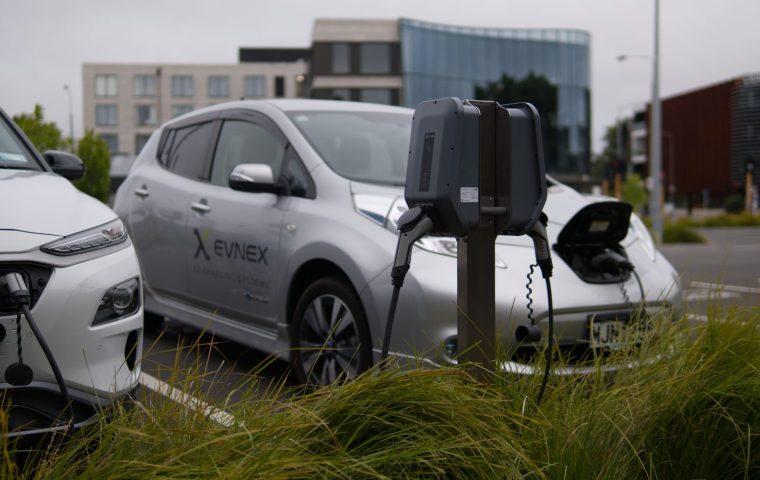
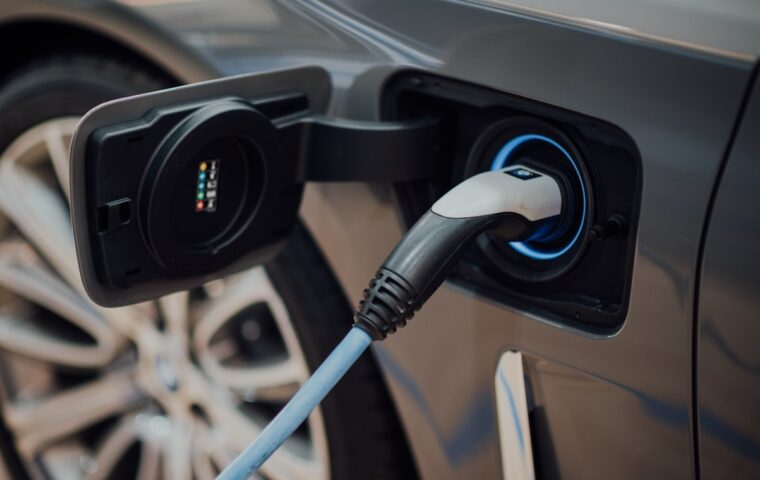
If you can charge at home overnight, an EV is dramatically cheaper to "fill." Plenty of owners spend the equivalent of around a dollar or so per gallon of gas in electricity. Over a year of normal driving, that can mean saving roughly half to two-thirds of what you would hand a gas station.
A hybrid splits the difference. You still buy gas, but a good one sips it, often turning a tank into 45 to 55 miles per gallon in mixed driving. You feel that most in stop-and-go traffic where a gas-only car drinks the most.
Where the EV math breaks down
If you cannot charge at home and you lean on public fast chargers, the savings shrink fast. Fast charging is convenient and expensive, sometimes close to what gas would have cost, and occasionally more.
No home outlet and no charging at work usually kills the EV cost advantage. If that is your situation, a hybrid is often the smarter "electrified" pick. It gives you better mileage without tying your wallet to public charger pricing.
Long trips deserve a mention too. EV road trips are very doable now, but they ask you to plan around chargers, and that planning has a learning curve. I wrote a whole piece on how to take an EV road trip without getting stranded because the difference between a smooth drive and a stressful one is mostly preparation.
Maintenance and the Battery Question
Here the EV claws back ground. With no oil changes, no spark plugs, no exhaust system, and far less brake wear thanks to regenerative braking, EV maintenance is genuinely cheaper year to year.
Gas cars carry the most scheduled upkeep, oil, fluids, belts, the occasional surprise. Hybrids sit in the middle. They still need oil changes, but their brakes and engines often last longer because the electric side shares the load.
Now the part everyone worries about, the battery. The fear is that an EV pack dies at year eight and hands you a five-figure bill. In practice, modern packs hold up better than the rumors suggest, and most lose range gradually rather than failing outright. If you want the real story on how and why packs lose capacity over time, I broke it down in this look at EV battery degradation.
Shopping a used EV? Ask for a battery health readout, not just the odometer. Two cars with identical miles can have meaningfully different remaining range depending on how they were charged and where they lived.
Depreciation: The Cost Nobody Feels Until They Sell
Depreciation is the biggest cost of owning almost any car, and it is the one buyers ignore because it never shows up as a monthly bill.
Hybrids from reputable brands tend to hold value well. Buyers trust them, demand is steady, and the technology is mature. Gas cars depreciate predictably, with trucks and popular SUVs holding up better than sedans.
EVs are the wild card. Some hold value beautifully, others drop hard because new models keep improving range and price, which drags down what older ones are worth. If you buy a used EV that already took that depreciation hit, you can come out way ahead.
Putting Real Numbers Side by Side
Here is an illustrative 7-year comparison for a driver covering about 12,000 miles a year, with a home charger for the EV. Treat these as ballpark figures to show the shape of the math, not a quote.
| Cost area | Gas | Hybrid | EV (home charging) |
|---|---|---|---|
| Up-front price | Lowest | Slightly higher | Highest before credits |
| Energy per year | Highest | About 30-40% less than gas | Often 50-65% less than gas |
| Maintenance | Highest | Moderate | Lowest |
| Depreciation | Predictable | Strong resale | Highly variable |
| Best for | Low miles, no home charging | Mixed driving, long ownership | High miles, home charging |
Notice that no single column wins every row. That is the whole point, and it is why a friend's recommendation that worked great for them can be wrong for you.
Which One Wins For Whom
Let me make this practical with the three drivers I see most often.
- Buy gas if you drive few miles, cannot charge at home, keep cars a short time, or need maximum towing on a tight budget. The low entry price and easy fueling outweigh the higher running costs when annual mileage is modest.
- Buy a hybrid if you do a lot of city driving, plan to keep the car many years, and want lower fuel bills without changing how you live. This is the low-stress, high-resale choice, and it is what I steered Pam toward given her garage outlet and one long trip a year.
- Buy an EV if you can charge at home, drive a healthy number of miles, and keep cars long enough to bank the fuel and maintenance savings. High-mileage home chargers are where EVs flat out win the total-cost race.
Home charging plus high miles points to EV. Lots of city stop-and-go plus long ownership points to hybrid. Low miles or no place to plug in points to gas. Start there, then adjust for your specific car.
One small aside that has nothing to do with the powertrain and everything to do with protecting whatever you buy. Whichever way you go, budgeting for a good dash cam worth installing is cheap insurance against the kind of dispute that gets expensive fast.
The Most Common Mistake Shoppers Make
The classic error is comparing only the monthly payment. Two cars with the same payment can have wildly different total costs once fuel, upkeep, and resale enter the math.
The second mistake is buying for the rare trip instead of the daily reality. People reject an EV over the once-a-year drive to grandma's, then pay for premium gas mileage they never needed the other 360 days.
Match the car to how you actually live, not the version of your life that happens twice a year.
Is an EV cheaper than a hybrid over the long run?
It can be, but only if you charge at home and drive enough miles to bank the savings. Without home charging, a hybrid usually costs less to run because public fast charging often erases the EV's energy advantage.
How many miles a year do I need to drive for an EV to pay off?
There is no magic number, but the more you drive, the faster the lower energy and maintenance costs add up. Drivers doing well over 12,000 miles a year with home charging tend to see the clearest payoff.
Will a hybrid battery be a huge repair bill someday?
It is far less common than people fear. Hybrid batteries are designed to last many years, and replacements, while not cheap, are rarely the routine disaster that scary stories suggest.
So, back to Pam. She bought the hybrid, parks it in the garage she already had, and tells me she barely thinks about gas anymore. That is the goal, a car whose costs fit your life so well that you stop doing math in your head every time you pull up to a pump or a plug. Run your own numbers with your real miles and your real charging situation, and the right answer usually picks itself.