
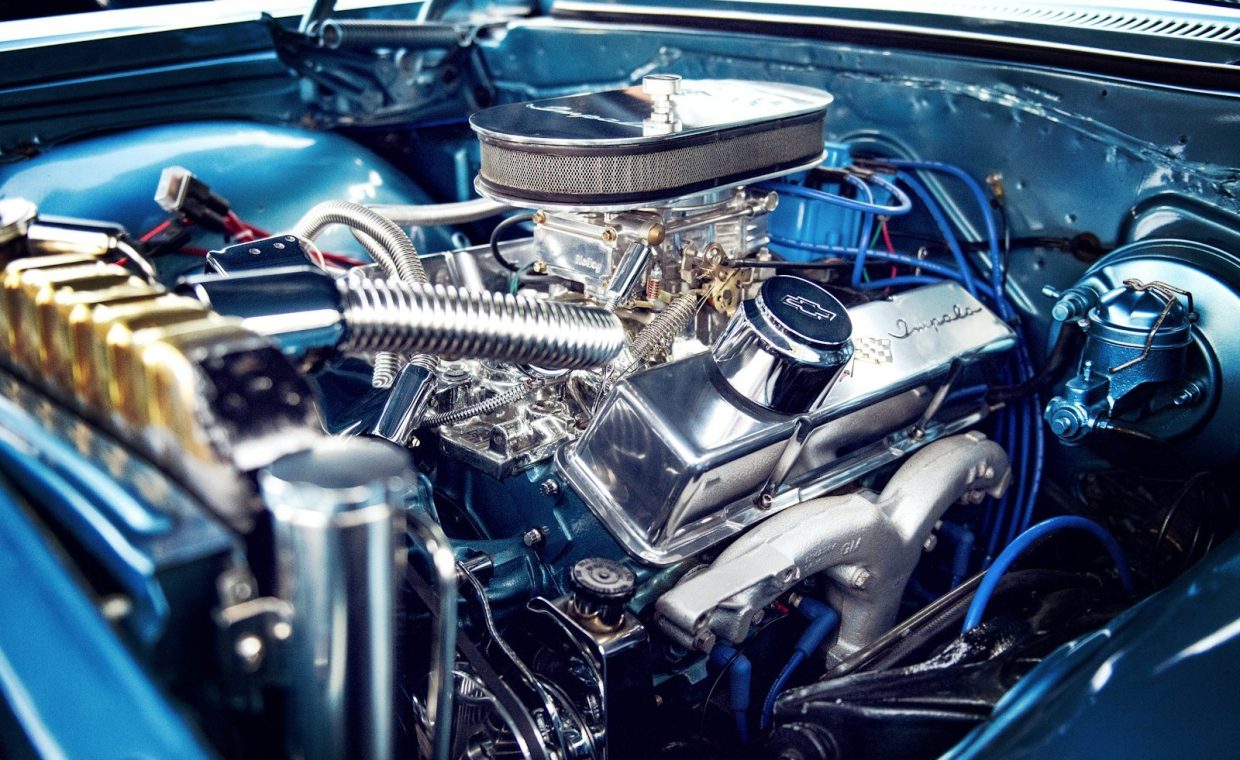
Arturo called me over to his turbo four-cylinder one evening, worried because the engine had started making a sound like a sealed can full of marbles every time he got on the throttle. He had bought a cheap "plug and play" tune off a forum, flashed it himself, and run a single tank of 87 octane because the good stuff was thirty cents more per gallon. The pistons told the rest of the story. Two of them had ring lands hammered flat from detonation.
Here is the hard truth I have learned with grease under my nails: most blown engines I see are not killed by the tune itself. They are killed by the small decisions around it. The wrong fuel, the skipped logging session, the "it'll be fine" attitude when a knock count starts climbing.
So let me walk you through the seven mistakes I see most often, why each one costs you, and exactly how to dodge it. None of this requires a dyno in your garage. It requires patience and a willingness to read your own data.
Cranking the Boost Before the Fuel Can Keep Up
This is the classic. Someone slaps a bigger turbo or just turns up the wastegate duty cycle, sees the boost gauge climb, and grins. Then the engine leans out under load because the injectors and fuel pump cannot deliver enough fuel for that extra air.
A lean condition under boost is the fastest way to melt a piston. You are essentially running a blowtorch in the combustion chamber. Exhaust gas temps spike, and aluminum does not forgive much past 1600 degrees.
If your injectors are hitting 90 percent duty cycle or your fuel pressure sags under boost, you have already run out of fuel before you ran out of air. More boost just makes it worse.
The fix
Match your fueling to your airflow before you add a single pound of boost. That means logging injector duty cycle and fuel pressure on every pull. If you are upgrading hardware, upgrade the pump and injectors as a set, not as an afterthought. Air and fuel are partners, and you cannot give one a raise without the other.
Ignoring Knock Because the Car "Feels Fine"
Detonation is sneaky. The car can pull hard and feel great while the knock sensors are screaming and the ECU is yanking timing to save itself. By the time you hear the audible rattle, the damage is usually done.
I cannot count how many people tell me their build felt perfect right up until it didn't. They never logged knock retard, so they never saw the warning the computer was throwing for weeks.
If the ECU is pulling timing on its own, the engine is telling you the current tune is too aggressive for the fuel, the temps, or both. Listen to it.
The fix
Log knock retard or feedback knock on every session, not just the first one. A couple of degrees on a cold engine pulling hard once is one thing. Repeated, climbing knock on a warm engine means you back the timing out now. A few horsepower is never worth a window in the block.
Running the Wrong Octane for the Tune
Your tune is written around a specific fuel. A 93 octane map assumes you are actually putting 93 in the tank. Drop down to 87 to save four bucks and you have changed the entire equation the calibrator built that map on.
Lower octane resists detonation worse, so the same timing that was safe on premium becomes a hammer on cheap gas. This is exactly what killed Arturo's turbo four.
The fix
Run the octane the tune calls for, every single time. If you live somewhere that only sells weak premium, get a tune written for what you can actually buy. And if you want to understand how much headroom a mild map really gives you, my breakdown of the differences in a stock setup versus a Stage 1 tune covers where the safe margins live.
If your platform supports it, load a conservative "valet" or low-octane map you can switch to when you are stuck filling up at a no-name station on a road trip.
Skipping Datalogs and Tuning by Butt-Dyno
The seat of your pants is a terrible instrument. It cannot read air-fuel ratio, it cannot see knock retard, and it definitely cannot tell you your coolant temp is climbing into dangerous territory on the third pull.
Tuning by feel alone is how people convince themselves a dangerously lean condition is just "good throttle response." The numbers do not lie, but only if you actually look at them.
The fix
Pull a clean datalog for every change you make, and review it before the next pull. At minimum, watch air-fuel ratio, knock, fuel pressure, intake air temp, and coolant temp. If you are building something like a budget 400 horsepower daily driver, disciplined logging is what separates a car that lasts 100,000 miles from one that lets go at the first track day.
Tuning a Tired Engine and Expecting Miracles
Power adders do not fix mechanical problems. They expose them. If your engine already has worn rings, a clogged catalytic converter, or a small coolant leak, adding boost and timing is like asking a guy with a bad knee to run a marathon.
I have watched people flash a tune onto an engine with 180,000 miles and a slight misfire, then act surprised when it lets go. The tune did not break it. The tune just asked a worn-out part to do more than it had left.
A compression test and a leak-down test cost almost nothing and tell you whether the bottom end is healthy enough to take more power. Skipping them is gambling with the most expensive part in the car.
The fix
Get the engine to a known-good baseline before you add power. Fresh plugs, clean fuel system, no pending codes, healthy compression. If your maintenance has been put off, catch it up first. My rundown of what common repairs honestly cost can help you decide whether to fix the tired engine you have or save toward a fresher one.
Maxing Out a Stage Without Supporting Hardware
Every tuning stage assumes certain parts are in place. A high-output map written for an upgraded intercooler and fuel system will behave very differently on a car that still has the restrictive factory cooling and a weak pump.
The most common version of this is heat. Push hard on a hot day with a stock intercooler and your intake air temps climb, which pushes the engine toward detonation even on the right fuel. The map was never the problem. The missing hardware was.
| Tuning stage | What it usually assumes | Common failure if missing |
|---|---|---|
| Stage 1 | Stock hardware, good fuel | Knock on cheap gas |
| Stage 2 | Better intercooler, downpipe | Heat soak, climbing intake temps |
| Stage 3 | Upgraded fuel system, turbo | Lean condition, fuel starvation |
The fix
Build in the correct order. Match the tune to the hardware you actually have installed, not the hardware you plan to buy someday. If a map calls for a bigger intercooler and a fuel upgrade, those go on before you flash it, not after the engine starts complaining.
Trusting Random Off-the-Shelf Files
The internet is full of "free 93 tune for your platform" files. Some are fine. Plenty are written for a different market, a different fuel blend, or a slightly different engine, and they make assumptions your specific car cannot meet.
A generic file does not know your altitude, your fuel quality, or the state of your particular engine. It is a blanket guess, and a blanket guess running 18 pounds of boost is a coin flip with your wallet.
The fix
Use a reputable tuner who will look at your logs, or at minimum start with a conservative base map and verify it with your own data before you ask for more. Treat any free file like raw meat. Inspect it before you trust it. The few hundred dollars a proper custom tune costs is cheap next to a short block.
Almost every blown engine traces back to asking for power the hardware, fuel, or condition could not support, then not reading the data that would have warned you. Match your inputs, log everything, and respect what the ECU is telling you.
Can a tune by itself really blow up an engine?
A good tune on healthy hardware with the right fuel is very safe. What blows engines is the combination of an aggressive tune plus a missing fuel upgrade, wrong octane, ignored knock, or a worn-out bottom end. Fix those surrounding factors and the risk drops dramatically.
How do I know if my engine is healthy enough to tune?
Start with a compression test and a leak-down test, scan for pending codes, and confirm there are no fluid leaks or misfires. If those check out and your maintenance is current, you have a solid baseline. If anything is marginal, repair it before adding power.
Is a cheaper off-the-shelf tune ever a good idea?
It can be, if it is from a known tuner for your exact platform and you verify it with your own datalogs on the correct fuel. The danger is grabbing a random forum file written for a different market or engine and trusting it blind. Always confirm with data before you push it.
I love a good build as much as anyone, and there is nothing wrong with chasing power. Just chase it the way a careful mechanic would, one verified change at a time, with your logs open and your octane right. Do that and your engine will reward you with years of grin-inducing pulls instead of a tow truck and a parts list. Keep your knock logs honest and your fuel tank full of the right stuff.