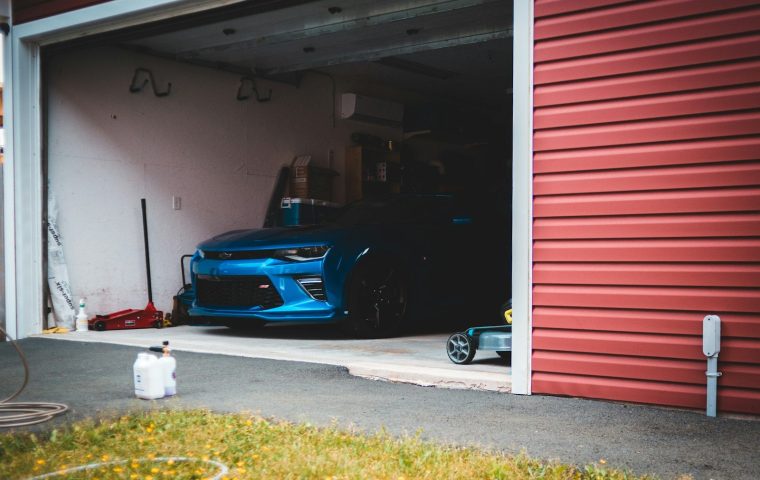

Malik works in an office park full of leased German metal, and his coworkers love to needle him about the gray sedan in the corner of the lot. They stopped laughing the morning he lined his 2007 Pontiac G8 GT up against a colleague's new BMW on the access road and walked away from it by the second gear change. The car looks like a forgettable used sedan from ten feet out, dusty and unremarkable, which is exactly the way Malik wants it.
Then he starts it, and the LS-powered V8 settles into a lopey idle that makes the guy in the next parking spot turn his head. Malik spent two years and a lot of weekend evenings turning a $9,000 used car into something that dynos at just over 400 horsepower at the wheels. He still drives it to work every single day, and it still embarrasses cars that cost four times as much.
I met Malik at a local cars-and-coffee and asked him to walk me through the build, dollar by dollar, because most "budget 400hp" stories online quietly leave out the boring expensive parts. This is the honest version, including the stuff that broke.
Why He Started With the Right Platform
The single smartest thing Malik did happened before he spent a dime on parts. He picked a car that was already most of the way there.
The G8 GT came from the factory with a 6.0-liter L76 V8 making around 361 horsepower at the crank. That is a strong starting point. He was not trying to coax 400 horsepower out of a four-cylinder economy car, which is a path that costs three times as much and ages the engine fast.
His logic was simple. Buy a platform where the factory already paid for the expensive bones (a stout block, a real transmission, big brakes), and you only pay for the last 15 percent.
If your goal number is 400 horsepower, start with a car that already makes 300 or more. Squeezing the last 100 out of a strong engine is cheap. Building the first 250 out of a weak one is where budgets die.
He paid $9,000 for a clean example with 110,000 miles and a documented service history. He walked away from two cheaper cars with mystery maintenance, which I think was the right call. A $2,000 savings means nothing if you inherit a worn timing setup or a slipping transmission.
The Parts That Actually Made the Power
Here is where people expect a turbo kit. Malik went the other direction and stayed naturally aspirated, mostly because boost adds heat, complexity, and a long list of supporting parts he did not want to babysit on a daily driver.
His power recipe was old-school and proven. A camshaft swap, better-flowing heads work, a cold air intake, long-tube headers, and a proper tune. Nothing exotic.
| Modification | Rough Cost | Why It Made the List |
|---|---|---|
| Camshaft and valve springs | around $700 | Biggest power-per-dollar on an LS engine |
| Long-tube headers | around $850 | Frees up exhaust flow, wakes up the top end |
| Cold air intake | around $250 | Small gain, cheap, helps the tune breathe |
| Professional dyno tune | around $600 | Ties everything together safely |
| Supporting gaskets and fluids | around $300 | The boring stuff nobody photographs |
Add it up and the power side of the build came to roughly $2,700. That is the number that gets posted online. It is also only about half the real story.
The Money Nobody Posts About
This is the part I made Malik promise to be honest about. The hidden costs of a high-power daily are real, and they are mostly about keeping the rest of the car alive once the engine starts asking more of it.
The factory clutch started slipping within a month of the tune. He replaced it with a stronger unit for about $900 installed, because he does not have a lift at home and this was a job he was glad to hand to a shop.
The added power and the way he drives it chewed through tires far faster than stock. He also found the car felt nervous at the limit, so he upgraded the dampers and sway bars. If you are curious how the right suspension and tire upgrades transform cornering, that change did more for how the car feels on a back road than the last 30 horsepower did.
Engine power parts: about $2,700. Supporting parts (clutch, suspension, tires, brake refresh): about $2,800. The car costs almost as much to make usable as it does to make fast.
He also refreshed the brakes. New pads and rotors are not glamorous, but stopping a heavier sedan that now pulls hard requires it. He learned the hard way that you have to properly bed in new brake pads and rotors or you get a shudder that feels like a warped rotor but is really just uneven pad deposits.
Living With It Every Day
A 400-horsepower daily is a series of small compromises you accept on purpose. Malik is clear-eyed about every one of them.
The cam gives the car a rough idle that the factory engine mounts transmit into the cabin. At a long red light, the whole car shivers a little. He says it took his wife about a week to stop asking if something was wrong.
Fuel economy dropped from the high teens to around 16 miles per gallon in mixed driving, worse if he gets into it. On premium fuel, that adds up over a year, so it goes in the running-cost column whether he likes it or not.
A modified engine with a hot tune and a stickier idle leans harder on the charging system, and a tired battery shows itself fast. Malik chased a no-start that turned out to be a weak battery, not the tune. If yours is acting up, read through these common causes of a car battery dying and how to fix them before you start blaming the modifications.
The transmission, an automatic in his case, handles the power fine because GM over-built it from the factory. That is another quiet win from picking the right platform. He budgeted for a built trans and never needed it.
What He Would Do Differently
I always ask this question, because the regrets teach more than the wins. Malik had two.
First, he wishes he had done the clutch and the suspension at the same time as the engine work. Spreading the labor across separate shop visits cost him more in fees than doing it in one weekend would have. Bundling jobs saves real money.
Second, he chased a few extra horsepower with a second tune session that, honestly, he cannot feel from the driver's seat. That $300 bought a bigger dyno number and zero real-world difference. He calls it his "internet horsepower" and laughs about it.
The Total, Out the Door
Car at $9,000, modifications and supporting parts at roughly $5,500, plus a few hundred in tools and fluids over two years. He is into it for about $15,000, all in, for a clean sedan that runs with cars costing three times as much.
Start with a strong factory platform so you only pay for the final push. Budget as much for supporting parts (clutch, suspension, brakes, tires) as for power. Naturally aspirated keeps a daily driver simple and cool-running. Accept the compromises on purpose: rough idle, worse fuel economy, faster wear. And do related jobs together to save on labor.
Is 400 horsepower too much for a daily driver?
Not if the rest of the car can handle it. The engine is rarely the problem. The clutch, brakes, tires, and suspension are what make 400 horsepower livable or miserable, so budget for them up front.
Why go naturally aspirated instead of adding a turbo?
For a daily driver, a naturally aspirated build runs cooler, stays simpler, and has fewer parts that can leak or fail in traffic. A turbo can make more power for the dollar, but it adds heat and complexity you have to manage every single day.
How much should I budget beyond the engine parts?
Plan on the supporting parts costing roughly the same as the power parts. Malik spent about $2,700 on power and about $2,800 keeping the rest of the car healthy. If you only budget for the cam and headers, you will get a nasty surprise.
Malik's car is not the fastest thing at any meet, and he is fine with that. What he built is a sedan that starts every morning, passes a state inspection, hauls groceries, and still puts a grin on his face on the on-ramp. If you go this route, be honest with yourself about the full cost, do the boring supporting work, and you can have something genuinely special without going broke. Build it slow, sweat the unglamorous parts, and a car like this will reward you for years.