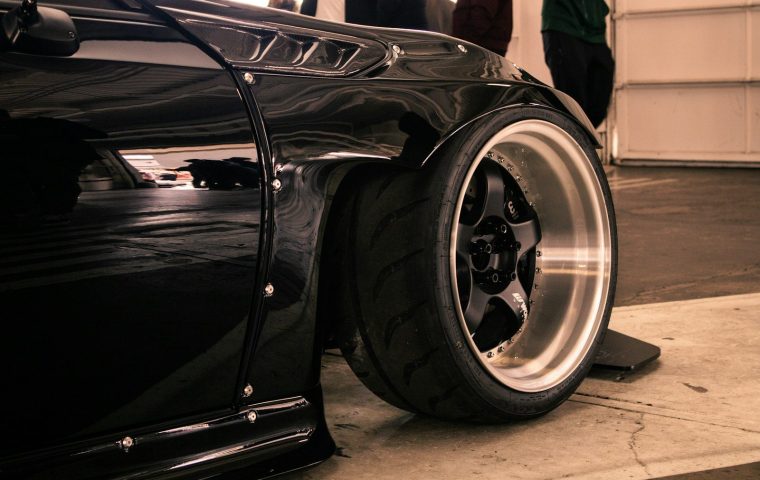

Drilled rotors and bright red four-piston calipers look fast through the spokes, and that is exactly the problem. A big-brake kit can dress up a daily-driven sedan beautifully and still do nothing for the number that matters, the distance between your front bumper and the car ahead when you stand on the pedal. Plenty of shiny setups are bolted to cars whose pads are still the economy compound from the factory and whose fluid is years old and full of moisture.
So let me separate the parts that look fast from the parts that actually stop fast. Here are the brake upgrades that genuinely shorten your stopping distance on the street, the ones that mostly just look the part, and where your money does the most good first.
Start With Pads, Because Friction Is Where Stopping Happens
Your brakes work by turning motion into heat through friction, and the pad compound decides how much grip you get and how well it holds up when things get hot. This is the single highest-value change you can make, and it is usually the cheapest.
A good street performance pad bites harder when cold and resists fade far longer than the bargain pads on most new cars. On a twisty back road or a long mountain descent, that difference is the line between confident stops and a soft, sinking pedal.
Here is the concrete example. I swapped a set of mid-grade street performance pads onto my own truck, around $80 for the set, and left everything else stock. On the next steep grade I drive regularly, the pedal stayed firm all the way down instead of going long like it used to.
Race pads are not a street upgrade. Track compounds need serious heat to work and will feel wooden and squeal badly during a cold morning commute. Match the pad to how you actually drive, not to how you wish you drove.
Brake Fluid Is the Cheap Fix Almost Everyone Skips
Brake fluid is hygroscopic, which is a fancy way of saying it pulls moisture out of the air over time. Water lowers the boiling point, and once your fluid boils under hard use, you get steam in the lines and a pedal that drops to the floor.
Fresh fluid with a higher boiling point is one of the best returns on a small spend you will ever find. A bottle of quality DOT 4 runs maybe $15, and flushing it restores the firm pedal you forgot you were supposed to have.
The myth I hear constantly is that fluid is lifetime fluid. It is not. Most of the soft, vague pedals I diagnose trace back to fluid that has not been touched since the car left the lot, sometimes five or six years deep.
Flush your fluid every two to three years, or sooner if you do any spirited driving. If your pedal feels fine but you cannot remember the last flush, it is overdue.
Stainless Steel Lines Tighten Up the Pedal Feel
Factory brake hoses are rubber, and rubber expands slightly under pressure. That tiny bit of swell means some of your pedal effort goes into ballooning the hose instead of clamping the rotor.
Braided stainless steel lines wrap the hose in a metal sheath that resists that expansion. The result is a firmer, more immediate pedal, especially noticeable during repeated hard stops where rubber lines feel progressively mushier.
Be honest with yourself about the payoff, though. Stainless lines sharpen feel and modulation, but they do not meaningfully shorten your stopping distance on their own. Think of them as a refinement after pads and fluid, not a substitute for them.
Rotors: Bigger Helps, Drilled and Slotted Are Mostly Show
Rotors are heat sinks. Their job is to absorb the heat your pads generate and shed it before fade sets in, so a larger or thicker rotor with more mass and surface area genuinely helps on long, demanding stops.
A big brake kit that steps you up to a larger rotor and a bigger caliper can shorten stopping distance under repeated hard use, because there is simply more material to soak up heat. On a heavy SUV that tows, that extra capacity is real and worth it.
Where the Marketing Gets Ahead of the Physics
Cross-drilled rotors look fantastic and were originally designed to vent gases from old pad compounds that no longer exist. On a street car, those holes mostly create stress points that can crack under heat cycling.
Slotted rotors fare a bit better because the slots help wipe debris and gas off the pad face, but the gain on a daily driver is small. A quality blank rotor paired with a good pad will out-stop a drilled rotor with a cheap pad every single time.
If you do nothing else, go pads, then fluid, then lines, then bigger rotors. That sequence buys you the most real stopping improvement per dollar, in that order.
Tires Are the Brake Upgrade Hiding in Plain Sight
Here is the part that surprises people. Your brakes do not stop the car, your tires do. The brakes stop the wheels, and the tire's grip on the pavement is what turns that into actual deceleration.
You can bolt on the most expensive caliper kit made and your stopping distance is still capped by how much grip four contact patches the size of your palm can find. A stickier set of tires will shorten your stops more than any caliper upgrade on a street car.
I have watched a stock-brake car on good summer tires out-brake a big-brake-kit car running hard all-season rubber. It is not close. If your tires are old, cheap, or worn near the wear bars, fix that before you touch the brakes.
This is roughly how each upgrade stacks up for real street stopping power versus cost.
| Upgrade | Real Stopping Gain | Rough Cost |
|---|---|---|
| Better pads | High | $60 to $150 |
| Fresh fluid | Medium to high | $15 plus labor |
| Stainless lines | Low (better feel) | $80 to $150 |
| Bigger rotors / BBK | Medium to high | $500 and up |
| Grippier tires | Very high | $400 to $900 a set |
| Drilled rotors | Negligible | $$ wasted |
Knowing Which Jobs You Can Do at Home
A pad and rotor swap is one of the most approachable jobs in the garage if you have a jack, stands, and a few hours. Bleeding the fluid afterward is a two-person job but not a hard one, and it is worth learning.
If you are weighing whether to tackle it yourself, our breakdown on whether to replace brake pads as a DIY job or hand it to a pro covers the tools and the gotchas honestly. Calipers and big brake kits, on the other hand, involve more torque specs and fluid management, so a shop is often the smarter call there.
I will say this plainly. Brakes are not the system to learn on if you are unsure of yourself. A botched suspension tweak makes the car ride poorly, but a botched brake job is a safety problem at every red light.
Where Brakes Fit in a Bigger Build
If you are building a car for the street, brakes belong near the top of the list, ahead of most power mods. There is an old shop saying that goes mods should make the car stop and turn before they make it go, and it holds up.
It is easy to get pulled toward chasing horsepower with ECU tuning and its real risks, or toward dialing in the stance with a choice between coilovers and lowering springs. Those are fun, but a car that makes more power than it can confidently stop is a car writing checks its brakes cannot cash.
Sort the stopping first. Then chase the power and the handling, knowing the car can rein it all back in when you need it to.
Do I really need a big brake kit for street driving?
Most street cars do not. Better pads, fresh fluid, and grippier tires shorten real stopping distance far more cheaply. A big brake kit makes sense mainly for heavy vehicles, towing, or repeated hard stops where you need extra heat capacity.
Are drilled and slotted rotors worth the money?
Slotted rotors offer a small benefit by clearing debris off the pad. Drilled rotors are mostly cosmetic on a street car and can crack under heat. A quality blank rotor with a good pad will out-stop either with a cheap pad.
How often should I flush my brake fluid?
Every two to three years for a daily driver, and sooner if you drive hard or live somewhere humid. Fluid absorbs moisture over time, which lowers its boiling point and gives you a soft pedal when the brakes get hot.
Spend your brake money in the order that physics rewards: friction first, then the fluid and feel, then mass and grip. Get a good pad, flush the fluid, put real tires under the car, and you will out-stop most of the flashy setups in the parking lot. Save the shiny calipers for last, and only if the basics are already handled.