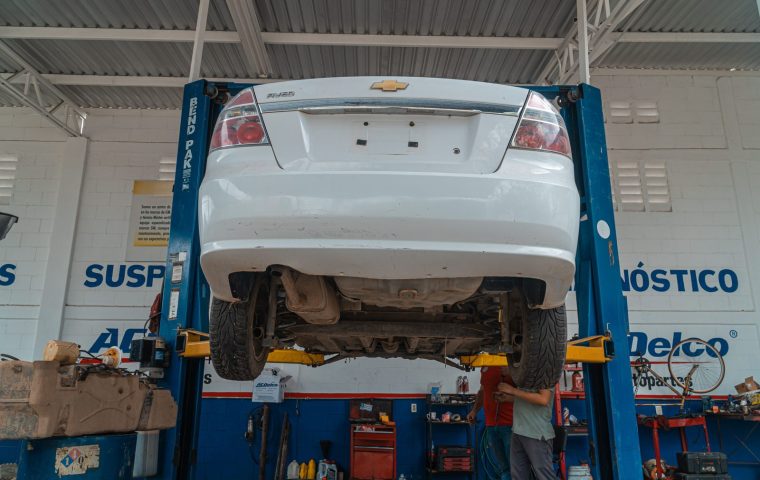

Brandon's 2014 sedan came in on a flatbed, the engine already seized solid before it ever reached the bay. One skipped habit had killed it. He swore he took good care of the car. Oil changes? Mostly. New air filter? He figured the dealer handled that. Coolant? He had no idea coolant was a thing you replaced.
We pulled the valve cover and found sludge thick enough to write your name in. That engine was not abused. It was just quietly neglected, one skipped step at a time, until the damage stacked up and the motor locked for good.
The frustrating part is that none of it was dramatic or expensive to prevent. Engines almost never die from one big mistake. They die from a handful of small ones repeated for years. Here are the seven I see most often, and the easy corrections that keep your motor alive long after the warranty is gone.
Stretching oil changes way past their limit
This is the big one, and it is the reason Brandon's engine looked like a deep fryer. Oil does not just lubricate. It carries heat away, suspends combustion byproducts, and keeps acids from eating your bearings.
Old oil stops doing those jobs. The additive package wears out, the oil shears thin, and the sludge starts forming on hot surfaces. Once that gunk blocks an oil passage, parts that need pressurized oil get starved, and that is when you hear knocking.
Follow your owner's manual interval, not a coworker's guess. Most modern engines on full synthetic want fresh oil every 5,000 to 7,500 miles, and severe-duty driving (short trips, towing, lots of cold starts) pulls that number lower.
Synthetic buys you more margin, but it is not magic. If your car sits a lot or only does short hops to the grocery store, change it on time even if the mileage looks low. Moisture and fuel dilution build up regardless of distance.
Ignoring the coolant until it is the color of mud
Coolant is not lifetime fluid, no matter what the marketing on the jug implies. Over time the corrosion inhibitors deplete, the pH drifts, and the mixture starts attacking the very metal it is supposed to protect.
I have seen neglected coolant eat through head gaskets, clog heater cores, and turn water pump impellers into swiss cheese. By the time it looks rusty or sludgy in the reservoir, the damage clock has already been running.
Replacing coolant on schedule is one of the cheapest insurance policies you can buy. A flush and refill runs a fraction of a head gasket job, which I cover in our breakdown of what common repairs actually cost.
Never mix coolant types. The wrong chemistry can gel into a paste that plugs your cooling system solid. If you do not know what is in there, do a full flush rather than topping off with a random color.
Driving on a dirty or wrong-grade air filter
Your engine breathes thousands of gallons of air for every gallon of fuel it burns. A clogged air filter chokes that breathing, makes the engine work harder, and quietly drags down your fuel economy.
Worse is the owner who installs a cheap or poorly fitted filter that lets grit slip past. Abrasive dust in the intake is sandpaper for your cylinder walls and rings. That is wear you never get back.
The simple correction
Pop the airbox open and look at your filter once a season. If it is gray and packed with debris, swap it. A quality paper or cotton filter is a few minutes of work and usually costs around $20 to $40.
If you are tempted to chase more airflow for performance, do it sensibly. I walk through which intake and breathing mods are genuinely worth it in our guide to bolt-on upgrades that earn their keep, and which ones just make noise.
Treating warning lights as background noise
The check engine light is not a suggestion. It is your engine raising its hand. A misfire code left alone can dump raw fuel into the exhaust and cook a catalytic converter, which turns a $30 sensor into a four-figure repair.
The oil pressure light is even more urgent. If that one glows, pull over and shut the engine off. Driving another mile on no oil pressure can grind a healthy motor into scrap before you reach the next exit.
A steady check engine light usually means "get it scanned soon." A flashing one means "stop driving like this right now," because an active misfire is melting your catalyst as you roll.
A basic code reader costs about $25 and pays for itself the first time it saves you a panicked tow. Even an auto parts store will scan it free. There is no excuse to drive blind.
Letting the timing belt outlive its schedule
This mistake has a brutal payoff. On an interference engine, a snapped timing belt lets the pistons slam into open valves at speed. The result is bent valves, sometimes a cracked piston, and a repair bill that can rival the value of the car.
Timing belts are wear items with a defined replacement window, usually somewhere between 60,000 and 105,000 miles depending on the engine. They give almost no warning before they let go. One day they are fine, the next you are coasting to the shoulder.
If your car has a timing belt and you have crossed the recommended interval, this is not a "wait and see" item. A belt is a planned maintenance cost. A snapped belt on an interference engine is a catastrophe.
If you are not sure whether your engine uses a belt or a chain, check the manual or ask a trusted shop. When the bill on a tired, high-mileage car climbs into engine-swap territory, it is worth running through our repair-or-replace decision framework before you sink the money.
Skipping warm-ups and lugging a cold engine
You do not need to idle for ten minutes in the driveway. Modern oil flows fast. But flooring it the second you start a cold engine is a different story.
Cold oil is thicker and slower to reach the top of the head. Clearances are tight, and the metal has not expanded to its operating size yet. Hammering the throttle in those first 30 to 60 seconds is when a lot of premature wear happens.
The easy habit
Start the car, give it 20 to 30 seconds, then drive gently for the first few minutes until the temperature needle starts to lift. That is all it takes. The same goes for lugging the engine at low rpm in too high a gear, which loads the bearings hard before everything is up to temp.
Forgetting the spark plugs and the gunk they hide
Spark plugs feel like a "set it and forget it" part, and that is exactly why people forget them. Worn plugs make the engine work harder to fire, cause misfires, and let unburned fuel wash down the cylinder walls and dilute your oil.
A misfiring cylinder is not just a rough idle. It is extra heat and stress in one spot, and over time it accelerates wear and threatens that expensive catalytic converter again.
Most modern plugs last 60,000 to 100,000 miles, but check your manual. Replacing them is often a DIY job on accessible engines, and fresh plugs frequently restore a little lost smoothness and mpg you did not realize you were missing.
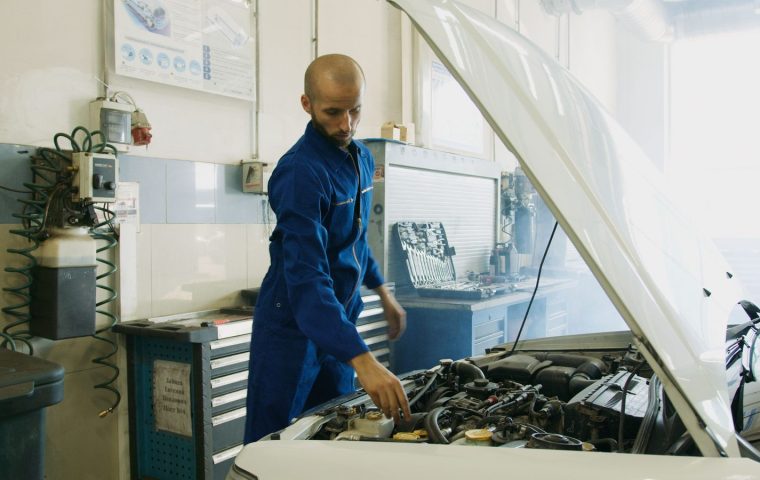
While you have the engine bay open, glance at the easy stuff. Cracked vacuum hoses, a weeping valve cover gasket, a loose intake clamp. Catching small leaks early keeps them from turning into the kind of damage that ends an engine.
Engines rarely die suddenly. They die from skipped oil, neglected coolant, dirty air, ignored lights, an overdue timing belt, abused cold starts, and forgotten plugs. Fix those seven habits and a good motor will outlast the rest of the car.
How do I know if my engine already has sludge buildup?
Pull the oil cap and look underneath, and peek under the valve cover if you can. A brown or black tar-like coating instead of clean metal is sludge. A ticking noise on cold start and slow oil drain-back are other warning signs worth a shop's eyes.
Is full synthetic oil really worth the extra cost?
For most owners, yes. Synthetic handles heat better, resists sludge, and flows faster on cold mornings. It does not let you skip changes, but it gives you more margin if life gets in the way of a perfect schedule.
Can I really damage my engine just by driving hard right after starting?
Repeatedly, yes. A single hard cold start will not blow up your motor, but doing it every day for years adds up to real wear on bearings and cylinder walls. Twenty seconds of patience and gentle driving until it warms up is cheap protection.
None of these fixes require a lift or a master tech. They require paying attention and following the schedule that is already printed in your glovebox. Do that, and the knock-in-the-parking-lot story stays something that happens to other people's cars. Keep the fluids fresh, respect the warning lights, and your engine will return the favor for a long time.