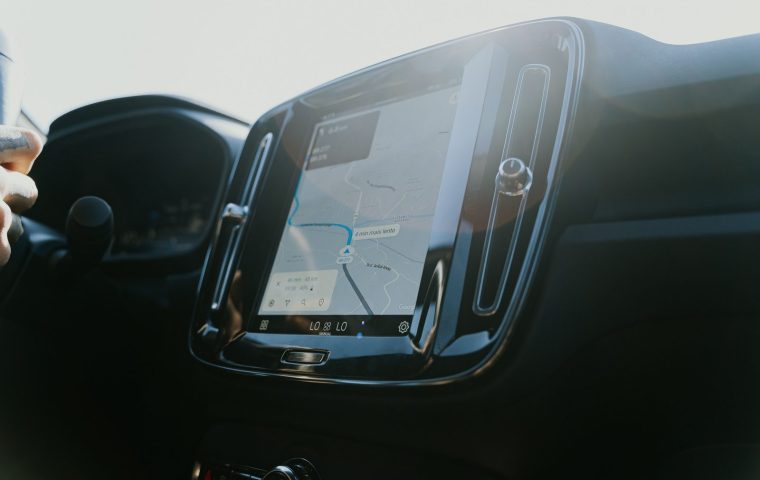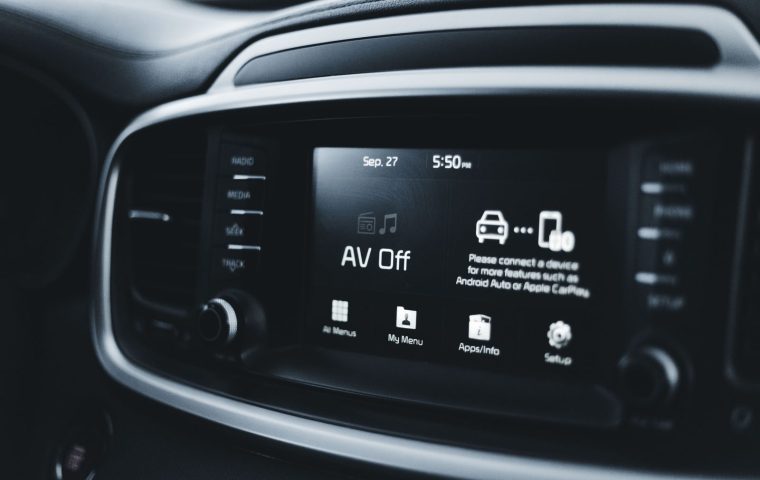

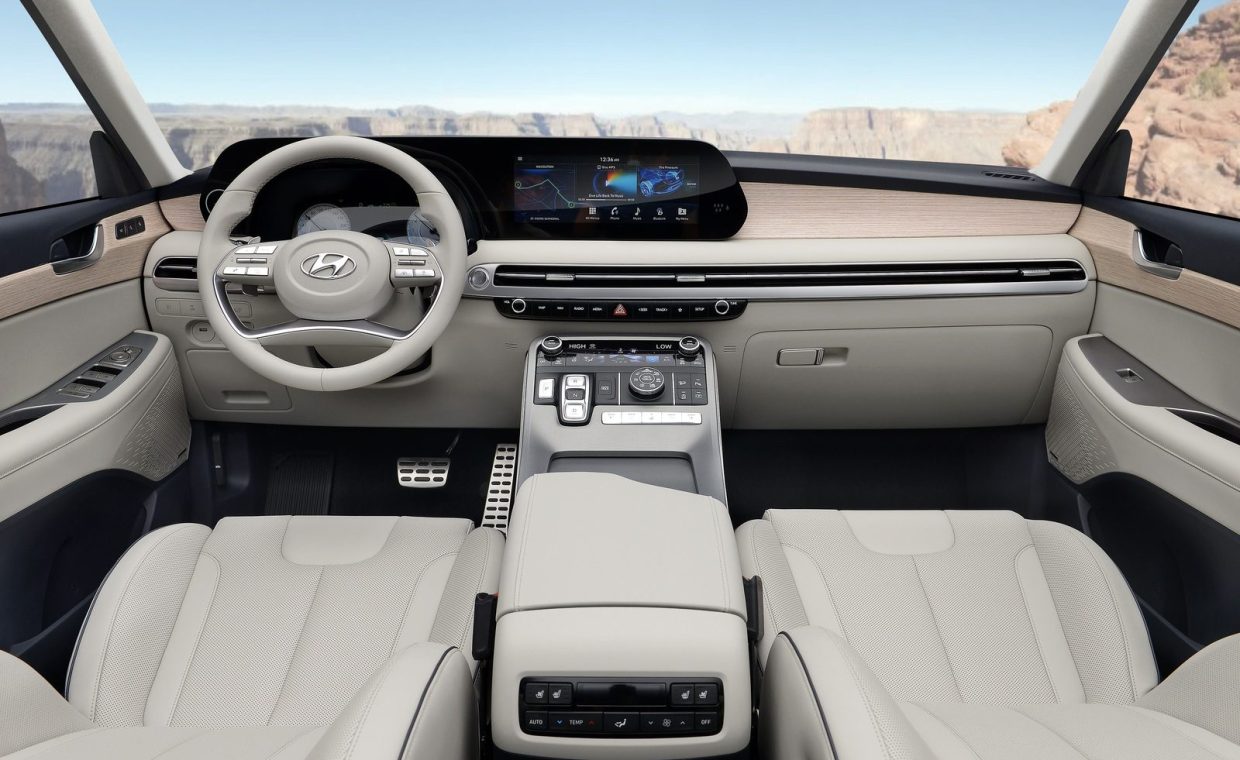
The Patels spent a Saturday at three dealerships and left more confused than when they started. Raj kept a note on his phone that read "LX, EX, Touring, Limited, Platinum" and admitted he had no idea which of those words meant heated seats and which meant a better backup camera.
His wife Anita had a different worry. Their younger daughter gets carsick on long drives, so she wanted rear screens or at least good phone mirroring to keep the kids occupied. Neither of those needs mapped cleanly onto a trim name, and the salespeople kept answering with package codes instead of plain English.
So they did something most shoppers skip. They went home, made a list of the tech they actually use every week, and shopped from that list instead of the brochure. Here is how that played out, including the numbers they ran and the mistakes they almost made.
Why trim names tell you almost nothing
A trim name is a marketing label, not a feature list. Two automakers can both sell a "Touring" model and equip them completely differently. One might include adaptive cruise control as standard, while the other hides it behind a separate $1,500 option pack.
Raj learned this the slow way. He assumed a higher trim always meant every feature he cared about. In reality, the mid trim on one SUV had the safety tech he wanted, while the same brand's top trim spent its extra money on a fancier sound system and bigger wheels he did not need.
Shop by the specific features you will touch every day, then find the cheapest trim or package that includes them. Let the trim name be the last thing you look at, not the first.
Building the list of tech that actually mattered
The Patels sat down and ranked features by how often each person would use them. This is the step that changes everything, because it separates real needs from showroom dazzle.
Their list ended up short and honest:
- Reliable phone mirroring, ideally wireless, since both parents use different phone platforms
- Adaptive cruise control and lane centering for Raj's hour-long highway commute
- A clear, high-resolution backup camera with rear cross-traffic alert for tight parking lots
- Blind spot monitoring, which Anita considered non-negotiable
- Enough USB-C ports and a charging pad so nobody fights over power on road trips
Notice what is not on the list. No panoramic roof, no ambient lighting, no 20-speaker audio. Those are nice, but they were not driving the decision, so they got moved to a "tiebreaker only" column.
Separating the features that earn their keep
Some in-car tech sounds impressive and quietly goes unused. Anita had read our piece on which connected car features are genuinely useful versus pure hype, and it helped her cut the list down fast.
Remote start through an app? She would use that on cold mornings, so it stayed. A built-in marketplace for ordering coffee from the dashboard? Off the list in about two seconds.
The phone mirroring question that almost tripped them up
Raj uses one phone platform and Anita uses the other, so the car needed to play nicely with both. This sounds obvious, but a few models they looked at only supported wired connections, and one older model on the lot supported just one of the two systems.
They read up on the practical differences between Apple CarPlay and Android Auto so they could ask sharper questions. The takeaway for their family was simple. As long as the SUV ran both systems and offered wireless, the daily handoff between drivers would be painless.
Bring both phones and actually pair them on the test drive. Wireless mirroring that works perfectly in a review video can still drop out with your specific phone, your specific cable, or a software version the dealer has not updated.
One SUV they liked had a beautiful screen but stuttered when Raj's phone connected wirelessly. That single test drive saved them from a daily annoyance they would have blamed on their phone for months.
Running the real numbers, trim by trim
Once the feature list was set, the Patels stopped comparing names and started comparing equipment against price. They built a small table for the three finalists, all roughly the same size and price band.
| Need | SUV A (mid trim) | SUV B (base + pack) | SUV C (top trim) |
|---|---|---|---|
| Wireless phone mirroring | Yes | Yes | Yes |
| Adaptive cruise + lane centering | Standard | $1,200 pack | Standard |
| Blind spot monitoring | Standard | Same pack | Standard |
| Rear cross-traffic alert | Standard | Same pack | Standard |
| Charging pad + USB-C | Yes | Add-on | Yes |
| Approx. as-equipped price | around $38,000 | around $36,500 | around $44,000 |
Laid out this way, the answer almost picked itself. SUV C had everything they wanted, but it also bundled roughly $6,000 of extras they did not care about. SUV A delivered the full need list as standard equipment for about six grand less.
SUV B looked cheapest at first glance, but once they added the pack and the charging accessory, the gap shrank and they lost the convenience of having it all built in. The trim name on SUV A was nothing fancy, and that was exactly the point.
The EV version of the same decision
Halfway through, the Patels test drove an electric version of one finalist and seriously considered going electric. That added a whole new tech layer to think through, because with an EV the most important spec is not horsepower, it is usable range and how the car treats its battery.
They asked about real-world range rather than the sticker figure, and learned the model returned about 250 miles in mixed driving, less in winter. For their commute and weekend trips, that was comfortable, but only if charging stayed simple at home.
Anita read up on how to keep an EV battery healthy over the long term so they understood the daily habits involved, like not charging to 100 percent every single night. That research did not scare them off, but it did make them realistic about the routine an EV asks for.
Check whether your home charging setup can actually support the car you want. A great EV with a slow or impractical charging situation at home becomes a daily headache, and that has nothing to do with the trim name on the tailgate.
In the end they chose the gas version of SUV A for this round, mostly because their charging situation needed an electrical upgrade first. But the exercise taught them how to evaluate an EV on its own terms when they are ready.
The common mistakes they sidestepped
Looking back, a few traps almost caught them, and they are the same ones that catch most buyers.
The first is buying up a trim for one or two features. If you only want adaptive cruise, paying thousands extra for the top trim to get it is rarely the cheapest path. Check whether a lower trim plus a single option pack gets you there.
The second is trusting the brochure over a test drive. Specs say a feature exists, but they do not tell you whether the lane centering feels smooth or fights the wheel, or whether the screen lags when you tap it.
The third is paying for tech you will never open. Built-in navigation made less sense for the Patels once they realized their phones handled directions better and stayed up to date for free.
They wrote down the tech they use weekly and ranked it. They matched those needs to specific equipment, not trim names. They test drove with both phones in hand. They built a small price-versus-feature table and chose the cheapest trim that met every real need. They evaluated the EV on range and home charging, not horsepower. The result was an SUV that fit their lives for about $6,000 less than the badge-chasing option.
How do I find out which features come with which trim without trusting the salesperson?
Use the automaker's official build-and-price tool on their website. It lets you select a trim and see exactly what is standard, what is optional, and how each package changes the price, so you can compare equipment instead of marketing names.
Is it worth paying extra for a higher trim just to get driver assistance features?
Often not. Many brands offer the same safety tech on a lower trim through a single option pack for far less than the jump to the top trim. Price out both paths before assuming the expensive trim is the only way to get the feature.
Should tech needs change how I shop for an EV versus a gas SUV?
Yes. For an EV, your top priorities shift to real-world range, charging speed, and whether your home setup can support daily charging. Those factors matter far more to ownership than the badge, so research them before you fall for a particular trim.
The Patels did not become car experts overnight, and they did not need to. They just refused to let a brochure decide for them. If you start with the features you actually touch every week and work backward to price, the confusing trim names stop mattering, and the right SUV tends to show itself. Happy shopping, and test drive with your own phone in your pocket.