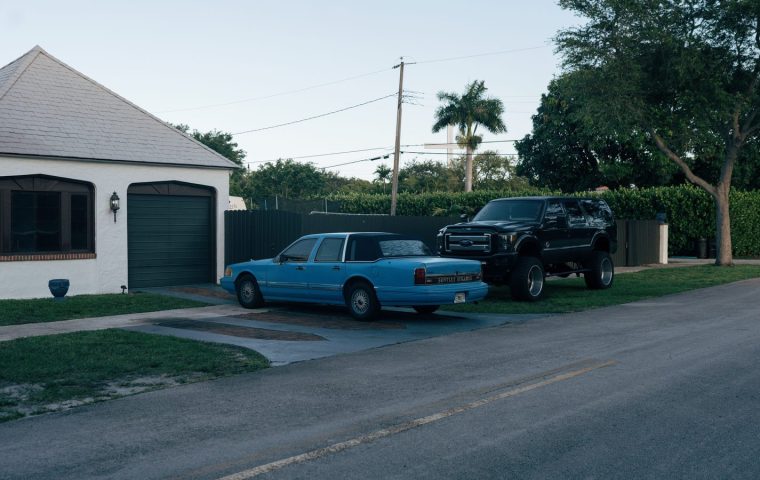

Walt drives an old diesel wagon and has loud opinions about everything, especially electric cars. He told me once, with total confidence, that EV batteries die after three years and cost more than the car to replace. The catch is that Walt has never driven an EV. He has never even sat in one. Everything he "knows" is secondhand, picked up from a forum or a buddy at the parts counter.
What got me was how certain he sounded. The thing is, a lot of what Walt repeats was probably true around 2013, back when early electrics were genuinely compromised machines. The technology moved on. The talking points did not.
So let me do what I do best, which is geek out on the actual numbers and then tell you what they mean for your driveway. Here are five myths that refuse to die, and what the current reality looks like for someone shopping today.
The Battery Dies in a Few Years and Bankrupts You
This is the big one, the fear that lives rent-free in every skeptic's head. The logic comes from phones. Your iPhone battery feels tired after two years, so a car battery must be worse, right?
Not even close. An EV battery is a managed pack of hundreds or thousands of cells, with cooling, software, and buffers that keep each cell working in its happy zone. Your phone has none of that. It just runs the cells hard and hot until they sag.
Real-world fleet data on cars like the early Teslas and Nissan Leafs shows most packs retaining around 85 to 90 percent of capacity after 100,000 miles or more. That is not a cliff. That is a gentle slope.
What it means for you
A typical EV warranty covers the battery for 8 years or roughly 100,000 miles, and most won't need replacing in that window. If a pack does fail out of warranty, repair shops increasingly fix individual modules rather than swapping the whole thing, which drops the cost dramatically.
Your phone has no liquid cooling, no charge buffer, and no software babysitting each cell. An EV has all three. Comparing the two is like judging a turbocharged engine by how a leaf blower sounds.
You Will Be Stranded Because the Range Is Useless
Walt's second favorite. He pictures every EV as a glorified golf cart that quits at the edge of town. And to be fair, a 2011 Leaf with about 75 miles of range did make you plan your life around the charger.
Today the math is different. A mainstream EV now delivers somewhere around 250 to 300 miles on a charge, and the longer-range versions push well past that. The average American drives roughly 40 miles a day. You do the subtraction.
The fear here is less about distance and more about psychology, that nagging worry the battery will run flat before you find a plug. I wrote a whole piece on why range anxiety hits harder than the data justifies, and the short version is that most people adapt within a week of ownership.
The road trip wrinkle
Long trips are where the old myth has a sliver of truth left. Fast-charging networks have gaps, and a 1,000-mile haul takes more planning than it does in a gas car. But for the daily commute, the school run, and the grocery loop, range is a non-issue for the vast majority of drivers.
Track your actual mileage for one week before you write off EVs. Most people are shocked at how rarely they crack 100 miles in a day. Buy for your normal week, not your once-a-year road trip.
Charging Is a Nightmare You Will Never Get Used To
People imagine EV charging as a gas-station experience, except slower and more annoying. You roll up, you wait, you tap your card, you stew. That mental model is exactly backward for most owners.
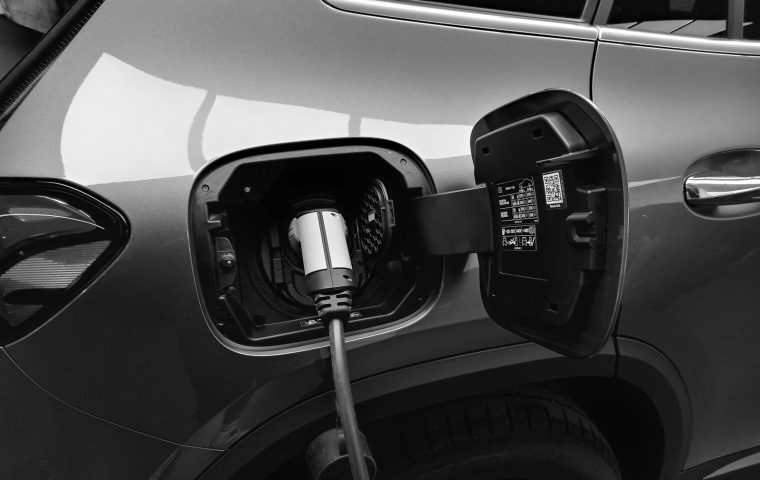
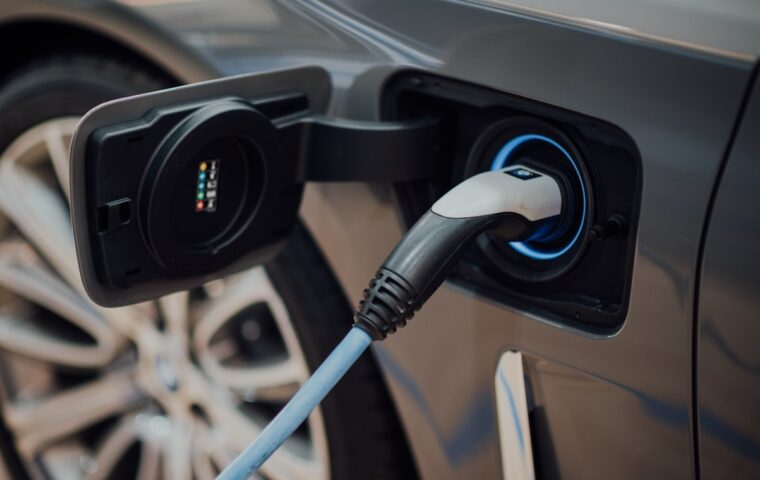
The reality is that the overwhelming majority of charging happens at home, overnight, while you sleep. You plug in the way you plug in a phone, and you wake up to a "full tank" every single morning. You stop thinking about fuel entirely.
Setting that up is simpler than people fear. A basic home charging install with a Level 2 wallbox usually means an electrician, a 240-volt circuit, and a few hours of work. After that, your "gas station" is your garage.
The public charging caveat
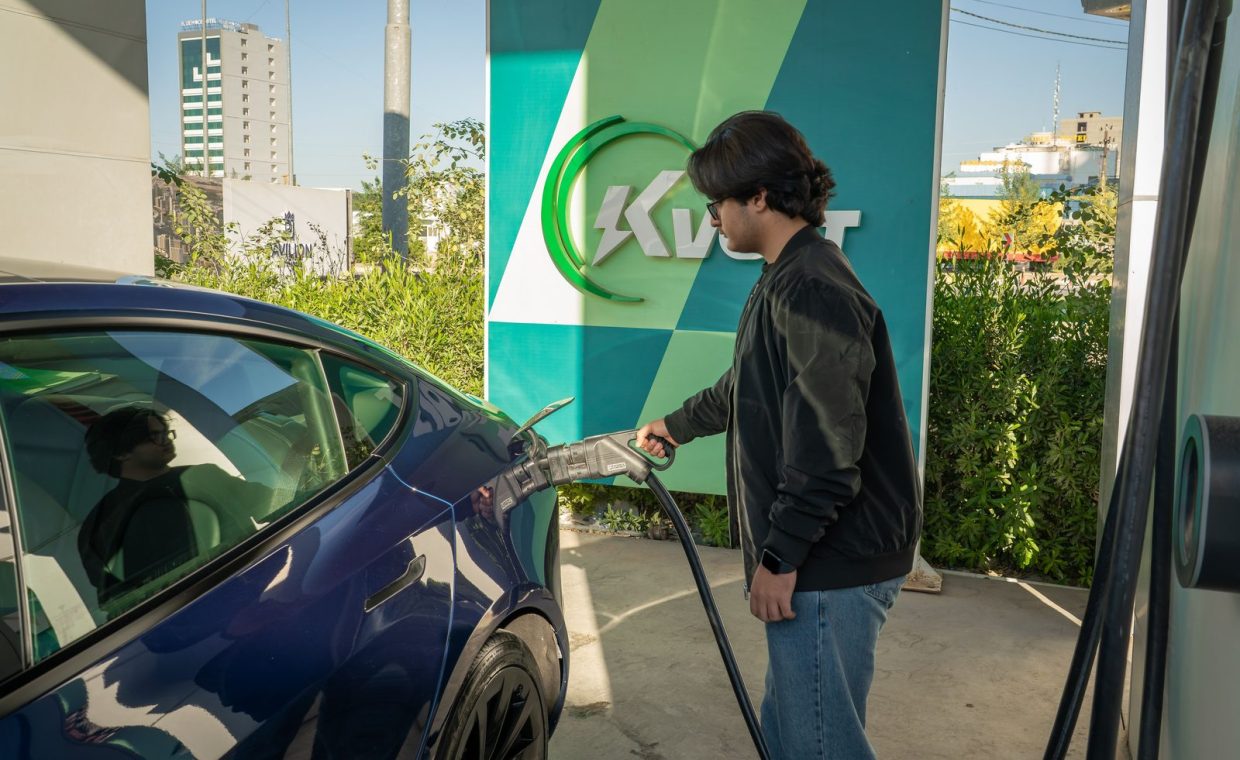
If you live in an apartment with no dedicated parking, this myth still stings, and I won't pretend otherwise. Public charging reliability varies wildly by region and network. But for anyone with a driveway or garage, the daily charging experience is genuinely easier than visiting a pump.
If you cannot charge where you sleep or where you work, an EV gets meaningfully harder to live with. Sort out your charging plan before you sign anything, not after.
EVs Are Worse for the Planet Than a Gas Car
This one is sneakier because it wears a lab coat. The argument goes that building a battery creates so much pollution that the EV is dirtier overall, especially if your local grid burns coal.
There is a kernel of fact buried in there. Manufacturing an EV, mostly the battery, does create more upfront emissions than building a comparable gas car. An EV starts its life with a carbon debt.
But it pays that debt back. Because an electric motor is far more efficient than burning fuel, the EV typically overtakes the gas car on total emissions somewhere in the first couple of years of driving, even on a fairly dirty grid. Cleaner grids make that break-even point arrive sooner.
The grid keeps getting cleaner
Here is the part the myth ignores. A gas car's emissions are locked in the day it leaves the factory. An EV gets cleaner every year as the grid adds more renewables, without you touching the car. The same vehicle pollutes less in year five than it did in year one.
Yes, the battery costs emissions up front. No, that does not erase the lifetime advantage. The EV spends years driving down its total footprint while the gas car keeps adding to its own.
They Are Slow, Boring Appliances With No Soul
This is the one that bugs the gearhead in me the most, because it is so backward. The stereotype is that EVs are silent, numb white-goods on wheels, the automotive equivalent of a dishwasher.
Then you floor one. An electric motor delivers maximum torque from zero rpm, which means instant, neck-snapping response with no waiting for revs to build. A modestly priced EV will embarrass a lot of sporty gas cars off the line, and it does it in eerie silence, which somehow makes it weirder and more addictive.
Handling can be sharp too, because the heavy battery sits low in the floor, dropping the center of gravity. The car feels planted in corners in a way a tall gas crossover never will. Different character, absolutely. Soulless, absolutely not.
What you actually trade away
Look, I get the romance of a snarling exhaust and a manual gearbox, and an EV gives those up completely. That is a real loss for enthusiasts, and I won't hand-wave it. But "no engine noise" is not the same as "no thrill." Drive one before you decide the soul is missing.
While we are clearing out stereotypes, the software side gets oversold in the opposite direction. Not every screen and subscription earns its keep, and I dug into which connected-car features actually pull their weight versus the ones that are pure marketing fluff.
Batteries last far longer than phones suggest. Range covers normal driving easily. Home charging beats the gas station. Lifetime emissions favor electric. And the driving experience is anything but boring. The fears are mostly outdated, not invented.
How long do EV batteries really last?
Most packs hold around 85 to 90 percent of their capacity past 100,000 miles, and warranties typically cover them for about 8 years or 100,000 miles. Full failures inside that window are rare, and out-of-warranty fixes increasingly target single modules instead of the whole pack.
Is an EV worth it if I cannot charge at home?
It gets harder. Home charging is what makes ownership feel effortless, so without a driveway, garage, or reliable workplace charging, you are leaning on public networks that vary in quality. Map out a realistic charging plan before you buy, not after.
Are electric cars actually fun to drive?
For most people, surprisingly yes. Instant torque off the line and a low center of gravity make even affordable EVs feel quick and planted. You trade engine noise and a manual gearbox for that, which enthusiasts may miss, but the performance itself is genuine.
Walt still has not test-driven one, and I have made peace with that. But if you are on the fence, do yourself a favor and ignore the secondhand fear. Borrow one for a weekend, charge it in your own garage, and feel the torque for yourself. The data is convincing, but a single drive usually does what no spreadsheet can.