
Marisol got blind-spot monitoring for the first time on a used crossover, and she did not expect to care about it. The car simply happened to have the option package, so she shrugged and took it. A month later she told me she could not believe how much she leaned on that little amber light, especially on her crowded morning merge, and how naked her old car would feel without it now.
Her reaction points at the question a lot of buyers ask when they are staring at a window sticker. Is blind-spot monitoring actually useful, or is it just another upsell dressed up as safety? The honest answer is that it depends on how and where you drive, and on what the feature is really doing under the sheet metal.
So let me walk through what this tech is, how it works, who genuinely gets value from it, and where the marketing oversells it.
What Blind-Spot Monitoring Actually Is
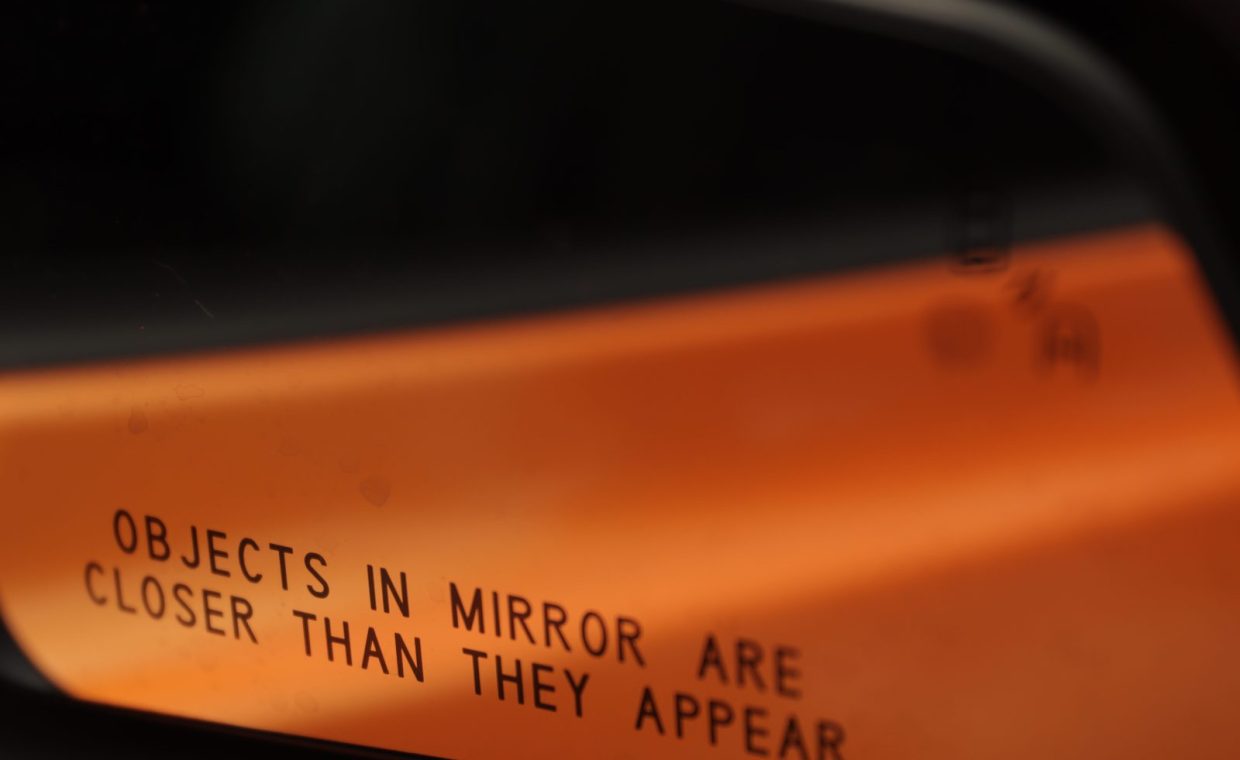
Blind-spot monitoring, often shortened to BSM, is a system that watches the areas beside and slightly behind your car that your mirrors do not cover well. When another vehicle is sitting in that zone, the car warns you, usually with a small amber light in or near the side mirror.
The classic example is the highway lane change. You glance at your mirror, it looks clear, you start to drift over, and there is a sedan tucked exactly where your mirror geometry hides it. With BSM, a little light has already lit up on that side, and many systems will chime or flash harder if you put your turn signal on while a car is there.
Blind-spot monitoring detects vehicles in the lanes next to you and alerts you. It does not steer for you. That is a separate, more advanced feature called blind-spot intervention or lane-keeping assist.
One common myth worth clearing up early: BSM does not eliminate your blind spot. It tells you something is in it. You still need to turn your head. Think of it as a second opinion, not a replacement for your own eyes.
How The Sensors See What You Cannot
Most blind-spot systems use small radar units, usually tucked behind the rear bumper on each corner. Radar sends out a radio signal, measures what bounces back, and figures out whether an object is there, how far away it is, and how fast it is closing in.
Radar is the workhorse here because it does not care much about darkness, rain, or fog. A camera-only setup can get confused by a low sun or a grimy lens, but a bumper radar keeps working in weather that would blind a person. Some systems blend radar with cameras for extra confidence, but the radar is doing the heavy lifting.
Here is a concrete picture. You are doing 65 on the interstate and a pickup is gaining on you in the next lane. The corner radar tracks it approaching, decides it will be alongside you shortly, and lights your mirror before the truck even fully enters your blind spot. That predictive bit is the part people underrate.
The software running these sensors gets refined over time, and on many newer cars it can improve through software updates pushed to the car wirelessly. So the system you buy today may behave a little smarter a year from now without a trip to the dealer.
The Features That Often Come Bundled
Here is where the value question gets interesting. Blind-spot monitoring rarely shows up alone. It usually arrives as part of a sensor suite, because once you have paid for those corner radars, the carmaker can offer a handful of related tricks at little extra cost.
The most useful companion is rear cross-traffic alert. When you are backing out of a parking spot with cars blocking your view on both sides, the same radars watch for traffic crossing behind you and warn you before you reverse into it. If you park in busy lots, this one alone can be worth the package.
| Feature | What it does | Who benefits most |
|---|---|---|
| Blind-spot monitoring | Warns of cars beside you | Highway and multi-lane commuters |
| Rear cross-traffic alert | Warns of traffic when reversing | People who park in tight, busy lots |
| Blind-spot intervention | Nudges the car back if you drift toward a vehicle | Long-distance and tired drivers |
A myth I hear a lot: that these systems make you a lazy driver. In practice, the people who lean on them most are often the most cautious ones, the drivers who already check twice and just want a backstop. The feature rewards good habits rather than replacing them. If you want a broader sense of which assistance features earn their keep, I have written more on the driver-assist features that genuinely reduce risk.
Who Genuinely Benefits From Paying Extra
This is the heart of the matter, so let me be direct about it. Blind-spot monitoring is worth more to some drivers than others, and the price gap should be weighed against your actual routine.
You probably get strong value if any of these describe you:
- You commute on multi-lane highways or busy freeways most days.
- You drive a vehicle with thick rear pillars or small rear windows, like many SUVs and coupes, where blind spots are physically larger.
- You have neck or mobility issues that make the full head-check uncomfortable.
- You frequently park in crowded lots where backing out is a guessing game.
You probably get less value if you mostly drive on quiet two-lane roads, rarely change lanes in traffic, and have a car with great rearward visibility. The tech still works, but you may simply not encounter the situations it is built for very often.
On a test drive, ask the salesperson to let you do a few highway lane changes with BSM active. Notice how often the light catches a car you would have missed. If it lights up a lot on a short drive, that is your answer.
There is also a long-trip angle people forget. On a marathon drive, fatigue dulls your habit of looking over your shoulder. Whether you are road-tripping in a gas car or carefully planning a long electric-vehicle journey around charging stops, a system that flags a car you missed at hour seven is doing real work right when your attention is thinnest.
The Limits Nobody Mentions In The Brochure
I want to be fair to the skeptics, because BSM is not magic and the marketing tends to skip the caveats.
Fast-approaching motorcycles or cyclists can sometimes slip through, since they are smaller radar targets. A bumper caked in slush, mud, or ice can briefly dull the sensors, and the car will usually tell you the system is degraded when that happens. And the light only helps if you are actually glancing at your mirror, which loops back to the same point: it assists, it does not replace.
A blind-spot light that fails to come on is not a guarantee the lane is empty. Sensors can miss small or fast objects. The shoulder check stays part of your routine, every single time.
There is also a repair-cost wrinkle. Those corner radars live in the bumper, so a fender bender that crushes a corner can mean recalibrating or replacing a sensor, which costs more than old-fashioned bodywork. Worth knowing, not worth losing sleep over.
So Is The Option Package Worth It?
For most buyers shopping a modern crossover, sedan, or SUV, I think it usually is, and here is my plain reasoning.
The feature rarely costs as much in isolation as people fear, because it typically arrives bundled with rear cross-traffic alert and other genuinely handy aids. Spread across years of ownership, a few hundred dollars for a system that quietly catches the one car you would have sideswiped is cheap insurance. And blind-spot hardware tends to help resale, since the next buyer wants it too.
The case for skipping it is narrow but real. If you drive almost entirely on open rural roads, your car already has excellent visibility, and the package forces you into a much pricier trim you do not otherwise want, then the math can tip the other way.
If you change lanes in traffic regularly or park in busy lots, blind-spot monitoring is one of the few safety options I would actively pay for. If your driving is mostly quiet and open, it is a nice-to-have you can live without.
Does blind-spot monitoring work at night and in bad weather?
Yes, for the most part. Because the core sensors are radar rather than cameras, they keep working in darkness, rain, and fog. Heavy mud, snow, or ice packed onto the bumper can temporarily reduce performance, and the car will usually warn you when that happens.
Can I add blind-spot monitoring to a car that did not come with it?
You can. There are aftermarket kits with stick-on radar sensors and mirror lights, and they range from cheap and basic to fairly polished. Factory-integrated systems generally perform better and look cleaner, so if the feature matters to you, it is often smoother to buy it built in.
Will the system steer the car for me?
Plain blind-spot monitoring only warns you with a light and sometimes a sound. Steering or braking on your behalf is a separate, more advanced feature called blind-spot intervention, which not every car offers. Check the spec sheet carefully, because the names get blurry.
Treat blind-spot monitoring as a backstop, not a chauffeur. Match it to how you actually drive, test it on the lot before you sign, and keep checking over your shoulder regardless. Marisol, for what it is worth, now refuses to shop for a car that does not have it. Next time you are on a test drive, watch that mirror light for a few lane changes and let your own eyes decide.