
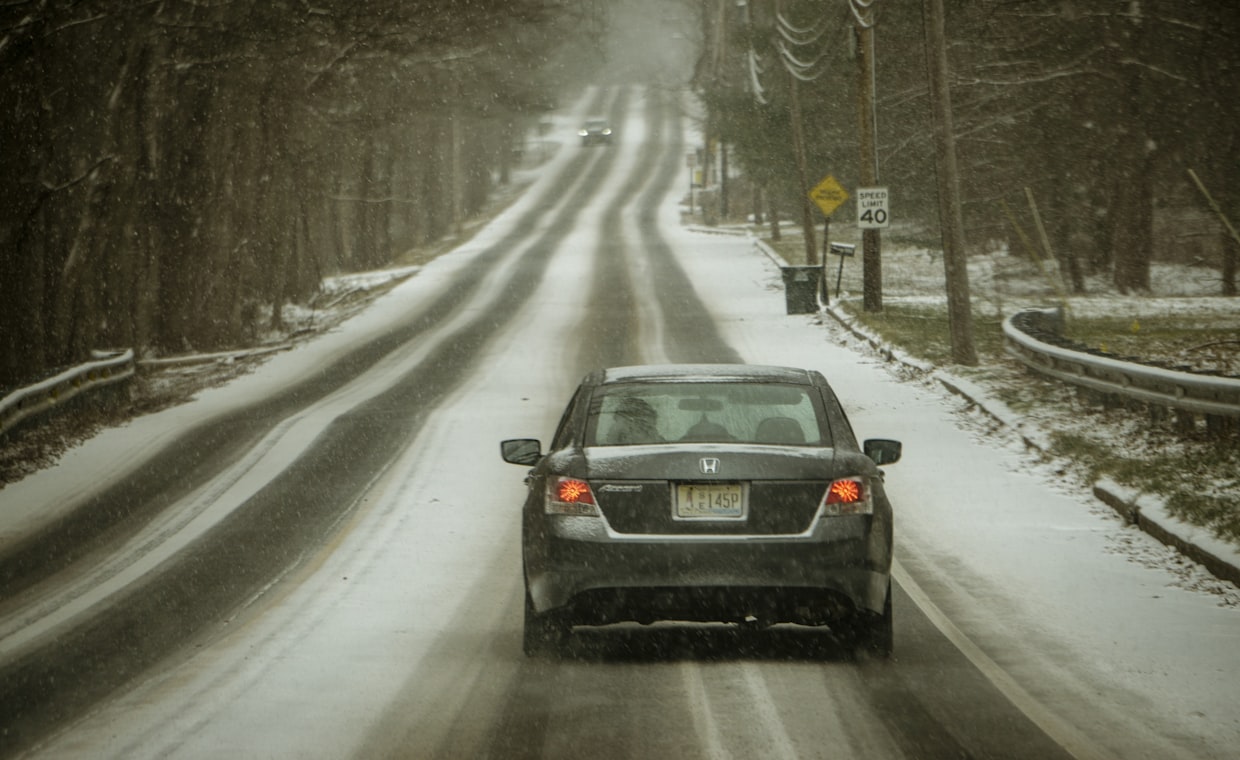
A few winters back I watched a brand new sports sedan slide gently into a curb at maybe 8 mph. The driver had done nothing wrong, really. He braked early, he was gentle, he was careful. The problem was four summer tires trying to grip a road that was 28 degrees and dusted with frost.
Those same tires, six months earlier, had felt glued to a mountain pass. Warm asphalt, dry corners, and they were spectacular. Same rubber, same car, completely different outcome. That gap is the whole story of this comparison.
People argue about tire types like there is one right answer. There is not. The winner depends on where you live, what the thermometer says most mornings, and how honest you are about the driving you actually do versus the driving you imagine.
Why Temperature Decides Almost Everything
Tires are chemistry before they are anything else. The rubber compound is tuned to stay grippy inside a certain temperature window, and outside that window the material either turns hard and glassy or soft and vague.
The rough dividing line most engineers use is around 45 degrees Fahrenheit. Above it, summer compounds shine and stay pliable. Below it, they stiffen and lose their bite, which is exactly what happened to that sedan at the curb.
Tread pattern matters too, but compound is the part people forget. You can have aggressive-looking tread and still slide if the rubber has gone cold and hard. Keep that 45-degree number in your head, because it explains most of the trade-offs below.
Summer Tires: The Sharpest Tool
Drive a good set of summer tires on a warm, dry back road and you understand instantly why people pay for them. The steering gets crisp, the front end bites the moment you turn in, and braking distances shrink in a way you can feel through the pedal.
They also do well in warm rain. The compound stays flexible and the tread is designed to clear water at speed, so a summer downpour is not the enemy people assume it is.
The catch is the cold. As temperatures drop toward freezing, summer tires lose grip fast, and on ice or snow they are genuinely unsafe. If you are chasing outright grip for spirited driving, this is where I would point you toward how to choose performance tires grip without overpaying for numbers you will never use on the street.
Drivers in warm or mild climates, or enthusiasts who keep a separate winter set. If your coldest month rarely dips below 45 degrees, summer rubber rewards you every drive.
All-Season Tires: The Sensible Compromise
All-season tires are the default on most cars sold in America, and that is not an accident. They are built to be fine in a wide range of conditions rather than brilliant in any single one.
Warm and dry, they grip well enough that most drivers never feel they are missing anything. Light rain, no drama. A dusting of snow on the morning commute, usually manageable if you slow down and give yourself room.
Where they fall short is the extremes. Push them on a hot track day and they get greasy and vague. Ask them to handle a real snowstorm or a sheet of ice and they are outclassed by a proper winter tire. They are a jack of all trades, and the old saying applies.
Winter Tires: Cold-Weather Insurance
The first time you drive real winter tires on snow, it feels like cheating. The car pulls away from a stop without scrabbling, it stops when you ask, and it turns instead of plowing straight ahead.
Two things make that happen. The compound stays soft in the cold so it can conform to the surface, and the tread is carved with tiny slits called sipes that grab snow and bite into ice. Snow actually grips snow, so those packed edges work in your favor.
The trade-off shows up in summer. On warm, dry pavement winter tires feel squishy and wear quickly, and braking is noticeably longer. They are the right tool for four or five months, then the wrong one for the rest of the year.
The Straight Comparison
Numbers make the trade-offs concrete. The figures below are illustrative and rounded, meant to show relative behavior rather than exact test results, since real performance varies by brand and specific model.
| Category | Summer | All-Season | Winter |
|---|---|---|---|
| Warm dry grip | Excellent | Good | Fair |
| Warm wet grip | Excellent | Good | Fair |
| Cold dry grip | Poor | Fair | Excellent |
| Snow and ice | Unsafe | Marginal | Excellent |
| Tread life | Shorter | Longest | Shorter |
| Rough price per tire | $130-$300 | $100-$220 | $120-$280 |
| Best months | Warm season | Year round, mild | Cold season |
Read that grid honestly and the pattern is clear. No column wins every row. All-season is the safest default for a mild climate, summer wins the warm-weather grip fight, and winter owns the cold.
Does Two Sets Actually Save Money?
Running summer and winter tires on separate wheels sounds expensive, and up front it is. You buy eight tires instead of four, plus a second set of rims if you want quick seasonal swaps.
The math is less lopsided than it looks, though. Each set only wears during its own season, so both last far longer in calendar years. You are not burning summer rubber on frozen roads or grinding soft winter tread into hot July asphalt.
Add safety into the equation and the picture shifts further. One avoided winter fender-bender can cover the price difference on its own. If you go this route, protect that investment by learning to rotate tires make them last, because even seasonal sets wear unevenly without a rotation habit.
Matching Tires to How You Actually Drive
Tires do not work in isolation. The way a car puts its grip down depends on the whole setup, from spring rates to alignment, which is why two cars on identical rubber can feel worlds apart.
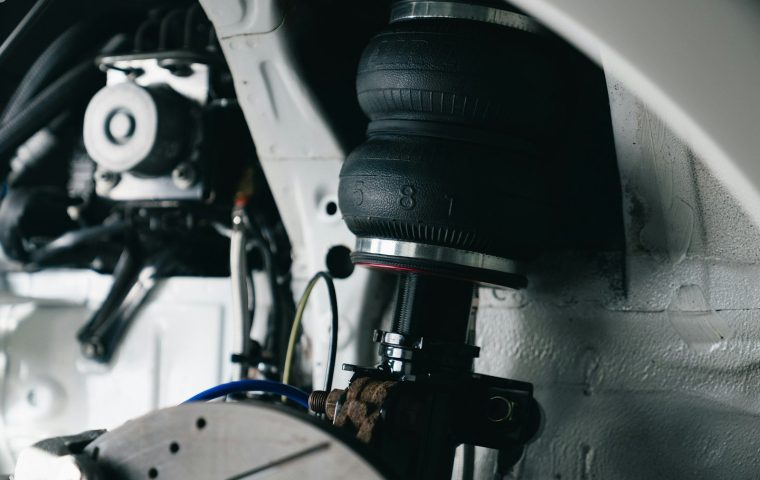
If you are chasing sharper handling, tires are only the first lever. The next steps live in your suspension tire upgrades cornering plan, where damping, geometry, and tire choice have to agree with each other rather than fight.
For most drivers, though, the honest answer is simpler than the enthusiast forums make it sound. Buy for your coldest months, not your best day, and you will almost never regret it.
Can I just run winter tires all year to keep things simple?
You can, but you pay for it. Winter tires wear quickly on warm pavement, braking distances grow, and the car feels vague in summer corners. Simple, yes, but expensive and less safe once the roads warm up.
Are all-season and all-weather tires the same thing?
Not quite. All-weather tires carry the three-peak snowflake symbol and handle real snow better than a standard all-season. They are a middle ground for drivers who see occasional snow but do not want two separate sets.
How do I know when any of these tires are worn out?
Check tread depth with a quarter. If you can see the top of Washington's head, you are down near the safety limit and grip drops off sharply, especially in the wet. Uneven wear across the tread also signals alignment or rotation problems worth fixing.
So which one actually wins? The tire that matches the road under you right now. In a warm climate, summer or a solid all-season carries the year. In snow country, nothing touches a real winter set once the temperature drops. Pick for your worst mornings, not your best afternoons, and let the calendar make the call.