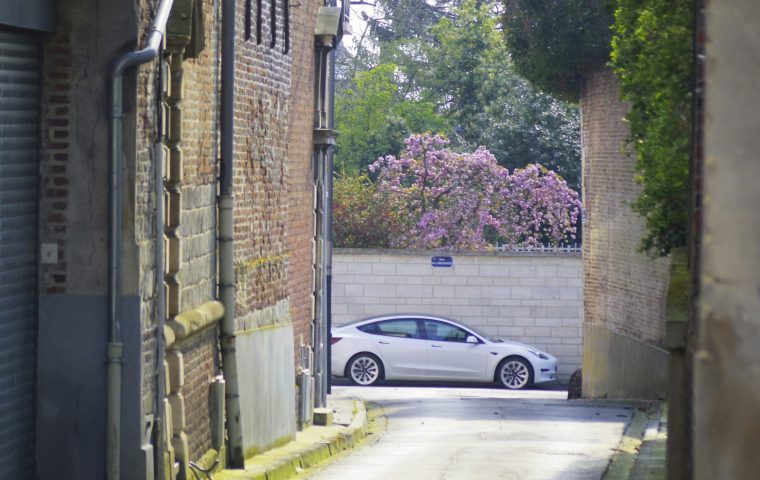

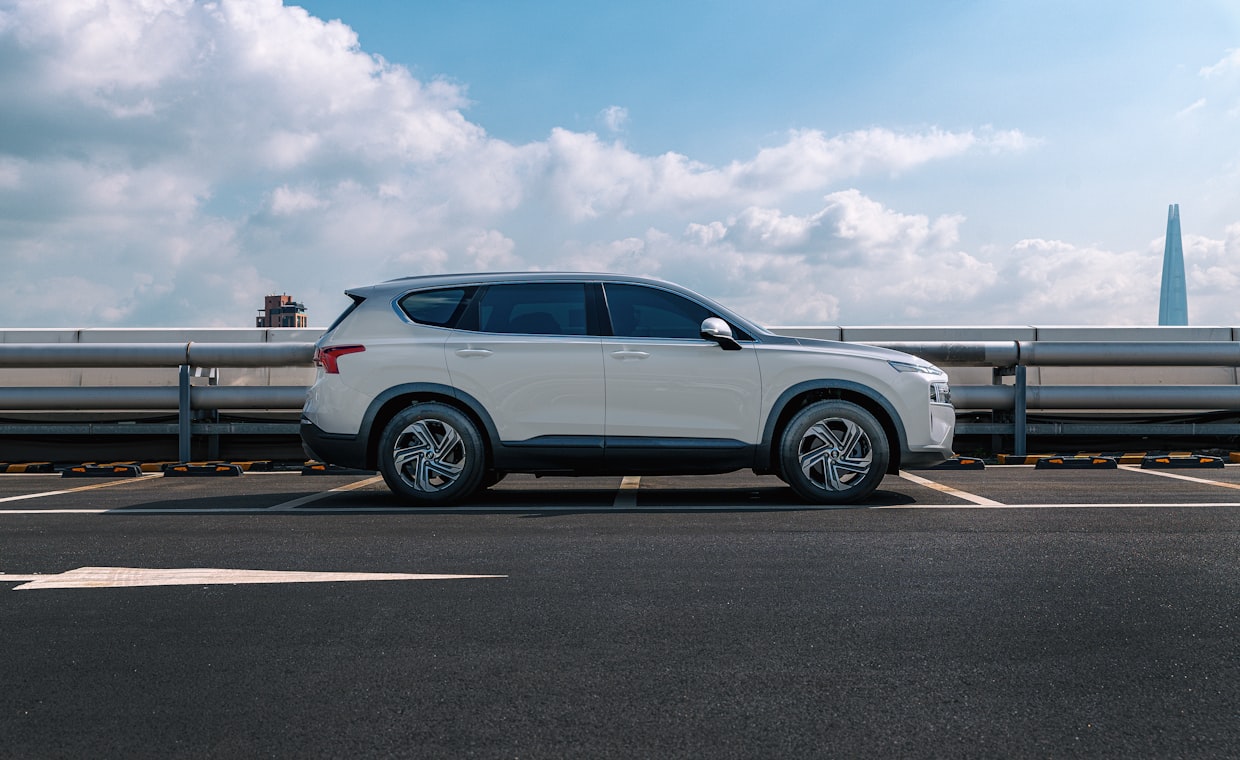
Pull into any grocery store lot in America and start counting silver crossovers. Odds are good one in every handful is a Toyota RAV4. It has been the best selling non-truck in the country for years, and the 2024 version arrives without a full redesign, just quiet tweaks and the same familiar shape.
I spent a week living with one, running the usual errands, a long highway slog, and a gravel road most owners will never touch. My goal was simple. Figure out whether the RAV4 earns its crown through real merit, or just habit and a badge people trust.
Short answer: it earns most of it. But the field has closed in, and a few rivals now do specific things better. Here is the honest read after seven days behind the wheel.
What It Feels Like to Actually Drive
Nobody buys a RAV4 for thrills, and Toyota knows it. The steering is light and a little numb, tuned for parking lots rather than back roads. That is fine for the mission.
The base 2.5-liter four-cylinder does the job without drama. It gets loud when you push it toward a highway merge, and the eight-speed automatic hesitates a beat before finding the right gear. You learn to plan your passing.
Ride quality is where it wins daily. Bumps and expansion joints get soaked up nicely, and the cabin stays composed on rough pavement. It never feels floaty, and it never beats you up. For a commute and a school run, that balance matters more than a quick zero to sixty.
If you test drive one, take it on a real highway, not just around the block. The gas model's engine noise under hard acceleration is the single thing most buyers wish they had noticed sooner.
The Hybrid Is the One to Get
Here is my strongest opinion after the week. If you are shopping a RAV4, skip past the standard gas engine and go straight to the hybrid.
The hybrid pairs the four-cylinder with electric motors, and it is both quicker and more efficient than the gas-only version. It feels more relaxed off the line because the electric torque fills in that low-speed gap. You get real thrust without the engine screaming.
Fuel economy is the headline. The hybrid comfortably returns low 40s in mixed driving, which is excellent for a roomy all-wheel-drive crossover. Over a year of commuting, that gap pays for the modest price bump and then keeps paying.
There is also the plug-in RAV4 Prime, which adds meaningful electric-only range for short trips. It costs more and can be hard to find, but for a household with a short commute and a garage outlet, it makes a strong case. In our roundup of the best compact suvs ranked value, the RAV4 hybrid lands near the top for a reason.
Inside: Practical, Rugged, a Little Plain
The cabin is built to survive family life. Hard-wearing plastics and big physical buttons for climate and volume mean you are not stabbing at a screen to turn down the heat. I appreciate that more every year as rivals bury controls in menus.
Space is a real strength. Rear-seat legroom is generous, the seats sit high for an easy step-in, and the cargo area swallows a Costco run without complaint. The rear seats fold nearly flat for bigger loads.
Material quality is the soft spot. Look closely and there is a lot of gray plastic, and the design feels more utilitarian than warm. A Mazda cabin makes the Toyota look a generation behind on style.
Tech and Safety You Get Standard
Toyota's infotainment took a big step forward in recent years. The current system is quicker to respond, the graphics are cleaner, and wireless Apple CarPlay and Android Auto come standard. The base 8-inch screen is fine, and the larger optional display is worth having if you use the built-in navigation.
Every RAV4 comes with Toyota Safety Sense as standard equipment. That means adaptive cruise control, lane keeping, automatic emergency braking, and road-sign reading, no matter which trim you pick. Some rivals still charge extra for pieces of it.
The systems work smoothly in daily use. The adaptive cruise holds a natural following distance, and the lane centering does not ping-pong between the lines the way some cheaper setups do.
How It Stacks Up on Cost
Price is where the RAV4 story gets interesting, because Toyota rarely discounts and resale value stays high. You pay closer to sticker up front, but you get more of it back at trade-in time. That math favors buyers who keep cars a while.
Here is a rough look at how the RAV4 sits against two strong rivals on the numbers that hit your wallet. Figures are illustrative and vary by region, trim, and the deal you negotiate.
| Factor | 2024 Toyota RAV4 | Honda CR-V | Hyundai Tucson |
|---|---|---|---|
| Starting price range | Upper 20s | Low 30s | Upper 20s |
| Hybrid mixed mpg | Around low 40s | Around 40 | Upper 30s |
| Resale strength | Excellent | Very good | Good |
| Warranty | 3 yr / 36k | 3 yr / 36k | 5 yr / 60k |
| Cabin polish | Functional | Refined | Upscale feel |
The RAV4 rarely wins any single category outright, yet it stays near the top of every one. That consistency is the whole pitch.
Where the Rivals Fight Back
The compact SUV class is loaded right now, and pretending the RAV4 has no weaknesses would be dishonest. A few competitors beat it in specific ways.
The Honda CR-V drives with more polish and has a roomier, more grown-up cabin, which is why the mazda cx5 vs honda crv comparison keeps pulling shoppers who care about how a car feels from the driver's seat.
Then there is Hyundai. The Tucson undercuts the Toyota on features per dollar and backs it with a longer warranty. Our full hyundai tucson review value contender breaks down where it edges ahead, especially on standard tech and cabin design.
Who Should Buy the RAV4
If you want a vehicle that starts every morning, holds its value, sips fuel in hybrid form, and asks almost nothing of you, the RAV4 is close to a default answer.
If you want a cabin that feels special, sharper handling, or the most equipment for your money, go drive the Honda, Mazda, and Hyundai first. For a lot of Americans, though, the boring virtues win. A car that just works, year after year, is worth more than a spec sheet on paper.
Is the RAV4 hybrid worth the extra cost over the gas model?
For most buyers, yes. The hybrid is quicker, quieter off the line, and returns meaningfully better fuel economy, so the modest price bump usually pays back within a few years of normal commuting.
Which RAV4 trim gives the best value?
The XLE Premium is the sweet spot. It adds the features most people actually want, like a power liftgate and blind-spot monitoring, without the steep jump to the Limited or Prime trims.
Is the 2024 RAV4 reliable?
Reliability remains its strongest card. Toyota's track record with this platform is excellent, and both the gas and hybrid powertrains have a long history of holding up well past 150,000 miles with basic maintenance.
After a week of errands, highway miles, and one pointless gravel detour, the RAV4 left me with the impression it leaves most people. It is not the car you brag about. It is the car you stop thinking about, because it just handles the job. That quiet competence keeps it firmly in the conversation. Go drive its rivals, then drive this, and let your own gut make the call.